How Energy Drinks Impact Sleep Architecture and Alertness Recovery
You have likely reached for a tall, brightly coloured can when the afternoon slump hits or a long night looms ahead. These energy drinks promise mental clarity and physical stamina, often powered by a potent mix of synthetic caffeine, guarana, and taurine. While they may help you push through the next few hours, the biological cost of delaying rest is significant. When you force your body to stay awake for extended periods, you are not just skipping rest; you are actively blocking the adenosine receptors in your brain that signal the need for sleep. This creates a physiological debt that can take days to repay. This article explores how these ingredients interact with your central nervous system to mask fatigue rather than resolve it. You will learn how guarana provides a sustained release of stimulants that can linger in your system far longer than a standard coffee, and how taurine may influence your metabolic state. By understanding the chemical impact of these beverages, you can make more informed choices about managing your energy levels without compromising your long term sleep health. If you are struggling to stay awake, it is time to look at what is happening inside your cells during those forty eight hours of forced alertness.
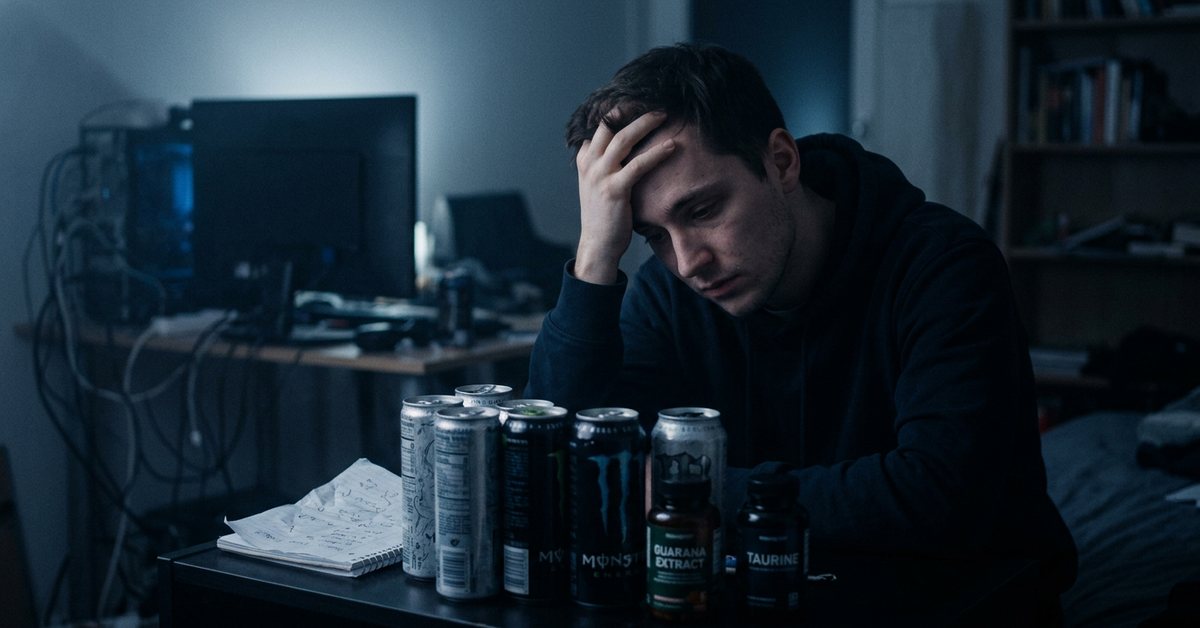
The anatomy of an energy drink
Energy drinks are more than just sugary sodas with a caffeine boost. They are complex chemical cocktails designed to stimulate the central nervous system and delay the onset of fatigue. While caffeine is the primary driver, these drinks often contain a variety of secondary stimulants and amino acids that modify how the body processes that caffeine. For many people, the goal is to bridge a gap in productivity or survive a double shift, but the internal result is a profound disruption of the body's natural drive to rest.
The concentration of caffeine in these beverages is often significantly higher than what is found in a standard cup of tea or instant coffee. Furthermore, the presence of large amounts of sugar or artificial sweeteners can trigger a rapid spike in blood glucose. This provides a short-term burst of fuel for the brain, but it is frequently followed by a sharp decline, leading to a cycle of consumption that can keep a person awake for forty eight hours or more. This cycle prevents the body from entering the restorative phases of sleep that are essential for cognitive function and emotional regulation.
Guarana and the slow release stimulant
Guarana is a seed extract from the Amazon basin that contains a high concentration of caffeine, often called guaranine. What makes guarana particularly potent in the context of sleep deprivation is its physical structure. The caffeine in guarana is bound to tannins and fibre, which means the body breaks it down more slowly than the synthetic caffeine anhydrous found in traditional soft drinks. This results in a prolonged stimulatory effect that can last for many hours after the initial consumption.
For someone trying to stay awake for two days, guarana acts as a time-release mechanism. It ensures that the central nervous system remains in a state of high arousal, preventing the natural transition into sleepiness. However, this also means that when you finally do try to sleep, your blood levels of stimulants may still be high enough to prevent your brain from entering deep, slow-wave sleep. This is why you might feel exhausted but find your mind racing the moment your head hits the pillow.
The role of taurine and metabolic stress
Taurine is an amino acid that occurs naturally in the body and is often included in energy drinks under the claim that it improves athletic performance and mental focus. While taurine itself has some inhibitory effects on the nervous system, research suggests that when combined with high doses of caffeine, it may alter how the heart and brain respond to stress. This combination can lead to an increased heart rate and higher blood pressure, further pushing the body away from the calm state required for sleep.
When you go forty eight hours without sleep, your body enters a state of significant metabolic stress. The addition of taurine and high-dose stimulants can mask the physical symptoms of this stress, such as muscle tremors and cognitive slowing. This masking effect is dangerous because it leads the individual to believe they are functioning better than they actually are. In reality, the brain is struggling to maintain basic executive functions, and the lack of rest is causing micro-sleeps that the individual may not even be aware of.
Biological mechanisms of forced wakefulness
The primary biological driver of sleep is the accumulation of adenosine in the brain. From the moment you wake up, adenosine levels rise, eventually binding to receptors that signal it is time to rest. Caffeine and guarana work by acting as adenosine receptor antagonists. They essentially plug the holes where adenosine should go, preventing the brain from receiving the tired signal. After forty eight hours, the pressure for sleep is immense, but the chemical blocks provided by energy drinks keep the system in a state of false alertness.
This prolonged wakefulness also disrupts the circadian rhythm, which is governed by the hormone melatonin and the stress hormone cortisol. Normally, cortisol levels peak in the morning to wake you up and decline throughout the day, while melatonin rises in the evening. Energy drinks keep cortisol levels artificially elevated and suppress melatonin production. This imbalance affects your core body temperature, which needs to drop for sleep to occur. Instead, your body remains in a thermogenic, high-alert state that is fundamentally incompatible with restorative rest.
What the scientific research shows
Studies have consistently shown that the consumption of energy drinks significantly alters sleep architecture. Research indicates that even if a person manages to fall asleep after consuming these drinks, their time spent in deep NREM sleep and REM sleep is greatly reduced. This leads to a phenomenon where you might sleep for ten hours after a period of deprivation but still wake up feeling unrefreshed because the quality of that sleep was chemically compromised.
Furthermore, longitudinal studies have highlighted the risks of using energy drinks to manage long-term sleep debt. The reliance on these substances can lead to a chronic state of insomnia where the body loses its ability to self-regulate its sleep-wake cycle. Clinical evidence suggests that the high caffeine content in these beverages has a half-life of roughly five to six hours, meaning that a drink consumed in the afternoon is still actively affecting your brain chemistry at midnight.
Impact on sleep architecture and recovery
Sleep architecture refers to the cyclical pattern of sleep stages we move through during the night. A healthy night consists of several cycles of light sleep, deep sleep, and REM sleep. Energy drinks interfere with this pattern by lengthening the time it takes to fall asleep, known as sleep latency, and by causing frequent awakenings throughout the night. Even if you are unaware of these micro-awakenings, they fragment your sleep and prevent the brain from performing essential maintenance tasks like toxin clearance and memory consolidation.
When you have been awake for forty eight hours, your brain is desperate for recovery sleep. However, the presence of guarana and taurine can cause your first few hours of recovery sleep to be restless. Instead of falling immediately into the deep sleep your body requires, you may hover in the lighter stages of sleep. This delay in recovery means that the cognitive deficits caused by sleep deprivation—such as poor decision-making and slow reaction times—persist much longer than they would if the caffeine were not present.
What to do instead
If you find yourself in a position where you must stay awake, there are safer ways to manage your energy than relying on high-potency energy drinks. Hydration is key; often, the fatigue we feel is exacerbated by dehydration, which energy drinks can actually worsen due to their diuretic effects. Drinking small amounts of water frequently can help maintain blood volume and oxygen delivery to the brain without the jittery side effects of stimulants.
Instead of one large energy drink, consider smaller, more frequent doses of standard caffeine if absolutely necessary, and try to stop all intake at least eight hours before you intend to finally sleep. Utilising bright light exposure during the times you need to be awake and ensuring total darkness when you are ready to rest can also help guide your circadian rhythm back into balance. Taking short twenty minute power naps, if the situation allows, is far more effective for cognitive recovery than a chemical stimulant.
A note on persistent insomnia
While understanding the impact of energy drinks is a vital step in improving your sleep, it is only one piece of the puzzle. Chronic sleep issues are often complex and can be linked to underlying health conditions or psychological factors that require professional intervention. Relying on stimulants to bypass the body's need for rest is a short-term fix that can lead to long-term health complications.
If you find that you cannot sleep even when you have stopped consuming energy drinks, or if you feel a compulsive need to use stimulants just to function during the day, it is important to seek professional help. Persistent insomnia or a total inability to maintain a regular sleep schedule should be discussed with a doctor or a sleep specialist to ensure there are no serious health concerns at play.
What to try tonight
- 01Stop all energy drink consumption at least eight to ten hours before your planned sleep time.
- 02Replace high-sugar energy drinks with water to stay hydrated and reduce metabolic stress.
- 03Use short twenty minute naps instead of extra caffeine to manage extreme fatigue.
- 04Expose yourself to bright natural light during the day to help reset your internal clock.
- 05Consult a clinician if you suffer from persistent insomnia or regular sleep deprivation.
Research and references
- 1. Seifert et al. (2011). Health Effects of Energy Drinks on Children, Adolescents, and Young Adults. Pediatrics.
- 2. Smit et al. (2004). Methylxanthines are the psycho-pharmacologically active constituents of chocolate. Psychopharmacology.
- 3. Alsunni (2015). Energy Drink Consumption: Beneficial and Adverse Health Effects. International Journal of Health Sciences.
- 4. Ruxton (2008). The impact of caffeine on mood, cognitive function, performance and hydration: a review of benefits and risks. Nutrition Bulletin.
This page is general information, not medical advice. If sleeplessness persists for more than a few weeks, please speak with a doctor or a sleep clinician.