01 / Reason 1 of 40Caffeine & Drinks6 min read

The Science of Why Caffeine Prevents You From Falling Asleep

You know the feeling of lying in bed with a racing heart, staring at the ceiling while your mind refuses to switch off. Even if you only had one cup of coffee in the afternoon, the chemical remnants are likely still active within your nervous system. Caffeine is a powerful stimulant that works by highjacking your brain chemistry, specifically by blocking the very molecule that signals your body is tired. By masquerading as a natural compound called adenosine, caffeine prevents your internal pressure to sleep from building up. This leads to a state of hyperarousal that can delay your sleep onset for hours and reduce the quality of your deep rest. Understanding the biological half-life of this substance is crucial for reclaiming your nights. In this article, we explore how caffeine alters your core body temperature, disrupts your melatonin production, and fragments your sleep architecture. By learning how your liver processes this stimulant and how it interacts with your central nervous system, you can make informed decisions about your beverage timing and finally bridge the gap between being tired and actually falling asleep tonight.
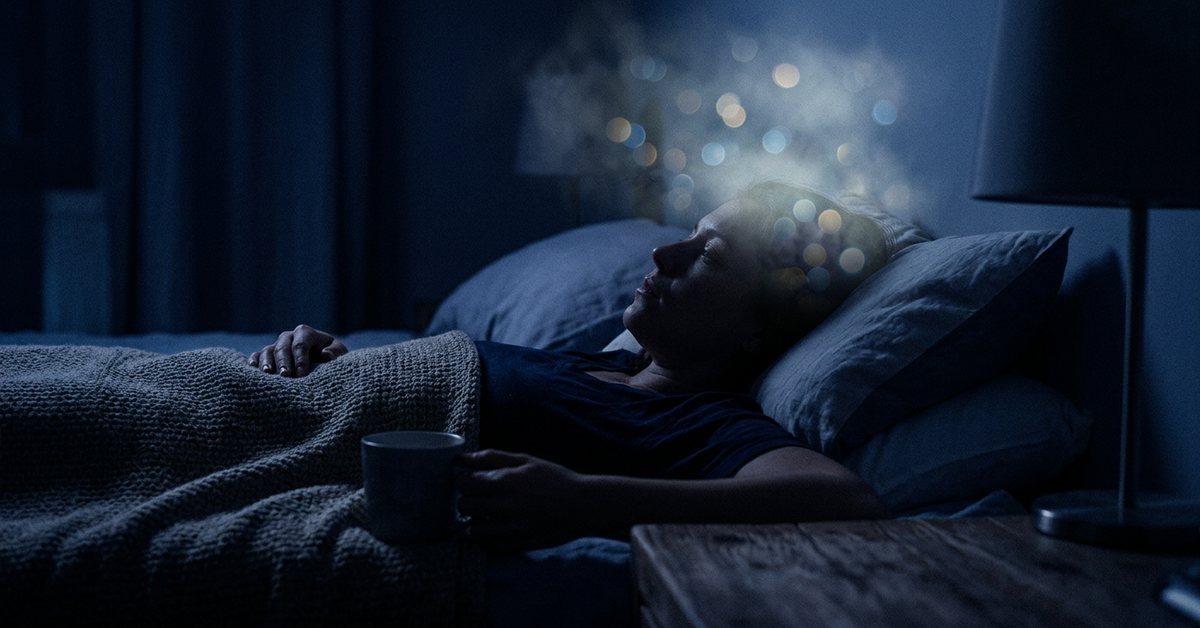
How caffeine stops your brain from falling asleep - photographed for the Why Can't I Sleep guide. Images and Photos created by www.why-cant-sleep.com
How caffeine stops your brain from falling asleep. Images and Photos created by www.why-cant-sleep.com
Share this photoEmailSMS

The Great Imposter: Adenosine and Caffeine

To understand why caffeine keeps you awake, you must first understand a molecule called adenosine. From the moment you wake up, adenosine levels gradually build up in your brain. This is known as sleep pressure. The longer you stay awake, the more adenosine accumulates, eventually binding to specific receptors that tell your nervous system it is time to slow down and prepare for rest. This is a fundamental biological drive that ensures you get the recovery your body requires after a day of activity.

Caffeine acts as a competitive antagonist to these adenosine receptors. Because caffeine has a similar molecular structure to adenosine, it can plug into these receptors without activating them. Effectively, caffeine acts like a mute button for your brain's tiredness signals. While your body is still producing adenosine and is technically exhausted, your brain cannot perceive the signal. This creates a false sense of alertness that masks your underlying need for sleep, leading to a significant delay in your ability to drift off once you finally climb into bed.

The Biological Impact on Sleep Architecture

Caffeine does more than just delay the onset of sleep; it fundamentally alters the quality of the sleep you managed to get. When you have high levels of stimulants in your bloodstream, your sleep architecture becomes fragmented. You spend less time in deep, slow-wave sleep, which is the stage responsible for physical restoration and memory consolidation. Instead, your brain tends to hover in the lighter stages of sleep, making you more susceptible to waking up from minor environmental noises or internal shifts.

Furthermore, caffeine interferes with the natural drop in core body temperature required for sleep. Normally, your body cools down by about one degree Celsius as you prepare for rest. Caffeine increases metabolic rate and can cause slight vasoconstriction, which may prevent this cooling process. When your core temperature remains high, your brain receives a signal that it is still daytime, further disrupting the circadian rhythm and making the transition into deep sleep much more difficult for your system to manage.

Hormonal Disruptions: Cortisol and Melatonin

The consumption of caffeine triggers the release of adrenaline and cortisol from the adrenal glands. Cortisol is often referred to as the stress hormone, and its primary role is to keep you alert and ready for action. While this is helpful during a morning meeting, an elevated cortisol level at 10 PM is catastrophic for sleep. This hormonal surge puts your body in a state of fight or flight, increasing your heart rate and blood pressure at the exact moment they should be declining.

Research also suggests that caffeine can suppress the secretion of melatonin, the hormone responsible for regulating your sleep-wake cycle. Melatonin is usually released by the pineal gland as darkness falls, signalling to the body that the window for sleep has opened. By delaying this hormonal release, caffeine effectively pushes back your entire biological clock. This creates a jet lag effect, where your body feels like it is in a different time zone, regardless of what the clock on your wall says.

The Concept of Half-Life and Metabolic Speed

Many people underestimate how long caffeine stays in their system. The average half-life of caffeine is approximately five to six hours. This means that if you consume a cup of coffee containing 100mg of caffeine at 4 PM, you will still have about 50mg circulating in your blood at 10 PM. For many sensitive individuals, even 25mg is enough to disrupt the ability to enter deep sleep. The remaining caffeine continues to block adenosine receptors well into the night, leading to the common experience of waking up feeling unrefreshed despite being in bed for eight hours.

It is also important to note that metabolic rates vary significantly between individuals based on genetics, age, and liver health. Some people are slow metabolisers, meaning caffeine stays in their system for up to twelve hours. Others may process it faster but still experience the secondary effects of nervous system overstimulation. If you find that you are regularly struggling with insomnia, your afternoon habit may be the primary culprit, even if you do not feel a buzz by the time you reach the evening.

How caffeine stops your brain from falling asleep - photographed for the Why Can't I Sleep guide. Images and Photos created by www.why-cant-sleep.com
The Concept of Half-Life and Metabolic Speed, illustrated. Images and Photos created by www.why-cant-sleep.com
Share this photoEmailSMS

What the Scientific Research Shows

Clinical studies have consistently demonstrated the negative relationship between late-day caffeine consumption and sleep quality. Research published in the Journal of Clinical Sleep Medicine highlights that caffeine taken even six hours before bedtime can reduce total sleep time by more than an hour. These studies use objective measurements like polysomnography to track brain waves, proving that the disruption is not just perceived but is a measurable physiological change in how the brain cycles through sleep stages.

Additional studies have looked at the impact of caffeine on the glymphatic system, which is the brain's waste clearance process that occurs during deep sleep. By reducing the time spent in slow-wave sleep, caffeine may inadvertently hinder the brain's ability to clear out metabolic waste. This explains why chronic caffeine users often report a persistent brain fog that they try to cure with more caffeine, creating a self-perpetuating cycle of exhaustion and stimulation that is difficult to break without a deliberate intervention.

Practical Strategies and What to Do Instead

If you are struggling to fall asleep, the most effective change you can make is to implement a caffeine cutoff time. Most experts recommend stopping all caffeine intake at least eight to ten hours before you plan to sleep. This gives your liver enough time to clear the majority of the stimulant from your bloodstream. Switching to herbal teas, such as chamomile or peppermint, in the afternoon can provide the comfort of a warm beverage without the stimulating side effects that keep you awake at night.

Managing the crash is another important factor. When the caffeine eventually wears off, all the adenosine that has been building up while the receptors were blocked will suddenly bind at once. This often leads to a severe energy dip. Instead of reaching for another coffee to mask this, try a short ten-minute walk or a glass of cold water. Increasing your natural light exposure in the morning can also help regulate your circadian rhythm, making it easier for your body to naturally produce the hormones needed for sleep when the evening arrives.

A Note on Persistent Insomnia

While lifestyle factors like caffeine consumption play a massive role in sleep quality, they are not the only factors. If you have removed caffeine from your diet and still find yourself unable to sleep most nights of the week, there may be other underlying issues at play. Persistent insomnia can be linked to anxiety, sleep apnoea, or other medical conditions that require professional evaluation and treatment.

This article is for informational purposes and does not constitute a medical diagnosis. If you suffer from persistent insomnia that impacts your daily functioning, please consult a qualified clinician or sleep specialist to discuss your symptoms and explore potential treatments.

What to try tonight

  • 01Set a strict caffeine cutoff time at least eight hours before your intended bedtime.
  • 02Switch to decaffeinated beverages or herbal teas after midday to reduce stimulant load.
  • 03Avoid hidden sources of caffeine such as dark chocolate and certain over the counter painkillers.
  • 04Focus on morning sunlight exposure to strengthen your natural circadian rhythm.
  • 05Keep a sleep diary to track how late-day drinks correlate with your ability to fall asleep.
See all sleep remedies

Research and references

  1. 1. Drake C, et al. (2013). Caffeine effects on sleep taken 0, 3, or 6 hours before going to bed. Journal of Clinical Sleep Medicine.
  2. 2. Clark I, et al. (2017). Coffee, caffeine, and sleep: A systematic review of epidemiological studies and randomized controlled trials. Sleep Medicine Reviews.
  3. 3. O'Callaghan F, et al. (2018). Effects of caffeine on sleep quality and daytime functioning. Risk Management and Healthcare Policy.
  4. 4. Landolt HP. (2008). Genotypes, sleep and caffeine. Respiration and Physiology.

This page is general information, not medical advice. If sleeplessness persists for more than a few weeks, please speak with a doctor or a sleep clinician.
Tonight's full feature, chosen at random

38 / Reason 38 of 40Habits & Routine6 min read

Why Vigorous Evening Workouts Might Be Keeping You Awake

You have likely heard the common advice that physical activity is a pillar of good sleep, yet you may find yourself staring at the ceiling for hours after a late night gym session or a high intensity interval training class. This paradox occurs because timing is just as critical as the activity itself when it comes to your internal biology. When you engage in high intensity exercise too close to your scheduled sleep time, you trigger a physiological cascade that directly opposes the body's natural wind down process. The primary mechanism at play involves your core body temperature and the sympathetic nervous system. While regular movement eventually promotes deeper rest by increasing adenosine levels, the immediate aftermath of a vigorous workout keeps your heart rate elevated and your internal thermostat high. This heat prevents the necessary drop in core temperature that signals to your brain it is time for sleep. By understanding how late night exertion affects your hormones and nervous system, you can adjust your routine to ensure your fitness goals do not come at the expense of your recovery. If you struggle with persistent insomnia, it is important to consult a clinician for personalised support.

High intensity exercise too close to bedtime - photographed for the Why Can't I Sleep guide. Images and Photos created by www.why-cant-sleep.com
High intensity exercise too close to bedtime. Images and Photos created by www.why-cant-sleep.com
Share this photoEmailSMS

The Paradox of Physical Activity and Rest

Physical exercise is globally recognised as one of the most effective non pharmacological interventions for improving sleep quality. Regular movement helps to regulate the circadian rhythm and builds up sleep pressure throughout the day. However, the benefits of exercise are not always immediate, and for many individuals, the specific timing of a workout can mean the difference between falling asleep instantly and tossing and turning until the early hours of the morning.

High intensity exercise involves activities that push your heart rate to 70 percent or more of its maximum capacity. While these sessions are excellent for cardiovascular health and metabolic function, they place the body under a significant amount of temporary stress. When this stress occurs within two to three hours of your bedtime, it can override the natural signals your brain sends to initiate the transition into sleep, leaving you feeling tired but wired.

The Biological Mechanism of Post Workout Alertness

To understand why late night sprints or heavy lifting sessions disrupt sleep, we must look at core body temperature. Naturally, your body temperature begins to drop in the evening, reaching its lowest point in the middle of the night. This decline is a critical trigger for the production of melatonin, the hormone that facilitates sleep. High intensity exercise causes a sharp spike in internal heat that can take several hours to dissipate, effectively blocking the thermal signal the brain requires to enter a sleep state.

Beyond temperature, vigorous activity stimulates the sympathetic nervous system, often called the fight or flight response. This leads to an increase in heart rate and the secretion of hormones like cortisol and adrenaline. While these are necessary for physical performance, they act as stimulants that keep the brain in a state of high arousal. Furthermore, while exercise eventually increases adenosine, the chemical responsible for sleep hunger, the immediate surge in stimulating neurochemicals can mask this need for rest in the short term.

How Late Workouts Alter Sleep Architecture

Sleep architecture refers to the cyclical pattern of sleep stages, including light sleep, deep sleep, and REM sleep. Research indicates that exercising too close to bedtime can significantly delay sleep onset latency, which is the time it takes to transition from full wakefulness to sleep. Even if you manage to fall asleep, the quality of that sleep may be compromised as the body continues to process the physiological aftermath of the workout.

Specifically, an elevated heart rate during the first few hours of the night can reduce the amount of time spent in deep, restorative slow wave sleep. This stage is crucial for physical repair and immune function. If the body is still busy bringing its core temperature down and metabolising stress hormones, it may spend more time in lighter stages of sleep, leading to a feeling of grogginess the following morning despite having spent enough hours in bed.

What the Scientific Research Indicates

Scientific literature has long debated the exact cutoff point for evening exercise. A comprehensive meta analysis published by Stutz et al. (2019) in Sports Medicine found that while evening exercise generally benefits sleep, high intensity training completed less than one hour before bedtime resulted in a significant decrease in sleep quality and a longer time to fall asleep. The researchers noted that the key factor was the recovery period allowed between the cessation of activity and the lights out time.

Further studies have focused on the hormonal impact of late night exertion. Thomas et al. (2020) demonstrated in the Journal of Clinical Sleep Medicine that vigorous late night activity can delay the surge of nocturnal melatonin. Another study by Yamanaka et al. (2015) in the American Journal of Physiology highlighted that physical load in the evening increases sympathetic nervous activity during the first half of the night, which directly correlates with higher heart rates during sleep and reduced recovery markers.

High intensity exercise too close to bedtime - photographed for the Why Can't I Sleep guide. Images and Photos created by www.why-cant-sleep.com
What the Scientific Research Indicates, illustrated. Images and Photos created by www.why-cant-sleep.com
Share this photoEmailSMS

Individual Variability and Sensitivity

It is important to note that not everyone reacts to evening exercise in the same way. Genetic factors, fitness levels, and chronotypes play a role in how quickly an individual can recover from a late session. Some people, often referred to as night owls, may find that their bodies handle evening exertion better than those who are naturally early risers. However, for the majority of the population, the physiological laws of thermoregulation remain a constant barrier to rest.

As we age, our circadian rhythms can become more sensitive to disruptions. What you were able to do in your twenties without consequence might become a major source of insomnia in your forties. If you find that you are consistently struggling to settle after a workout, your body is likely providing feedback that the current timing of your routine is incompatible with your biological need for nocturnal cooling and nervous system downregulation.

What to Do Instead for Better Rest

If your schedule only allows for evening movement, the most effective strategy is to shift the intensity downward. Low to moderate intensity activities, such as walking, gentle yoga, or light stretching, do not cause the same spike in core temperature or adrenaline. In fact, these activities can assist in the wind down process by promoting relaxation and helping to relieve the physical tension accumulated throughout the work day.

For those who cannot move their high intensity sessions to the morning or lunch hour, increasing the buffer zone is essential. Aim to finish vigorous training at least three hours before you plan to sleep. During this window, focus on active cooling strategies such as a lukewarm shower, which can help draw heat away from the core, and avoid blue light exposure which further suppresses melatonin. Shifting your heaviest training days to weekends or earlier time slots can also preserve your sleep quality during the work week.

Conclusion and Next Steps

Optimising your sleep does not mean you have to give up on your fitness goals, but it does require a strategic approach to timing. By respecting the body's need for a cooling period and a reduction in sympathetic nervous activity, you ensure that the hard work you put in at the gym is actually supported by the recovery that happens during rest. Sleep is the foundation upon which all physical gains are built, and protecting it is just as important as the workout itself.

If you have adjusted your exercise timing and still find that you cannot sleep, there may be other underlying factors at play. Persistent difficulty falling or staying asleep should be discussed with a healthcare professional. For more information on how daily habits influence your rest, continue exploring our guides on sleep hygiene and circadian health. If you experience chronic insomnia, please see a clinician for a formal assessment and guidance.

What to try tonight

  • 01Finish high intensity interval training at least three hours before your planned bedtime.
  • 02Switch to low intensity activities like restorative yoga or walking if exercising late in the evening.
  • 03Take a lukewarm shower after a late workout to assist the body in lowering its core temperature.
  • 04Prioritise a consistent wind down routine that excludes bright lights and stimulating media after evening exercise.
  • 05Monitor your heart rate and sleep quality using a diary to identify your personal threshold for evening exertion.
See all sleep remedies

Research and references

  1. 1. Stutz et al. (2019). Effects of Evening Exercise on Sleep in Healthy Participants: A Systematic Review and Meta-Analysis. Sports Medicine.
  2. 2. Thomas et al. (2020). The effect of exercise timing on sleep architecture and evening melatonin levels in healthy adults. Journal of Clinical Sleep Medicine.
  3. 3. Yamanaka et al. (2015). Physical exercise and its effect on sleep, the circadian clock, and the sympathetic nervous system. American Journal of Physiology.

This page is general information, not medical advice. If sleeplessness persists for more than a few weeks, please speak with a doctor or a sleep clinician.