Numbered one to 40. Each card is a 200 word introduction, and each card opens a full feature article of 900 to 1300 words with the science and the references behind it.
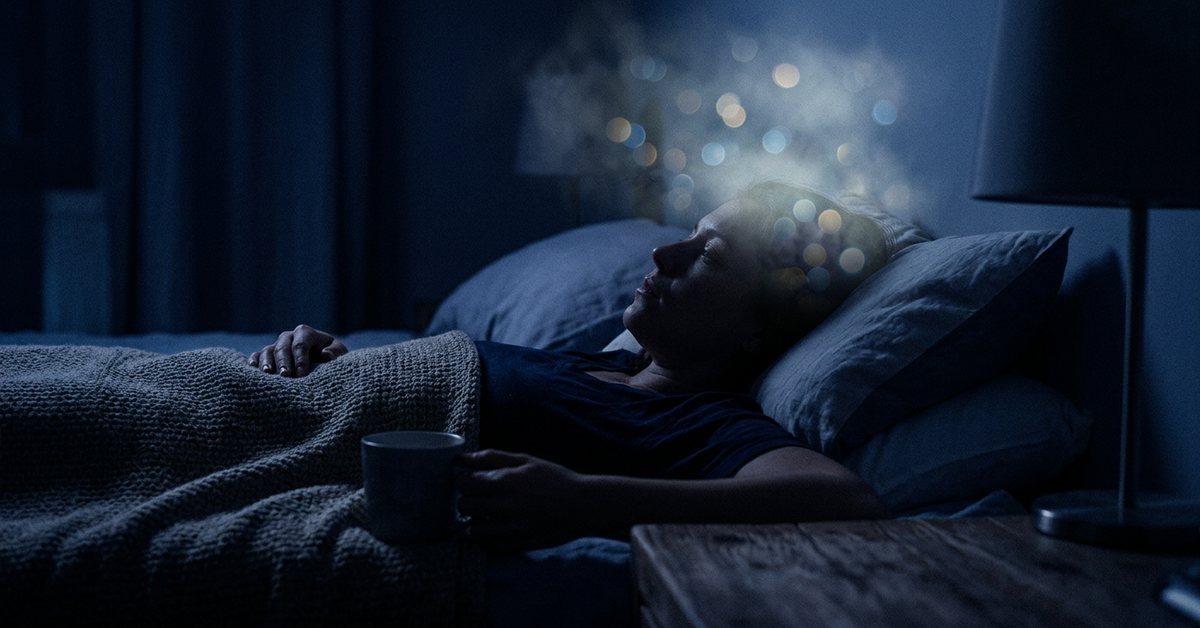
You know the feeling of lying in bed with a racing heart, staring at the ceiling while your mind refuses to switch off. Even if you only had one cup of coffee in the afternoon, the chemical remnants are likely still active within your nervous system. Caffeine is a powerful stimulant that works by highjacking your brain chemistry, specifically by blocking the very molecule that signals your body is tired. By masquerading as a natural compound called adenosine, caffeine prevents your internal pressure to sleep from building up. This leads to a state of hyperarousal that can delay your sleep onset for hours and reduce the quality of your deep rest. Understanding the biological half-life of this substance is crucial for reclaiming your nights. In this article, we explore how caffeine alters your core body temperature, disrupts your melatonin production, and fragments your sleep architecture. By learning how your liver processes this stimulant and how it interacts with your central nervous system, you can make informed decisions about your beverage timing and finally bridge the gap between being tired and actually falling asleep tonight.
You likely know the feeling of lying wide awake at 2 am, staring at the ceiling and wondering why that mid-afternoon espresso is still haunting you. While you might feel the initial buzz of caffeine fade within an hour, the biological reality inside your brain is far more persistent. The primary reason you cannot settle into deep sleep involves a chemical called adenosine, which builds up in your body throughout the day to signal tiredness. Caffeine acts as a molecular imposter, plugging into your adenosine receptors and tricking your brain into thinking it is not tired. Even once the jitters subside, the caffeine molecules remain lodged in these receptors, preventing your natural sleep drive from taking hold. Because caffeine has a surprisingly long half-life, a significant portion of that 3 pm beverage is still active in your system when you turn out the lights. Understanding the relationship between caffeine, your internal body clock, and your sleep architecture is essential for regaining control over your rest. In this article, we explore how caffeine alters your core body temperature, delays melatonin production, and why your genetics might make you more sensitive than others, helping you time your last cup for better restorative rest.
You likely associate a cup of tea with relaxation and a winding down of the day, yet your evening ritual might be the very thing keeping you awake. While tea contains less caffeine than coffee, it still possesses enough of this stimulant to significantly alter your internal biological clock. When you consume tea, caffeine enters your bloodstream and travels to your brain, where it blocks adenosine receptors. Adenosine is the critical chemical responsible for building sleep pressure throughout the day. By occupying these receptors, caffeine prevents your brain from sensing how tired you actually are, delaying the natural onset of sleep and reducing the time you spend in restorative deep sleep stages. Even tea marketed as gentle or soothing can harbour enough stimulant to disrupt your circadian rhythm, particularly if you are sensitive to its effects. Understanding how these chemical compounds interact with your central nervous system is the first step toward reclaiming your rest. This article explores the biological impact of tea on your sleep architecture and provides evidence-based strategies to ensure your beverage choices do not compromise your health. If you are struggling with persistent insomnia, it is always advisable to consult a clinician for personalized medical advice.
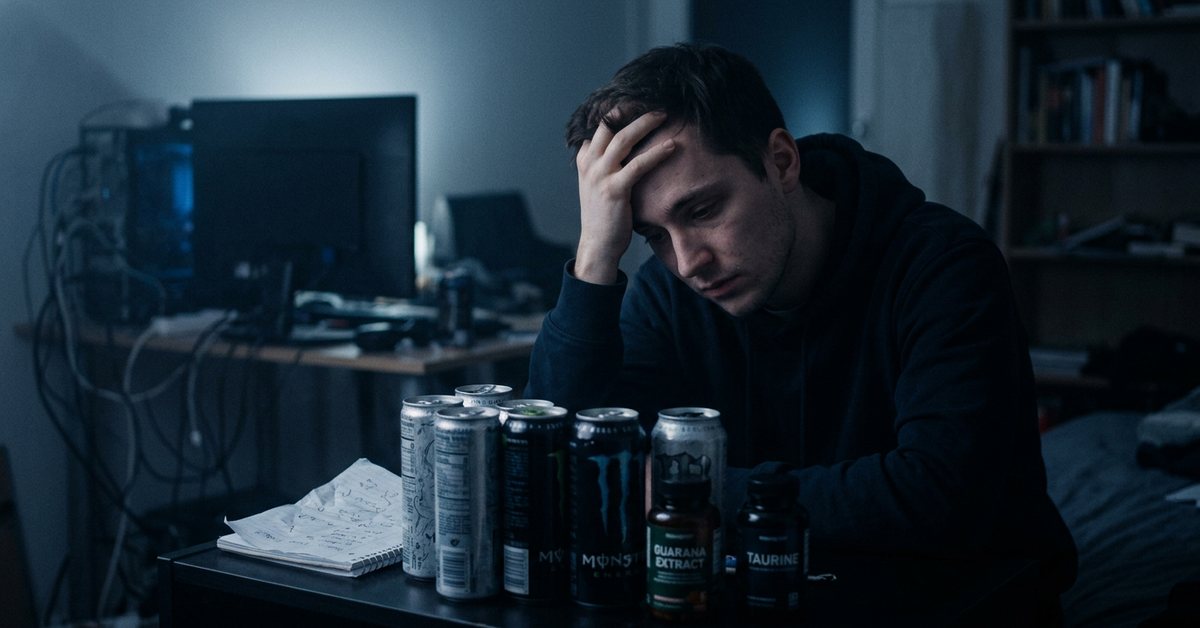
You have likely reached for a tall, brightly coloured can when the afternoon slump hits or a long night looms ahead. These energy drinks promise mental clarity and physical stamina, often powered by a potent mix of synthetic caffeine, guarana, and taurine. While they may help you push through the next few hours, the biological cost of delaying rest is significant. When you force your body to stay awake for extended periods, you are not just skipping rest; you are actively blocking the adenosine receptors in your brain that signal the need for sleep. This creates a physiological debt that can take days to repay. This article explores how these ingredients interact with your central nervous system to mask fatigue rather than resolve it. You will learn how guarana provides a sustained release of stimulants that can linger in your system far longer than a standard coffee, and how taurine may influence your metabolic state. By understanding the chemical impact of these beverages, you can make more informed choices about managing your energy levels without compromising your long term sleep health. If you are struggling to stay awake, it is time to look at what is happening inside your cells during those forty eight hours of forced alertness.
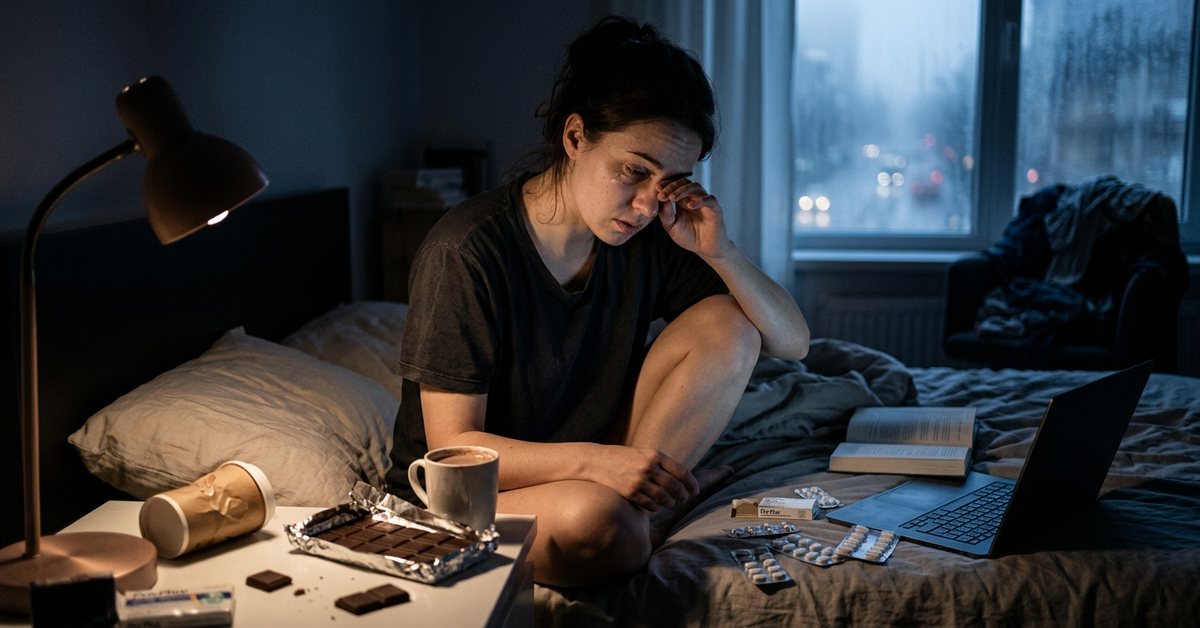
You likely know that a double espresso after dinner is a recipe for a restless night, but have you considered the hidden stimulants in your evening treat? That square of dark chocolate or mug of hot cocoa might feel like a relaxing ritual, yet it contains a complex pharmacological profile that can disrupt your internal clock. When you consume cocoa products, you are ingesting more than just sugar; you are consuming methylxanthines, specifically caffeine and theobromine. These compounds act directly on your central nervous system by blocking adenosine receptors, the very mechanism your brain uses to signal that it is time to rest. Even small amounts of these stimulants can delay your sleep onset and reduce the time you spend in deep, restorative stages of rest. If you have been waking up feeling unrefreshed despite a full eight hours, the culprit could be the chemical composition of your bedtime snack. Understanding how these alkaloids interact with your biology is the first step toward reclaiming your nights. This article explores the science of cocoa, the role of theobromine, and why your sweet tooth might be keeping your brain in a state of high alert long after the lights go out.
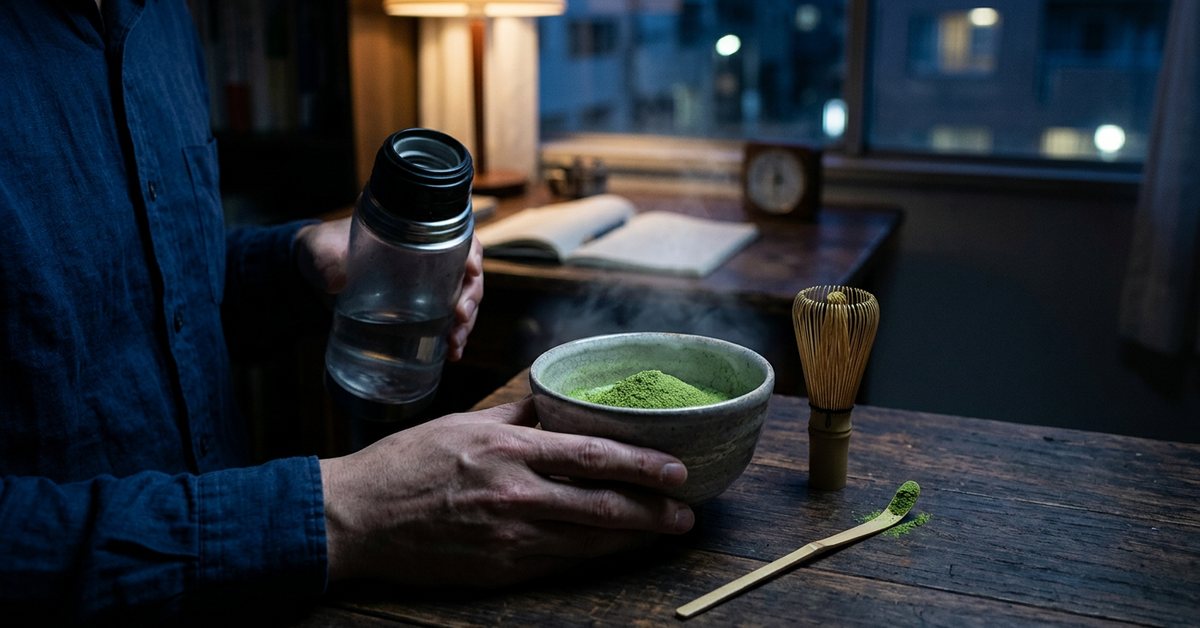
You might have switched to Japanese matcha powder thinking its vibrant green hue and high antioxidant profile make it a gentle alternative to coffee. However, if you find yourself staring at the ceiling at 2:00 AM, that whisked bowl of ceremonial tea may be the culprit. Matcha is unique because it contains the entire ground tea leaf, meaning you ingest a higher concentration of caffeine compared to steeped tea. This article explores the biological mechanism of how matcha interacts with your adenosine receptors, the chemical signals that tell your brain it is time to rest. While matcha contains l-theanine, an amino acid known for promoting relaxation, the stimulating effects of the caffeine often win the battle for your central nervous system when consumed too late in the afternoon. Understanding the half-life of these compounds is essential for protecting your sleep architecture and ensuring your deep sleep cycles remain uninterrupted. We dive into the science of why this ancient beverage can keep you wired, how it alters your core body temperature, and what you can do to enjoy your tea without sacrificing your precious hours of recovery. If you are struggling with persistent insomnia, please consult a qualified clinician for professional guidance.
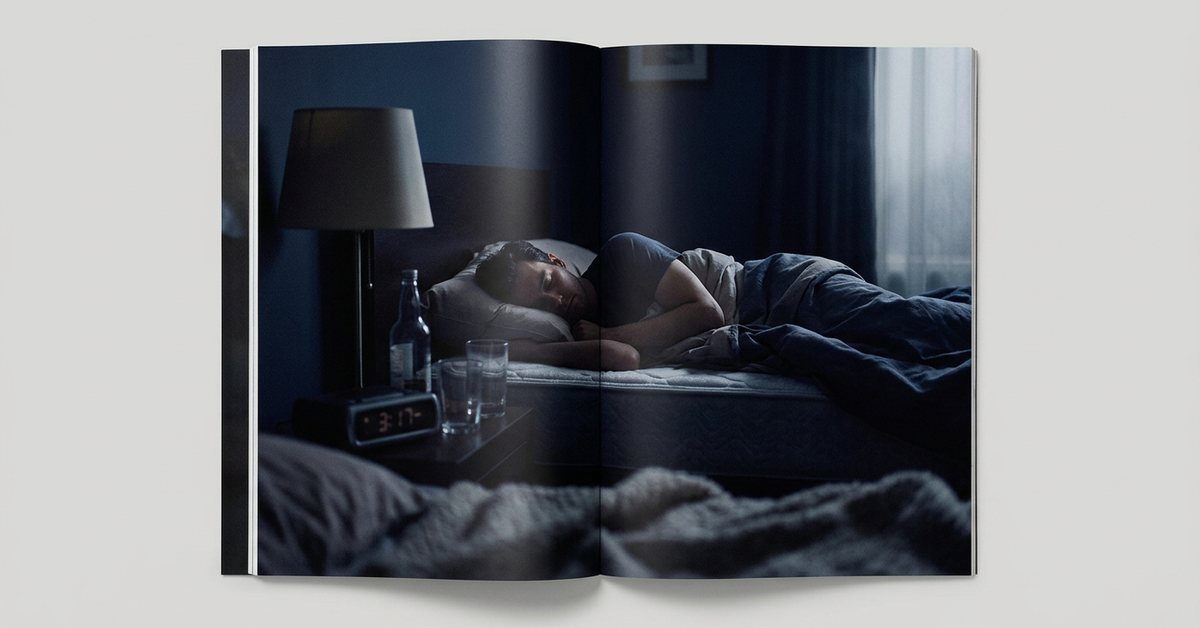
You might feel that a glass of wine or a nightcap is the perfect sedative to help you drift off after a long day. While it is true that alcohol is a central nervous system depressant that can shorten the time it takes to fall asleep, the internal cost is high. As your liver metabolises the ethanol, your body undergoes a process known as the rebound effect. This shift transforms your rest from a deep slumber into a fragmented, shallow state during the second half of the night. You may find yourself waking up suddenly at 3:00 AM, feeling dehydrated and restless, unable to return to a meaningful level of REM sleep. This occurs because the initial sedative effect wears off, replaced by a surge in sympathetic nervous system activity and a drop in blood sugar. Understanding this biological mechanism is the first step toward reclaiming your morning energy. In this article, we explore how alcohol disrupts your core body temperature and interferes with vital sleep architecture, ensuring that even if you were unconscious for eight hours, you wake up feeling utterly unrefreshed. If you struggle with persistent insomnia, please consult a qualified clinician for personalized support.
Do you often find yourself unable to sleep, tossing and turning after a Heavy Pork Dinner ? Maybe even waking from Vivid Unsettling Dreams? You are not alone. While Pork is a staple protein, Consuming it close to Bedtime creates a unique physiological challenge for your body. Some say that Pork is a "Dirty Protein" due to the image that pork are unclean animals that roll around in mud and eat food scraps. Often times they will be fed all the left-over food from grains, harvest and garden waste and scraps. In Addition to this Pigs Don't Sweat, meaning all their Toxins stay within the body and meat when harvested to eat the Pork Meals. You may see many Religions also not recommending or eating Pork, possibly for all these reasons.
In Addition to this, the combination of high protein density and specific Amino Acids like Tyrosine can stimulate the Brain Activity at the very moment you should be winding down. Furthermore, the high fat content in certain cuts of pork slows digestion significantly, forcing your core body temperature to remain elevated as your metabolic rate spikes. This heat prevents you from reaching the deep, restorative stages of sleep necessary for physical recovery. You may find your Heart Racing and Palpitating, and also the Sauces that are often used in making Pork Taste more Delicious are often loaded with MSG and other Chemicals which are Mind Stimulants and will keep you awake and also have Bad Dreams.
In this article, we explore the concrete mechanism of how Pork and Pork Related Foods many interfere with your ability to fall asleep and why that late-night bacon sandwich might be the culprit behind your midnight restlessness. By understanding the relationship between gastric load and sleep architecture, you can make better choices for your evening meals. If you're struggle with persistent insomnia, please consult a clinician for a professional assessment
Do you often find yourself staring at the ceiling hours after a delicious curry or a plate of hot wings? While the heat might feel good at dinner, the biological aftermath can be a significant disruptor to your sleep cycle. You are likely experiencing the intersection of gastroesophageal reflux and elevated core body temperature, both of which are triggered by the compound capsaicin found in chillies. When you lie flat, stomach acid can move more easily into the oesophagus, causing the burning sensation known as heartburn. Beyond the physical discomfort, spicy ingredients physically alter your thermoregulation, preventing your body from reaching the cool state required for deep sleep. This article explores how spicy foods delay sleep onset, fragment your rest, and lead to early morning awakenings. By understanding the link between capsaicin, acid production, and your internal thermostat, you can learn how to time your meals to enjoy the heat without sacrificing your rest. If you are struggling with persistent insomnia that does not improve with dietary changes, it is important to consult a healthcare clinician to rule out underlying conditions. Let us dive into the science of why your favourite spicy dishes might be the reason you are struggling to drift off tonight.
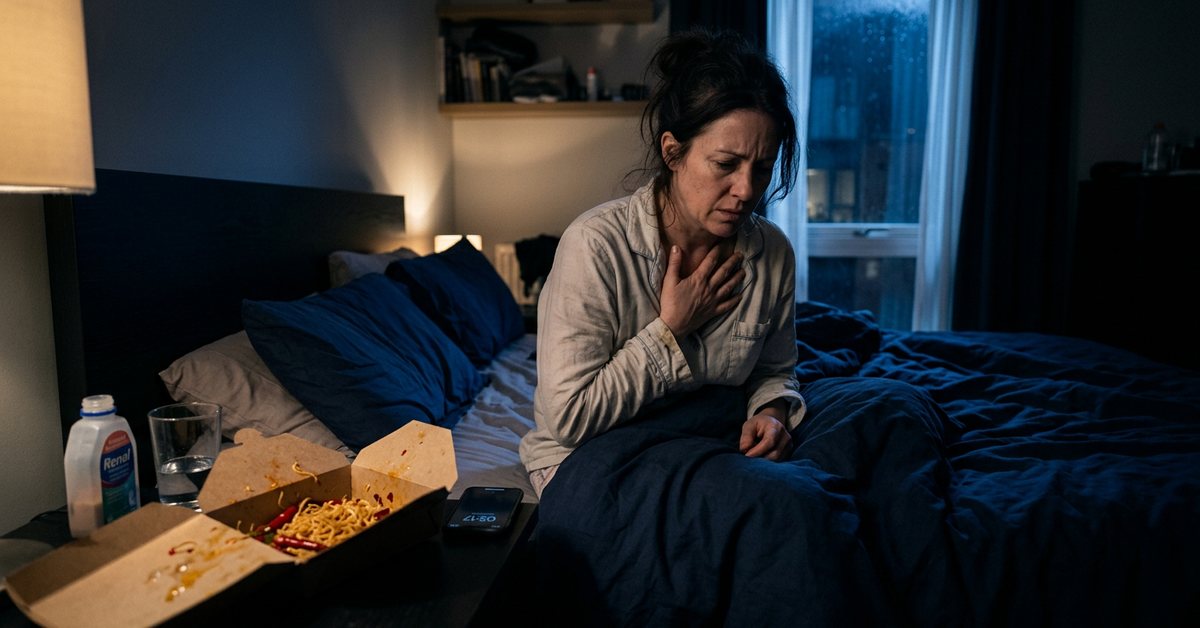
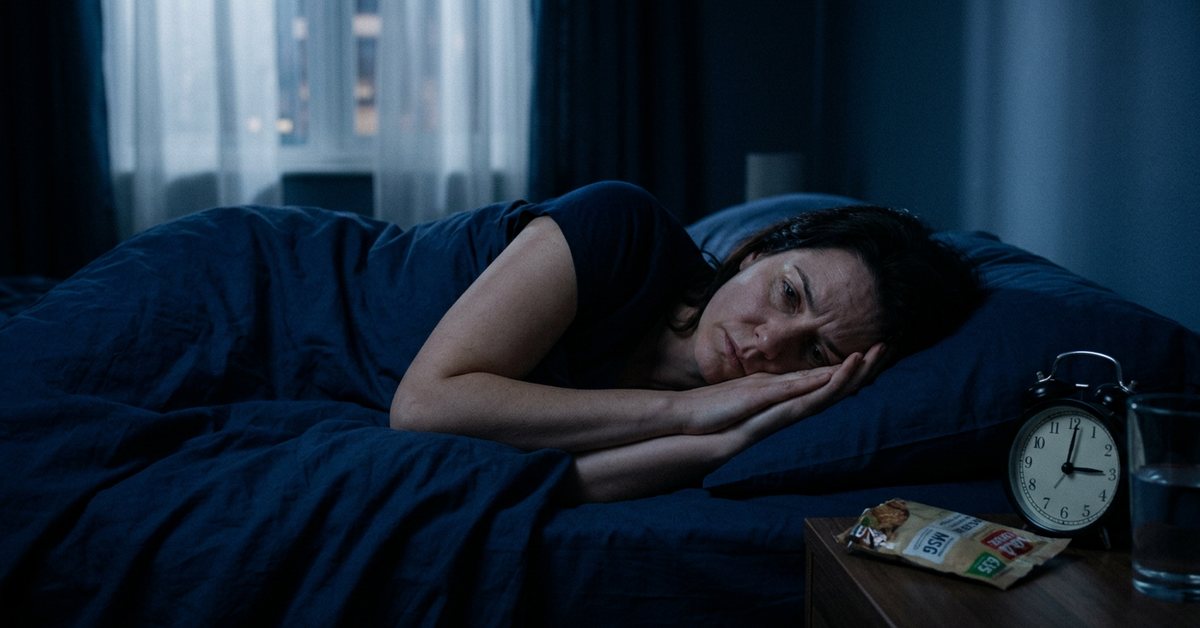
Do you often find yourself lying awake at 3 am with a racing heart and a busy mind after a takeaway meal or a bag of savoury snacks? You might be experiencing the stimulatory effects of Monosodium Glutamate (MSG) and its potent partner, flavour enhancer 635. While these additives make food taste irresistible, they function as excitatory neurotransmitters in the brain that can keep your nervous system in a state of high alert. In this article, we explore how these compounds bypass your natural sleep signals, why they are often hidden under innocent-sounding names on food labels, and the biological mechanism that links high-glutamate diets to fragmented sleep and nocturnal restlessness. By understanding how flavour enhancer 635 amplifies the effects of MSG, you can start to identify the dietary triggers that are sabotaging your rest. We look at the latest scientific research regarding glutamate sensitivity and provide practical steps to clean up your evening meals. If you have been struggling to drift off despite practicing good sleep hygiene, the culprit might be hiding in your pantry. Learn how to spot these additives and what to eat instead to ensure your brain can transition into the deep, restorative sleep it needs.
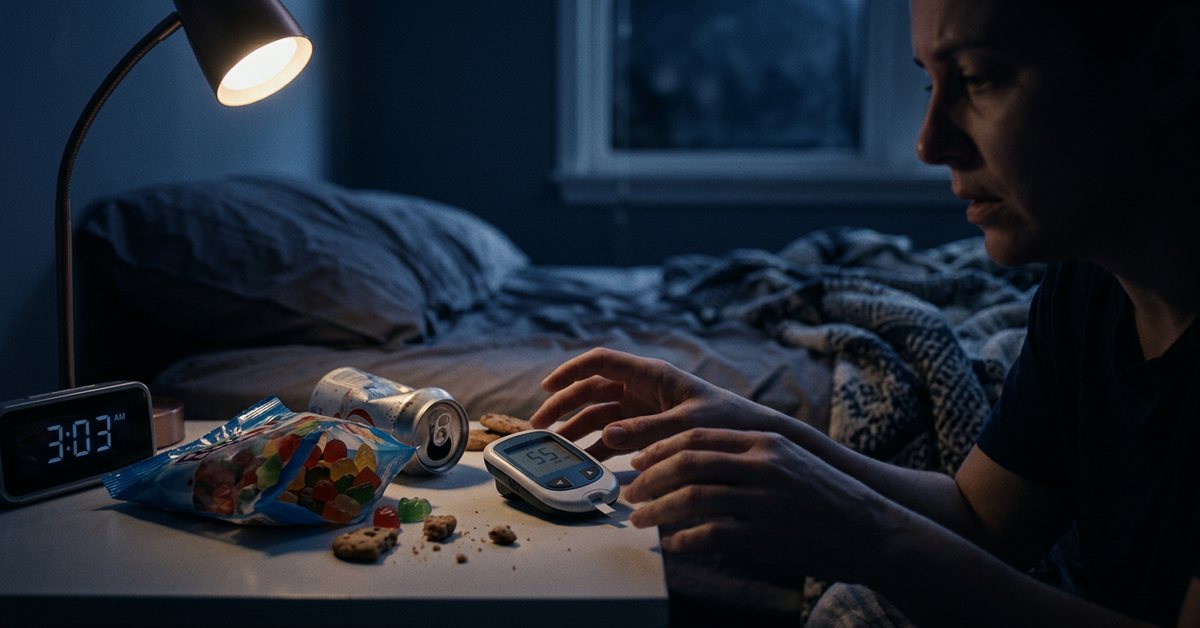
You have likely experienced the frustration of drifting off easily, only to find yourself wide awake at 3:00 am with a racing heart and a wandering mind. While many people attribute this to stress or age, the culprit is often hiding in your evening snack. Consuming high sugar foods before bed triggers a rapid spike in blood glucose, followed by a sharp compensatory insulin response. This physiological roller coaster leads to a nocturnal hypoglycaemic event, where your blood sugar drops too low while you sleep. To protect the brain, your body releases stress hormones like cortisol and adrenaline to liberate stored glucose. These hormones are chemically designed to wake you up, effectively ending your deep sleep cycles and leaving you restless in the early hours. Understanding the relationship between your glucose levels and your sleep architecture is the first step toward reclaiming your night. By smoothing out your evening glycaemic curve, you can prevent these chemical alarms from sounding, allowing your nervous system to remain in a restorative state until morning. This article explores the science of the midnight crash and how you can stabilise your internal chemistry for better rest.
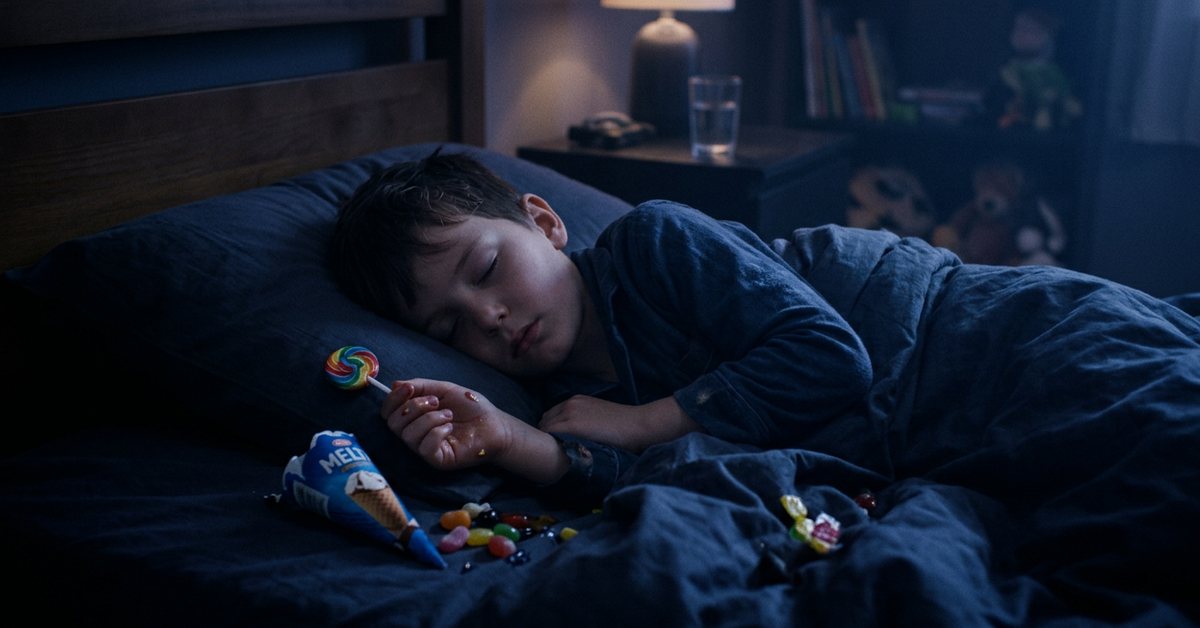
You have likely experienced the restlessness that follows a late-night bowl of ice cream or a handful of sweets while watching television. While these treats provide a temporary mood boost, they trigger a complex physiological response that fundamentally alters your sleep architecture. When you consume high-glycemic foods close to bedtime, your blood glucose levels spike rapidly, prompting a corresponding surge in insulin. This hormonal shift does more than just provide energy; it interferes with the natural dip in core body temperature required for deep sleep and can lead to nocturnal arousals as your blood sugar crashes later in the night. Instead of transitioning smoothly into restorative slow-wave sleep, your brain remains in a more alert state, leaving you feeling unrefreshed the following morning. Understanding the relationship between refined sugar and your internal clock is essential for reclaiming your rest. This article explores the biological mechanisms behind the sugar-induced sleep disruption, examines the latest clinical research on dietary patterns, and provides practical alternatives to help you stabilise your metabolism before your head hits the pillow. If you struggle with persistent insomnia, please consult a qualified healthcare professional or sleep clinician for a personalised assessment.
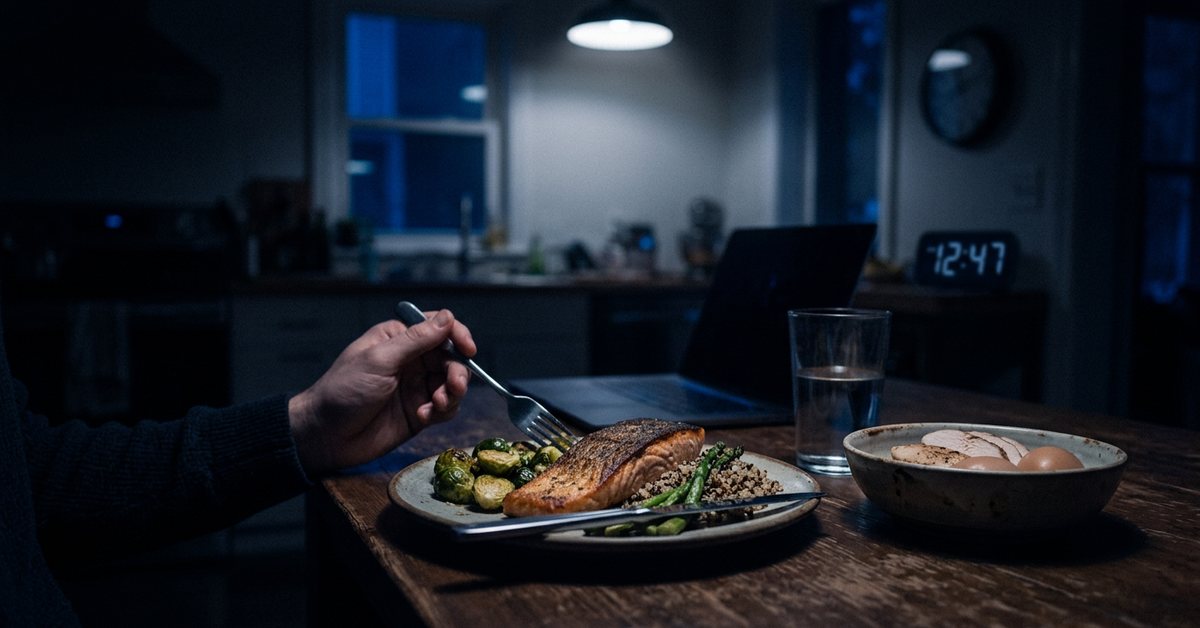
You have likely heard that a healthy dinner should be packed with protein, and salmon is often hailed as the gold standard of nutritious evening meals. However, you might find yourself lying awake for hours after a high-protein feast, wondering why your body refuses to drift off. While protein is essential for muscle repair and general health, consuming large quantities of it too close to your bedtime can create a biological conflict within your digestive and nervous systems. The primary mechanism at play involves the thermic effect of food and the competition between amino acids crossing the blood-brain barrier. When you eat a heavy protein meal, your body must work harder to break down complex molecules, raising your core body temperature and potentially blocking the transport of tryptophan, the precursor to your sleep hormone, melatonin. This article explores why your healthy salmon dinner might be the hidden culprit behind your restlessness and how you can adjust your evening macros to support a deeper, more restorative night of rest. By understanding the timing of protein synthesis and its impact on your circadian rhythm, you can enjoy your favourite foods without sacrificing your precious hours of sleep.
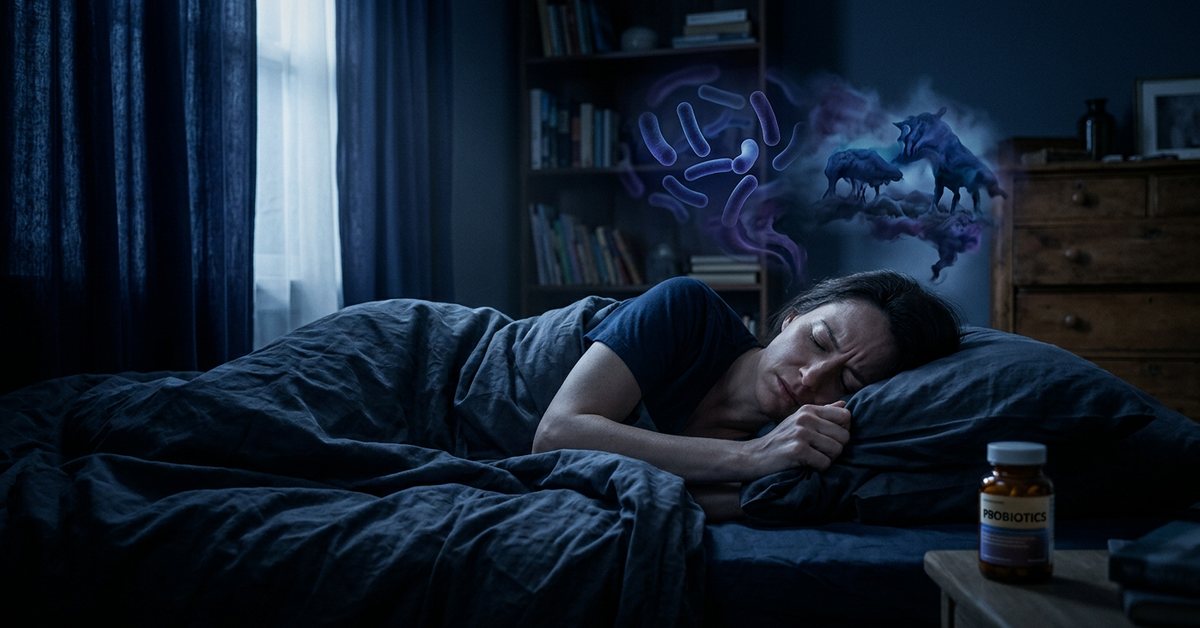
Have you noticed that your dreams have become strangely intense or even disturbing since you started taking a new probiotic supplement? You are not imagining it. There is a profound connection between the trillions of bacteria living in your digestive tract and the way your brain processes information during the night. While we often think of the gut only in terms of digestion, it is actually a major manufacturing hub for neurochemicals that dictate your sleep architecture. When you introduce new bacterial strains, you are essentially altering the chemical signals sent to your brain via the vagus nerve. This can lead to a temporary surge in neurotransmitters like serotonin and dopamine, which are critical for the Rapid Eye Movement stage of sleep. If you find yourself waking up exhausted from a night of cinematic nightmares, it may be due to this sudden shift in your internal ecosystem. Understanding the gut-brain axis is the first step to reclaiming a peaceful night of rest. In this article, we explore how microbial shifts impact your REM cycles and why a healthy gut sometimes comes with a temporary side effect of vivid, unsettling dreams as your body adjusts to its new bacterial balance.
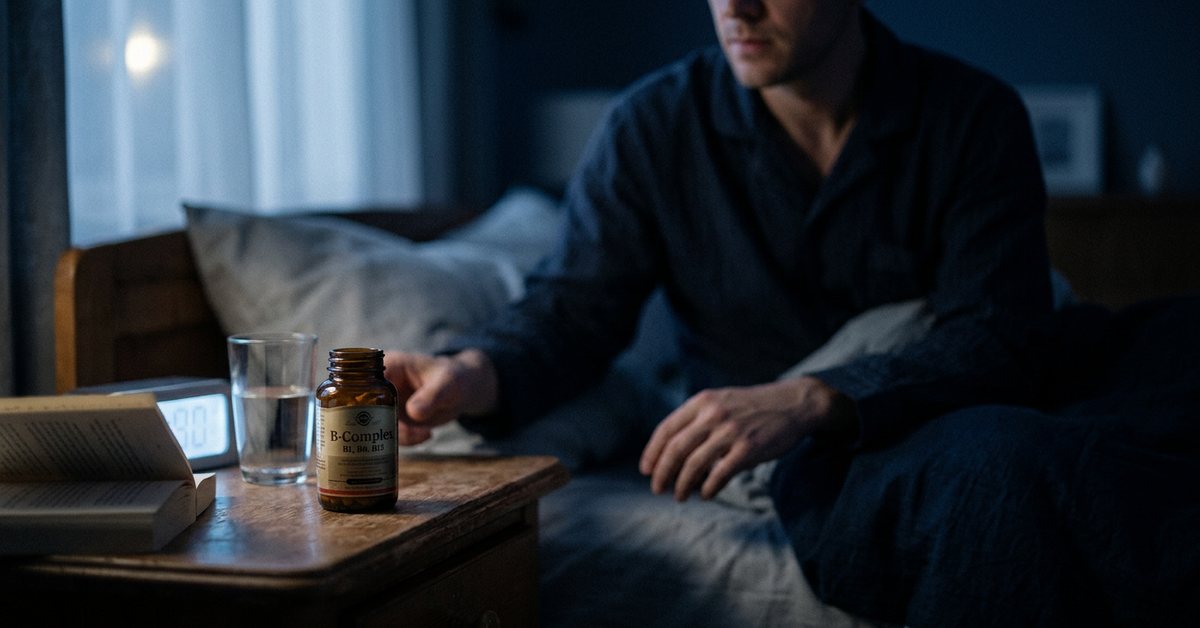
Are you taking a high-dose B-complex supplement to boost your energy, only to find yourself staring at the ceiling at 3 AM? It is a common irony that the very nutrients we take to combat fatigue can sometimes be the hidden culprits behind our restlessness. While B group vitamins are essential for your health, they play a profound role in your central nervous system and metabolic rate. When taken in high doses or at the wrong time of day, vitamins B1, B6, and B12 can act as subtle stimulants. They influence the synthesis of neurotransmitters and the regulation of your circadian rhythm, potentially pushing your brain into a state of hyper-arousal when you should be winding down. This article explores the specific mechanisms by which these water-soluble vitamins interact with your sleep architecture. You will learn how B1 affects your glucose metabolism, how B6 influences serotonin and melatonin production, and why B12 might be altering your internal clock. Understanding the delicate balance of these micronutrients is key to ensuring your supplement routine supports your daytime vitality without sacrificing your nocturnal recovery. If you are struggling to drift off, your morning multivitamin might require a closer look.
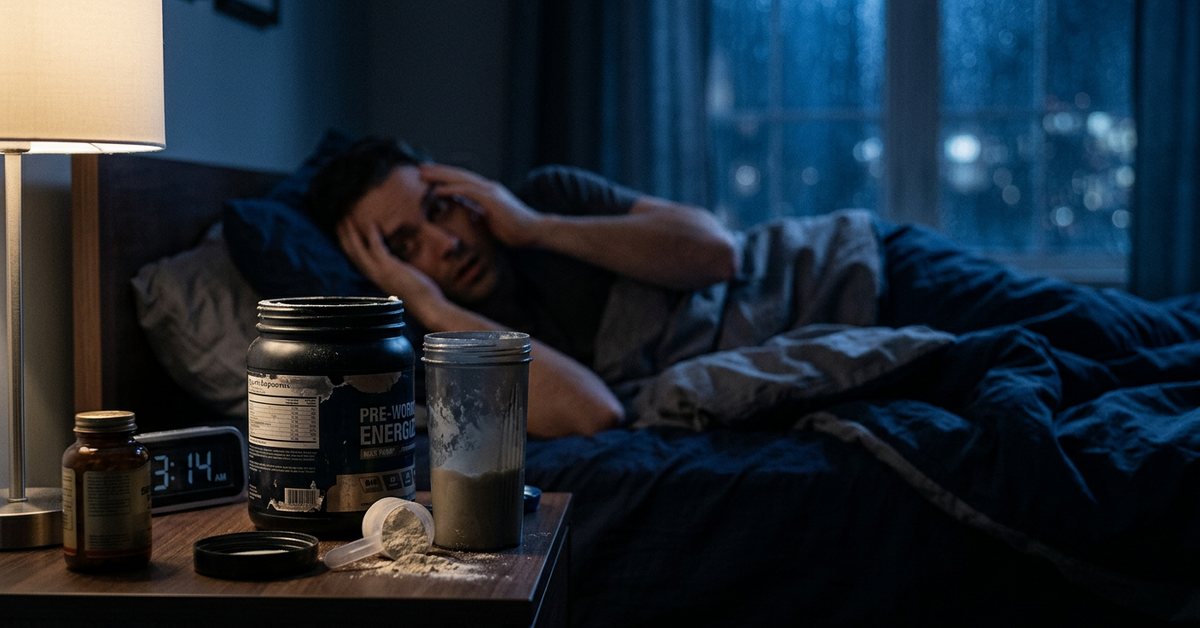
You have pushed yourself through a grueling evening workout, fueled by a potent pre-workout blend and followed by a thick protein shake. Yet, despite physical exhaustion, you find yourself staring at the ceiling at 2:00 AM, your heart racing and your mind unable to settle. This common frustration is not a lack of willpower but a direct result of how gym supplements interact with your neurochemistry. Many popular performance enhancers rely on high doses of caffeine and hidden stimulants that block adenosine receptors, the very mechanism your brain uses to signal tiredness. Furthermore, certain protein formulations can trigger insulin spikes or contain additives that interfere with your natural drop in core body temperature, a critical requirement for entering deep sleep. If you are struggling to balance your fitness goals with your need for restorative rest, understanding these physiological triggers is essential. This article explores how these supplements alter your sleep architecture, from delaying the onset of sleep to reducing the quality of your REM cycles. By identifying the specific ingredients that sabotage your recovery, you can adjust your supplement timing and selection to ensure your hard work in the gym is supported by the sleep your body requires to repair and grow.
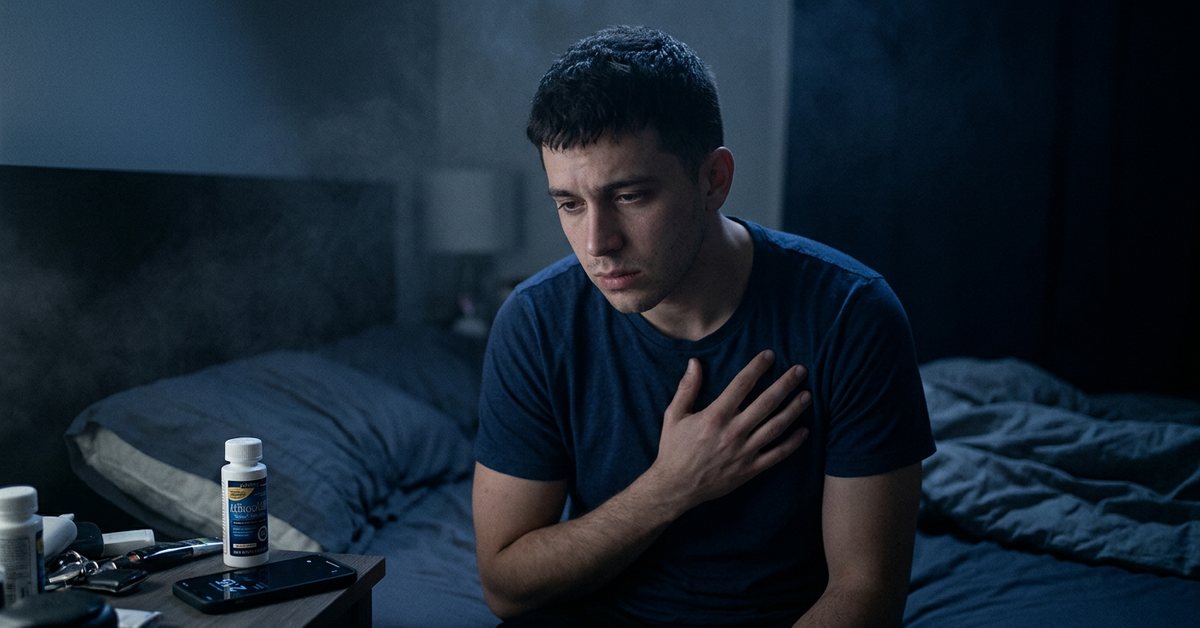
You are dedicated to your hair restoration routine, but lately, you have noticed your heart racing as soon as your head hits the pillow. If you are using minoxidil to combat thinning hair and finding yourself wide awake at 3:00 AM, you are not alone. While this vasodilator is a gold standard for regrowth, its systemic absorption can trigger a cascade of physiological responses that are fundamentally at odds with deep rest. By widening blood vessels, minoxidil can inadvertently activate your sympathetic nervous system, leading to an elevated resting heart rate and palpitations that make relaxation impossible. This article explores the biological connection between topical hair treatments and nocturnal wakefulness. We examine how the drug influences your cardiovascular system and disrupts the delicate transition into sleep. You will learn why your body might be reacting this way, what the latest clinical research says about these side effects, and how you can adjust your routine to protect both your hair and your health. If you have been wondering why your heart feels like it is running a marathon while you are trying to dream, the answer may be sitting on your bathroom vanity.
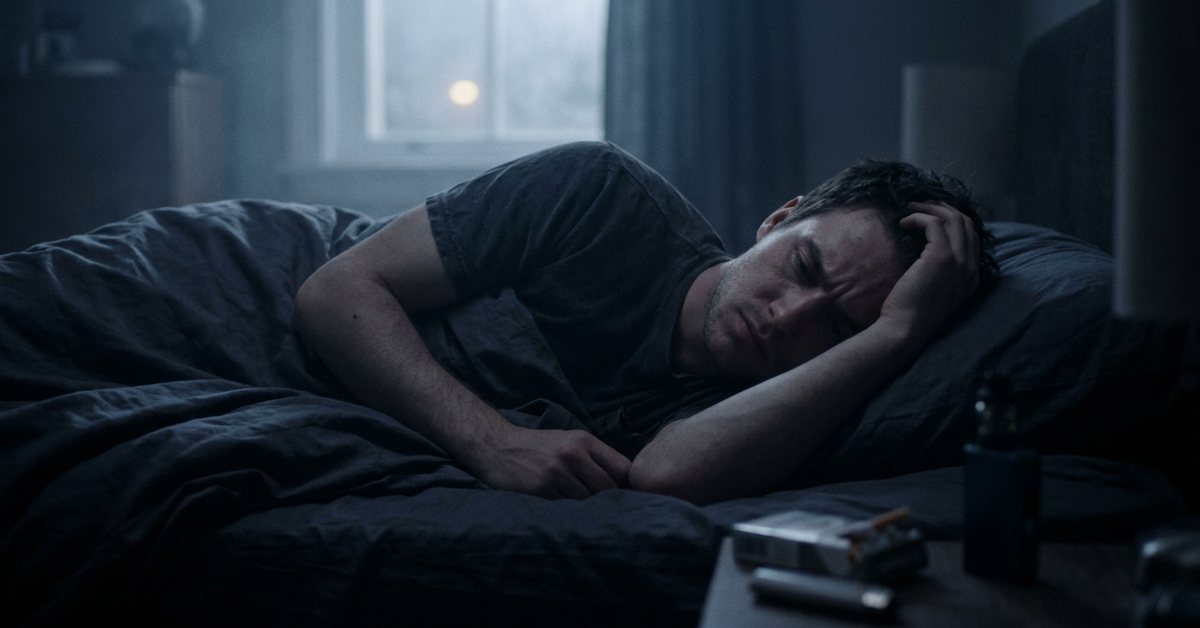
Do you find yourself waking up in the early hours of the morning, feeling restless, alert, and unable to drift back into a deep slumber? While many people reach for a cigarette or a vape to relax before bed, the chemical reality of nicotine is far from soothing. As a potent stimulant, nicotine interacts directly with your brain's arousal centres, but the real trouble begins while you sleep. Because nicotine has a relatively short half life, your body begins to experience the first stages of withdrawal just a few hours after your last puff. This creates a physiological conflict: your brain is trying to maintain deep sleep while your nervous system is sounding an alarm for more nicotine. This process, known as night time withdrawal, triggers micro-arousals and fragmented sleep patterns that leave you feeling exhausted the next day. By understanding how nicotine alters your neurochemistry and disrupts your natural sleep architecture, you can begin to take steps toward reclaiming your rest. This article explores the biological mechanisms behind nicotine induced insomnia and offers practical strategies to help you navigate the challenges of quitting for better sleep health.
When you struggle to drift off or wake up feeling unrefreshed, you might look at your caffeine intake or screen time, but the impact of recreational substances is often the hidden culprit behind a night of tossing and turning. Whether it is the stimulating effects of cocaine and MDMA or the deceptive sedation of cannabis, these substances do more than just alter your mood; they fundamentally rewrite your internal sleep architecture. You might feel like a substance helps you switch off, yet the biological reality is that your brain remains in a state of high alert, unable to access the deep, restorative stages of sleep required for cognitive repair and physical recovery. By interfering with neurotransmitters like dopamine and adenosine, recreational drugs prevent your core body temperature from dropping and stop your nervous system from entering a true state of rest. Understanding the concrete mechanism of how these chemicals bypass your natural sleep triggers is the first step in reclaiming your nights. This article explores the physiological collapse of sleep quality that follows substance use and offers evidence-based insights into how you can begin to restore your body’s natural rhythms for long-term health and mental clarity.
Do you find yourself wide awake after a relaxing evening shower? While a warm wash is often recommended as a way to wind down, the specific ingredients in your shampoo and conditioner could be working against your biological clock. Many popular hair care products contain potent volatile organic compounds and scalp stimulants designed to invigorate and refresh, but these same chemicals can act as neurostimulants when used too close to bedtime. Through the mechanisms of olfactory stimulation and increased scalp circulation, fragrances like peppermint, citrus, and eucalyptus can trigger the release of cortisol and decrease the natural buildup of adenosine, the chemical responsible for sleep pressure. This article explores the hidden chemistry of your bathroom cabinet and how certain fragrances interact with your nervous system to keep you alert. You will learn why the cooling sensation of menthol mimics a stress response and how synthetic perfumes can disrupt the delicate transition into sleep. By understanding the link between aromatic compounds and brain activity, you can adjust your evening routine to ensure your hygiene habits support, rather than sabotage, your ability to fall asleep naturally and stay asleep throughout the night.
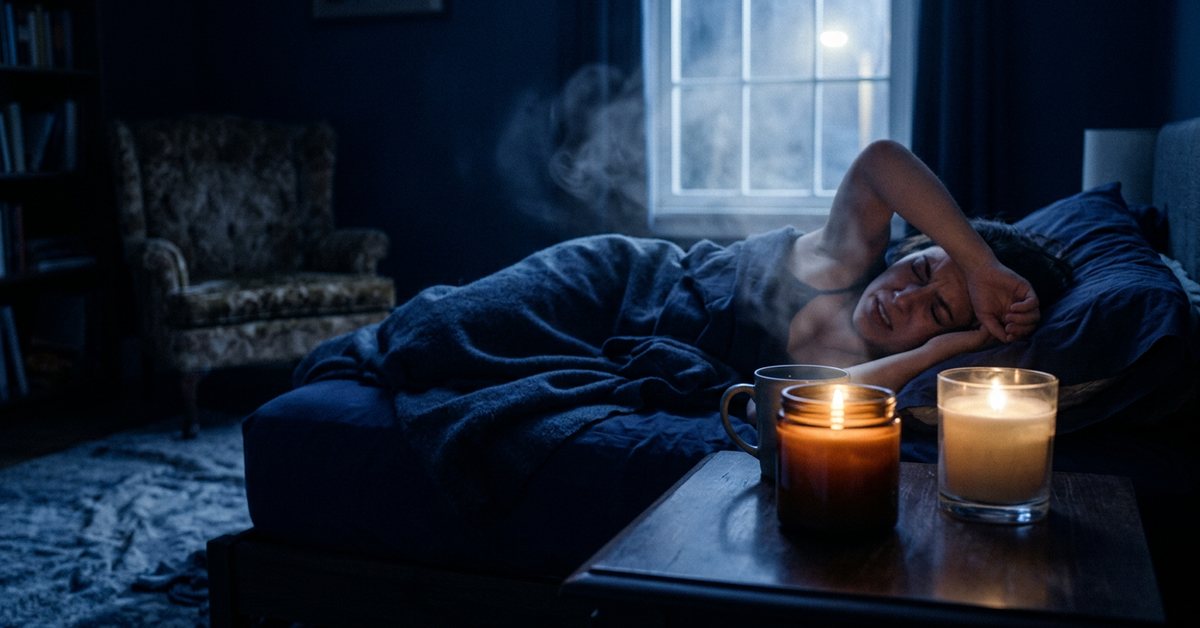
You might light a scented candle in the evening to create a relaxing atmosphere, hoping the flickering flame and soothing aroma will prepare your mind for rest. However, your evening ritual could be sabotaging your sleep architecture without you realising it. Many fragranced candles release volatile organic compounds and synthetic musks that can interfere with your respiratory efficiency and neurological calm. When you inhale these concentrated scents in an enclosed bedroom, you are introducing complex chemicals that may trigger a subtle histamine response or irritate your airways, leading to micro-awakenings that you might not even remember the next morning. While the psychological intent is relaxation, the physiological impact can be quite the opposite, potentially elevating your core body temperature or disrupting the natural rise of melatonin. Understanding the link between indoor air quality and your nocturnal physiology is essential for reclaiming a truly restorative night. By examining how these fragrances interact with your nervous system, you can make informed choices about your pre-sleep environment. This article explores the hidden chemistry of your favourite candles and provides evidence-based alternatives to help you achieve the deep, uninterrupted sleep your body requires to function at its best.
Do you find yourself tossing and turning, unable to settle because of a vague sense of physical restlessness or a slight itch that seems to appear only at bedtime? If you use heavily perfumed detergents or fabric softeners, the culprit for your sleeplessness might be hiding in the very fibers of your sheets. While we are often told that 'linen fresh' scents promote relaxation, the reality for many is quite the opposite. Synthetic fragrances are complex chemical cocktails that can trigger a low-level inflammatory response known as contact dermatitis or respiratory irritation. When your body is in a state of irritation, it releases histamine, a neurotransmitter that acts as a wakefulness signal in the brain. This chemical interference can prevent your core body temperature from dropping and keep your nervous system in a state of high alert. Instead of drifting into a deep sleep, you may find yourself stuck in the lighter stages of the sleep cycle. In this article, we explore how these common household chemicals disrupt your biological sleep triggers and what steps you can take to clear your bedroom air and skin of these hidden irritants tonight.
You spend roughly one third of your life pressed against your mattress and pillows, yet the microscopic environment of your bedding is often the most overlooked factor in chronic insomnia. When you neglect to wash your sheets regularly, you are not just sleeping on dead skin cells; you are hosting a complex ecosystem of dust mites and potentially toxic mould spores. These biological agents trigger a low-level inflammatory response in your body, primarily through the release of histamine. This chemical reaction acts as a subtle stimulant to your central nervous system, keeping your brain in a state of hyper-arousal even when you feel exhausted. If you find yourself waking up with a stuffy nose, itchy eyes, or a general sense of restlessness, the culprit may not be your mind, but your linens. This article explores the physiological mechanisms by which poor bedding hygiene disrupts your circadian rhythms and prevents you from reaching the deep, restorative stages of sleep. By understanding the link between environmental allergens and your internal chemistry, you can take simple, practical steps to reclaim your rest and ensure your bedroom is a true sanctuary for health rather than a source of nightly irritation.
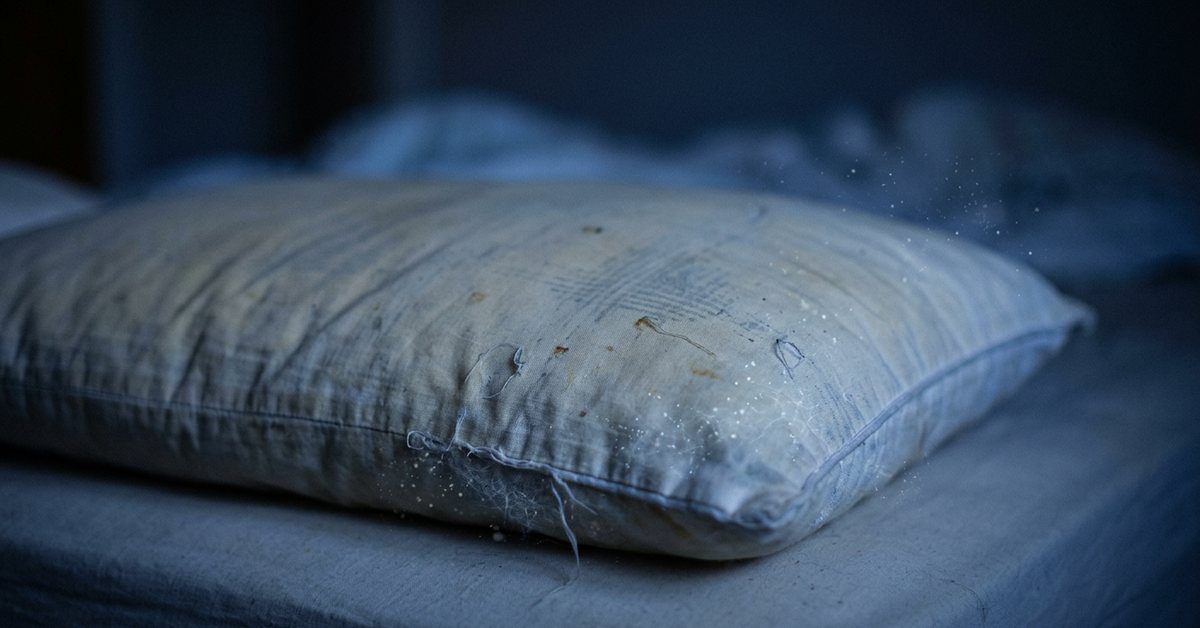
Have you ever considered that the object you rest your face on for eight hours a night might be hindering your rest? While we often focus on caffeine or screen time when we cannot sleep, your physical bedding environment plays a silent but significant role in your sleep architecture. Over time, pillows accumulate a hidden ecosystem of dust mites, fungal spores, and skin cells that can trigger low-grade inflammatory responses in your body. This microbial buildup does more than just cause sneezing; it can actually impact your breathing patterns and core body temperature regulation throughout the night. If you find yourself waking up with a stuffy nose or a restless mind, the culprit might be the aged foam or feathers beneath your head. As pillows lose their structural integrity, they fail to support the cervical spine, leading to physical discomfort that prevents you from reaching the deeper, restorative stages of sleep. In this article, we explore the biological mechanisms of how bedding hygiene affects your health and what the latest scientific research says about the life span of your pillow. Understanding these factors is the first step toward reclaiming a clean, quiet, and truly restorative night of sleep.
Do you find yourself tossing and turning, unable to find a comfortable position no matter how many times you shift? You might think your inability to drift off is purely mental, but your physical environment plays a critical role in your brain's ability to transition into sleep. When your mattress fails to support the natural curvature of your spine, it creates localized pressure points and muscular tension that trigger a physiological stress response. This physical discomfort does more than just make you fidget; it interrupts the critical drop in core body temperature needed for deep sleep and can even spike cortisol levels, keeping your nervous system in a state of high alert. If you wake up with a stiff lower back or tingling limbs, your bedding may be the primary barrier between you and a restful night. Understanding the mechanical relationship between spinal alignment and sleep architecture is the first step toward reclaiming your rest. In this guide, we explore the science of ergonomic support and how a simple change in your sleeping surface could be the missing piece in your insomnia puzzle, helping you move from midnight frustration to consistent, restorative slumber.
You might think that skipping your evening shower is a time-saving shortcut, but your internal thermostat may disagree. When you climb into bed without a warm soak, you are missing out on a critical biological trigger that tells your brain it is time to rest. The science of sleep hygiene is not just about cleanliness; it is about a process called thermoregulation. By skipping this ritual, you bypass a rapid cooling phase that is essential for the onset of deep sleep. This article explores why the simple act of bathing acts as a powerful signal for your circadian rhythm. You will learn how the dilation of blood vessels in your hands and feet facilitates a drop in core body temperature, which is the primary catalyst for melatonin production. If you have been tossing and turning, the missing link might be the temperature shift that occurs after you step out of the water. We dive into the physiological reasons why your body needs that specific thermal signal to transition from the alertness of the day to the restoration of the night, ensuring you wake up feeling refreshed rather than sluggish and overheated.
Do you find yourself waking up with a stuffy nose, a scratchy throat, or a lingering sense of grogginess despite spending eight hours in bed? You might assume your restlessness is due to stress or screen time, but the physical environment of your bedroom often plays a silent, significant role. In many homes, particularly those with rising damp or ageing textiles, the air you breathe during the night is thick with microscopic irritants. Mould spores and dust mites thrive in damp carpets and behind wardrobes, triggering a physiological response known as nocturnal congestion. When your body detects these foreign particles, it initiates an inflammatory cascade that narrows your airways and forces you to breathe through your mouth. This transition from nasal to mouth breathing is not just uncomfortable; it fundamentally alters your sleep architecture and prevents you from reaching the restorative stages of deep sleep. By understanding the biological link between bedroom allergens and your central nervous system, you can identify why your environment is working against your circadian rhythm. This article explores how rising damp and old carpets contribute to nighttime wakefulness and provides actionable steps to reclaim a clean, breathable sleeping space that supports natural rest.
You toss the duvet aside only to feel a chill minutes later, then pull it back up and begin to sweat. This cycle is a common frustration for many people struggling with insomnia, but the reason you cannot sleep often comes down to your biology rather than just your bedding. Your body operates on a circadian rhythm that requires a specific drop in core temperature to initiate the transition into deep rest. When your bedroom environment is too hot or too cold, it interferes with your brain's natural signals for sleep. Specifically, heat inhibits the release of melatonin and keeps your heart rate elevated, while extreme cold can trigger muscle tension that prevents physical relaxation. Understanding the relationship between your thermoregulation and your sleep architecture is the first step toward reclaiming your nights. In this article, we explore how the hypothalamus manages your internal thermostat and why setting your room to a specific temperature range is scientifically proven to help you drift off faster. If you find yourself constantly adjusting the thermostat instead of resting, you are not alone. By aligning your environment with your body’s cooling requirements, you can finally silence the restlessness and achieve the restorative sleep you deserve.
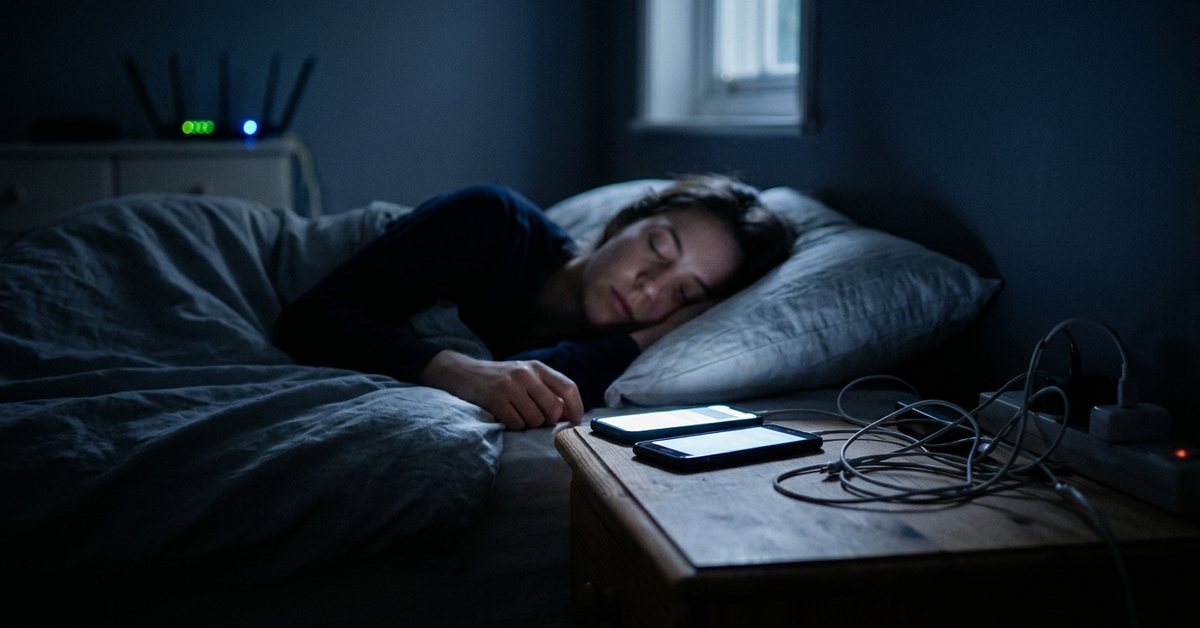
You have likely wondered if the gentle hum of your wifi router or the presence of a smartphone on your nightstand is the reason you are tossing and turning. Creating the perfect sleep environment involves more than just a comfortable mattress; it requires managing the invisible and audible signals that interact with your brain while you rest. When you keep a phone beside your head, you are not just contending with potential electromagnetic fields, but also the psychological alertness triggered by the possibility of incoming notifications. This constant state of low-level vigilance can alter your cortisol rhythms and delay the release of melatonin, the hormone responsible for telling your body it is time to wind down. In this article, we explore the concrete biological mechanisms that link environmental noise and technology use to fragmented sleep cycles. By understanding how external stimuli interfere with your internal chemistry, you can take control of your bedroom environment. We look at the latest research into sound sensitivity and non-ionising radiation to help you decide if a tech-free sanctuary is the missing piece in your recovery puzzle. Learn how to silence the digital noise and foster a space where your nervous system can truly disengage.
Do you find yourself tossing and turning even though you feel exhausted? The culprit might be the very environment you rely on for rest. In the modern home, darkness is a rare commodity. From the glow of a smartphone charging on the nightstand to the streetlights bleeding through thin curtains, your bedroom may be flooded with light that signals your brain to stay awake. This article explores how even dim light exposure during the night suppresses the release of melatonin, the hormone responsible for telling your body it is time to sleep. When your eyes detect light, your internal clock, or circadian rhythm, is pushed out of sync, leading to fragmented sleep and morning grogginess. You will learn about the specific biological pathways involved, such as the role of the suprachiasmatic nucleus, and how artificial light mimics the sun to keep your systems in a state of high alert. By understanding the science of darkness, you can take control of your sleep hygiene and restore your natural cycles. We look at the latest research and provide practical, low-cost solutions to help you reclaim a pitch-black environment, ensuring your brain gets the chemical signal it needs to drift into a deep and restorative slumber.
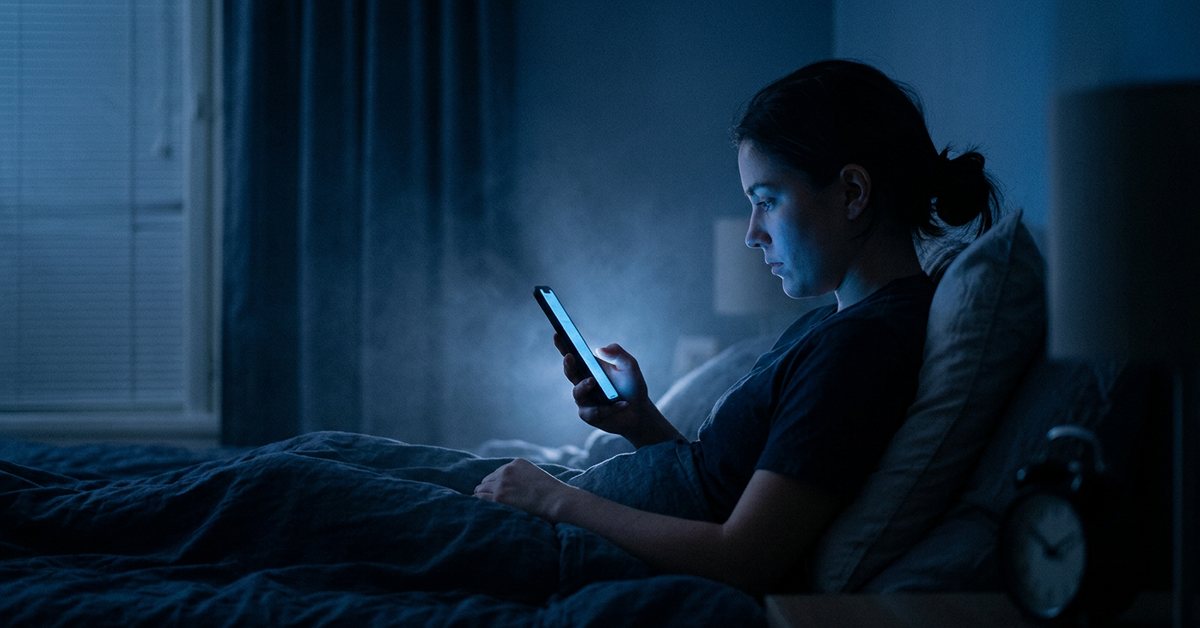
Do you find yourself scrolling through your phone late at night, only to lie awake for hours feeling wired despite a long day? You are not alone, and the reason is likely glowing right in front of your face. Modern screens emit a specific wavelength of high-energy visible light known as blue light, which acts as a powerful signal to your brain that it is daytime. When this light enters your eyes, it interacts with specialized photoreceptors that communicate directly with your internal biological clock. This interaction triggers a chemical chain reaction that halts the production of melatonin, the essential hormone your body needs to transition into sleep. Instead of winding down, your system remains in a state of high alertness, delaying your natural sleep window and reducing the quality of your rest. Understanding the relationship between your devices and your endocrine system is the first step toward reclaiming your night. By learning how blue light alters your physiology, you can make simple adjustments to your evening routine that allow your hormones to function as nature intended. This guide explores the science behind screen use and offers practical strategies to protect your sleep hygiene without giving up technology entirely.
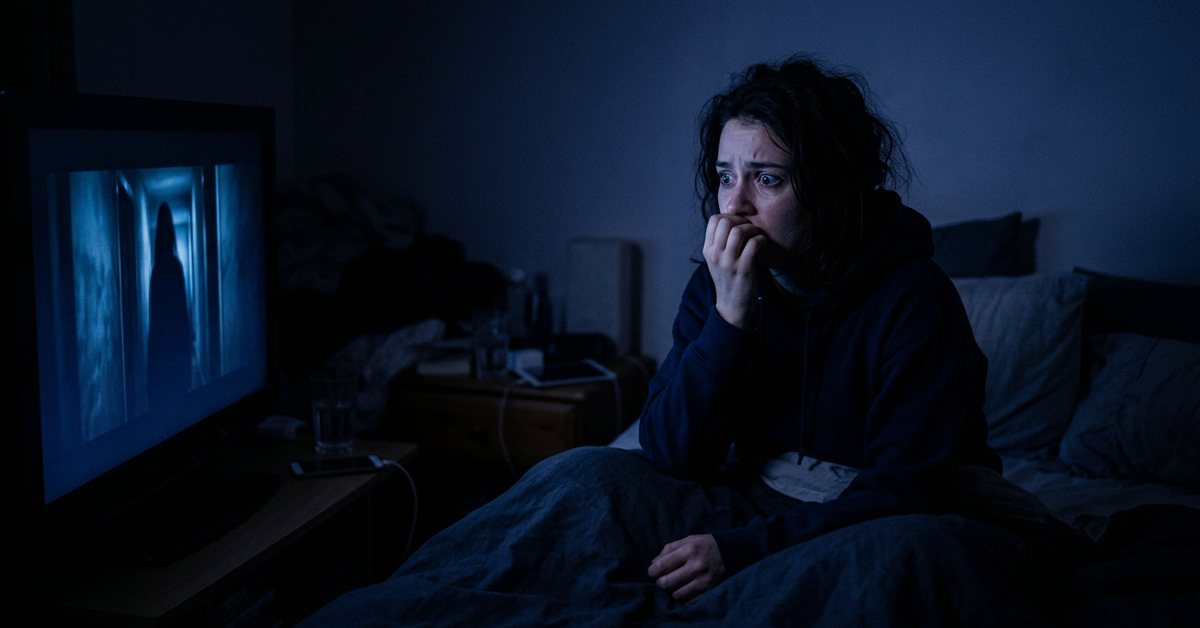
Do you find yourself lying wide awake after a late night horror marathon, jumping at every creak in the floorboards? While you might enjoy the adrenaline rush of a slasher film or a psychological thriller, your brain often struggles to distinguish between a fictional threat on screen and a real danger in your living room. This common phenomenon is known as hyperarousal, a state of heightened psychological and physiological tension that directly opposes the relaxation required for sleep. When you watch frightening content, your body initiates a primitive fight or flight response, flooding your system with stress hormones like cortisol and adrenaline. This biological reaction increases your heart rate and sharpens your senses, effectively slamming the brakes on your natural sleep cycle. Even if you feel mentally brave, your autonomic nervous system is working overtime to keep you alert. In this article, we explore how screen based scares disrupt your internal chemistry, why your brain stays on high alert long after the credits roll, and how you can reclaim your evening peace. By understanding the concrete mechanism of the stress response and its impact on your sleep architecture, you can make better choices for your nightly routine and finally get the rest you deserve.
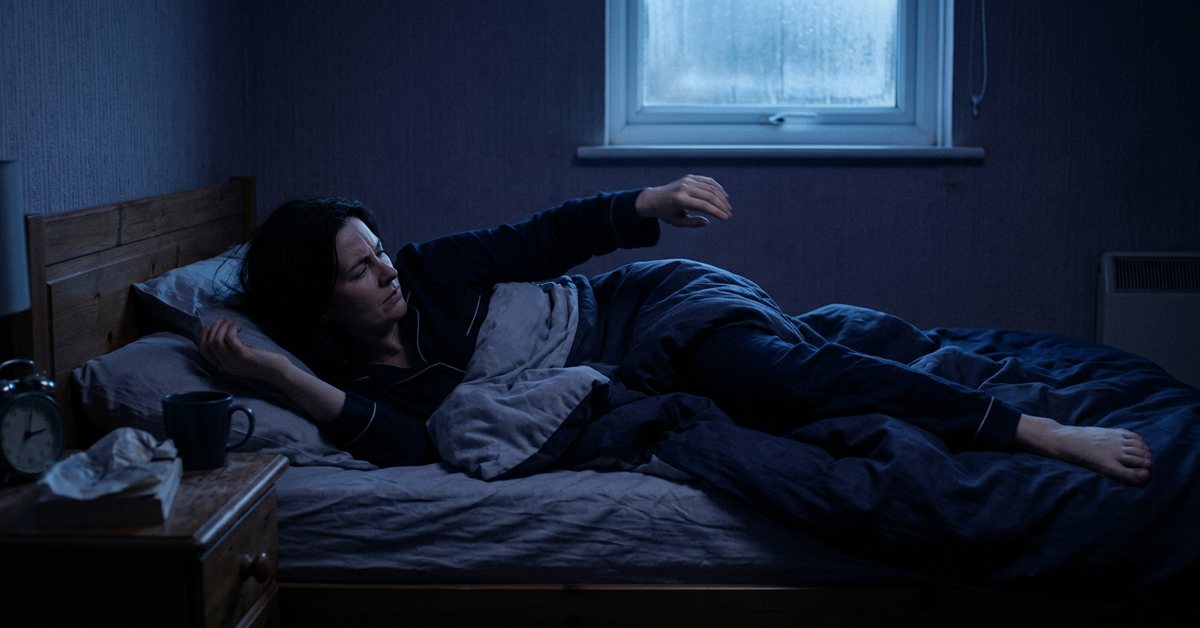
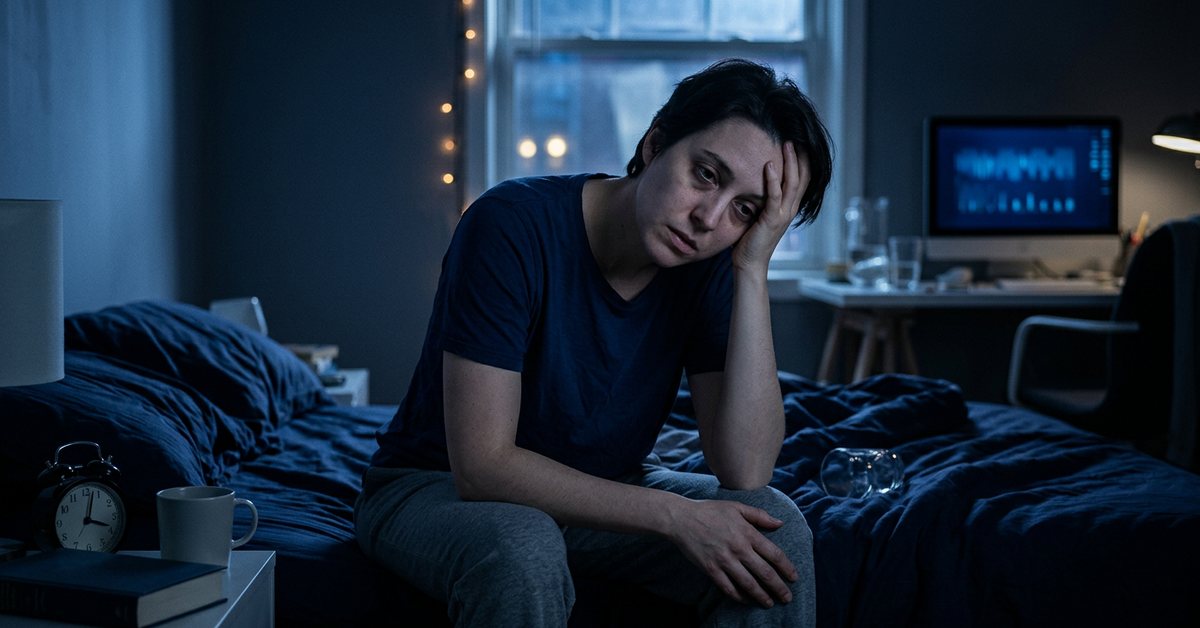
You lie down after a long day, physically exhausted and desperate for rest, yet the moment your head hits the pillow, your mind sparks into high gear. You begin rehashing conversations from three years ago, worrying about tomorrows to-do list, or feeling a strange sense of alertness that defies your tiredness. This frustrating phenomenon is not a failure of willpower; it is a physiological state known as hyperarousal. When you are stressed, your nervous system remains stuck in a sympathetic state, preventing the natural transition into sleep. Instead of the calm descent into slumber facilitated by adenosine and melatonin, your brain is bathed in neurochemicals that keep you vigilant. This article explores the biological mechanisms behind the racing mind, explaining how cortisol and the autonomic nervous system override your sleep drive. By understanding the science of the stress response and the specific ways your brain chemistry reacts to pressure, you can begin to implement evidence-based strategies to quiet the noise. If you have ever wondered why your brain seems to wake up just as the lights go out, this guide will help you navigate the transition from a state of high alert to the restorative rest your body requires.
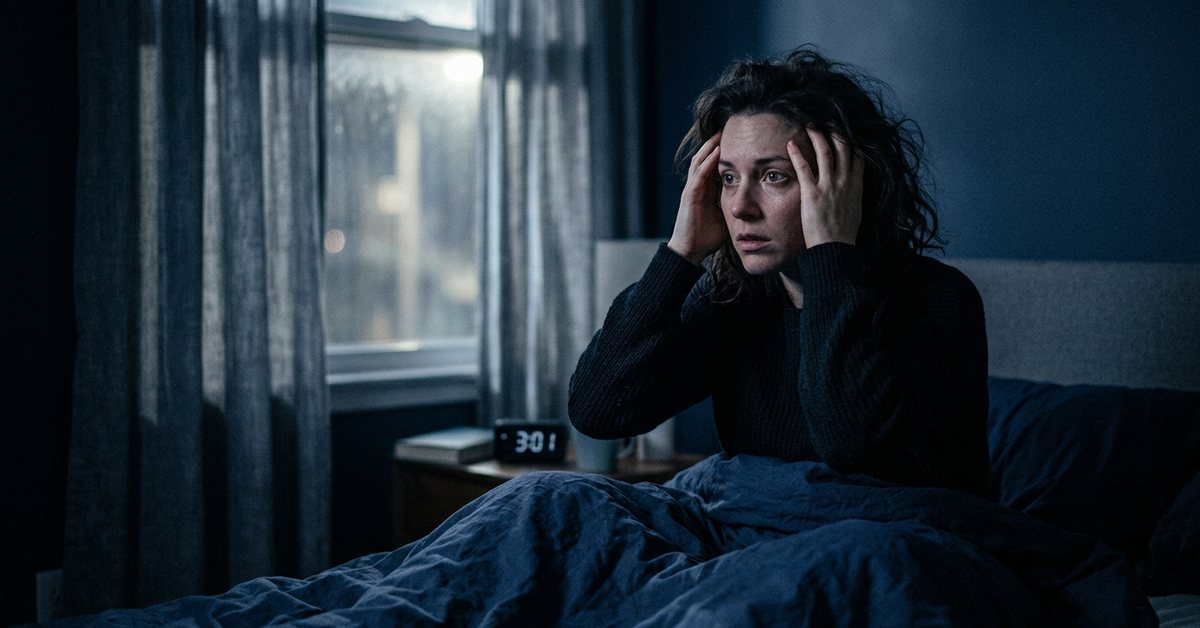
Do you find yourself suddenly awake in the dark, your mind instantly accelerating into a cycle of worry about tomorrow's tasks or yesterday's mistakes? Waking at 3am is a remarkably common experience, yet it feels uniquely isolating when the rest of the world is silent. This phenomenon is not just a sign of stress, but a specific intersection of your body's circadian rhythm and its internal chemistry. As your core body temperature begins to rise and your sleep pressure—driven by the molecule adenosine—reaches a low point, the brain becomes more susceptible to waking. If your nervous system is already in a state of high alert due to daytime anxiety, this natural transition point becomes a gateway for racing thoughts. Instead of drifting back into the restorative REM cycles typical of the early morning, your brain enters a state of hyperarousal, mistaking the low-light environment for a time of threat. By understanding the biological mechanics of the 3am wake-up call, from cortisol fluctuations to blood sugar stability, you can begin to deconstruct the cycle of nocturnal anxiety. This article explores why your mind chooses the early hours to ruminate and provides evidence-based strategies to help you settle back into sleep. If you experience persistent insomnia, please consult a qualified healthcare professional.
You lie awake as the clock ticks toward dawn, calculating interest rate rises or mentally auditing your monthly expenses. If this sounds familiar, you are experiencing the physiological fallout of financial anxiety. While you might feel like you are simply 'thinking', your body is actually responding to a perceived survival threat. Financial instability triggers a persistent activation of the hypothalamic-pituitary-adrenal axis, flooding your system with cortisol and keeping your brain in a state of high alert. This biological state is incompatible with the natural drop in core body temperature and heart rate required for deep, restorative sleep. Instead of transitioning smoothly through sleep cycles, your mind remains hyper-vigilant, trapped in a loop of shallow rest and frequent awakenings. Understanding that your sleeplessness is a predictable biological reaction to stress, rather than a personal failing, is the first step toward regaining control. In this guide, we explore how economic pressure alters your brain chemistry and provide evidence-based strategies to help you disconnect from the balance sheet so your body can finally find the rest it needs. If you are suffering from persistent insomnia, it is important to consult a qualified clinician for professional support.
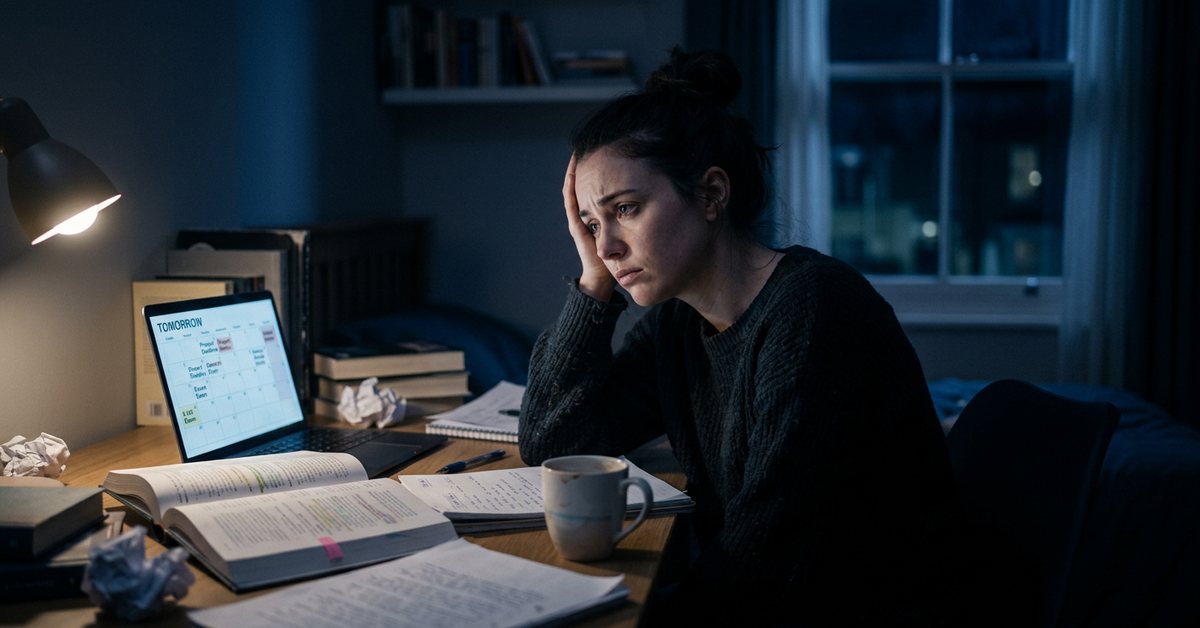
You are lying in the dark, but your mind is already in tomorrow morning's meeting or the examination hall. Every time you close your eyes, you rehearse a presentation, worry about a difficult question, or mentalise a growing to-do list. This phenomenon, often termed 'pre-sleep cognitive arousal', is more than just a lack of willpower; it is a biological hijacking of your nervous system. When you anticipate high-stakes performance, your brain enters a state of hypervigilance that actively suppresses the transition into sleep. By focusing on tomorrow's demands, you trigger a feedback loop where the fear of being tired the next day actually increases your alertness, making rest even more elusive. Understanding the specific mechanism of how your brain prioritises perceived threats over physiological rest is the first step to regaining control. This article explores why the brain refuses to switch off when the stakes are high, the biological role of cortisol and core body temperature in this process, and what the latest sleep science suggests you can do to break the cycle of nighttime overthinking. You do not have to spend your nights performing mental labour; there are proven ways to signal safety to your brain and finally drift off.
Do you find yourself heading to bed at 10 pm on a Monday but staying awake until 2 am on a Friday? This variation, often called social jetlag, does more than just make you feel tired the next day. It fundamentally confuses your internal biological clock, known as the circadian rhythm. Your body relies on consistency to trigger the complex hormonal shifts required for deep, restorative rest. When your schedule shifts constantly, your brain struggles to time the release of melatonin and the reduction of core body temperature, leaving you lying awake despite feeling exhausted. This article explores the science of why your body clock thrives on a rigid routine and how erratic timing interferes with your sleep architecture. You will learn about the relationship between light exposure, adenosine buildup, and the precise timing of cortisol release. By understanding the physiological mechanisms that govern your sleep-wake cycle, you can begin to implement small, sustainable changes to realign your internal rhythm. If you are tired of staring at the ceiling and wondering why your body refuses to shut down, the answer likely lies in the lack of a predictable temporal structure in your daily life.
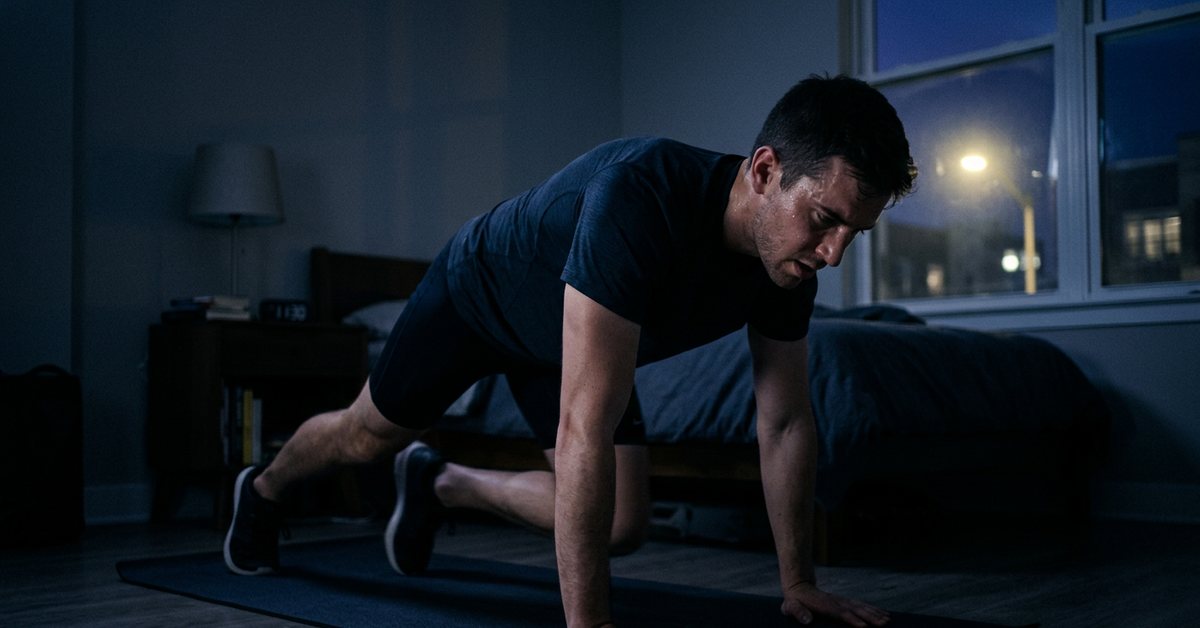
You have likely heard the common advice that physical activity is a pillar of good sleep, yet you may find yourself staring at the ceiling for hours after a late night gym session or a high intensity interval training class. This paradox occurs because timing is just as critical as the activity itself when it comes to your internal biology. When you engage in high intensity exercise too close to your scheduled sleep time, you trigger a physiological cascade that directly opposes the body's natural wind down process. The primary mechanism at play involves your core body temperature and the sympathetic nervous system. While regular movement eventually promotes deeper rest by increasing adenosine levels, the immediate aftermath of a vigorous workout keeps your heart rate elevated and your internal thermostat high. This heat prevents the necessary drop in core temperature that signals to your brain it is time for sleep. By understanding how late night exertion affects your hormones and nervous system, you can adjust your routine to ensure your fitness goals do not come at the expense of your recovery. If you struggle with persistent insomnia, it is important to consult a clinician for personalised support.
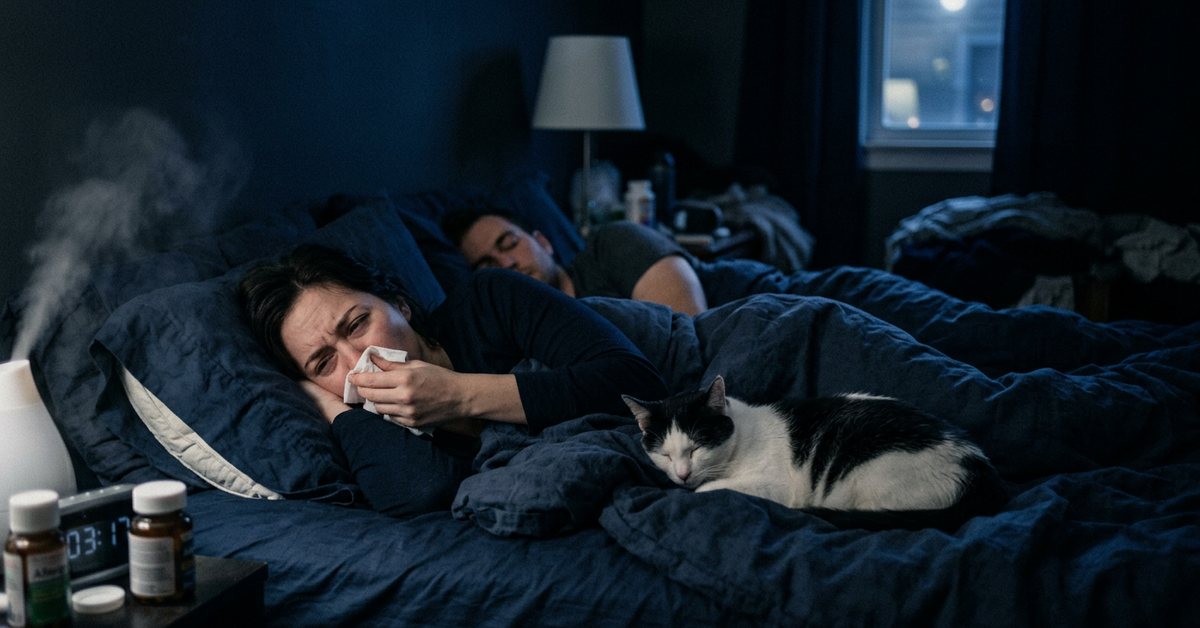
You likely consider your dog or cat a member of the family, and the comfort of their presence can feel like a natural sleep aid. However, sharing your sleeping quarters with a pet introduces a complex set of biological disruptions that could be the hidden cause of your morning fatigue. Beyond the obvious physical movements and noise, your pet acts as a continuous source of environmental allergens, such as dander and pollen trapped in their fur. When you inhale these microscopic particles during the night, your body initiates an immune response, releasing histamine that leads to nasal congestion and airway inflammation. This physiological shift significantly alters your sleep architecture, preventing you from reaching the restorative stages of deep sleep. Even if you do not feel itchy or sneezy, the low-level inflammatory process keeps your sympathetic nervous system on high alert. In this article, we explore how the presence of pets affects your core body temperature and respiratory health, and why your loyal companion might be the reason you are struggling to stay asleep. By understanding the trade-off between emotional comfort and physical rest, you can make informed decisions to reclaim your nighttime vitality.
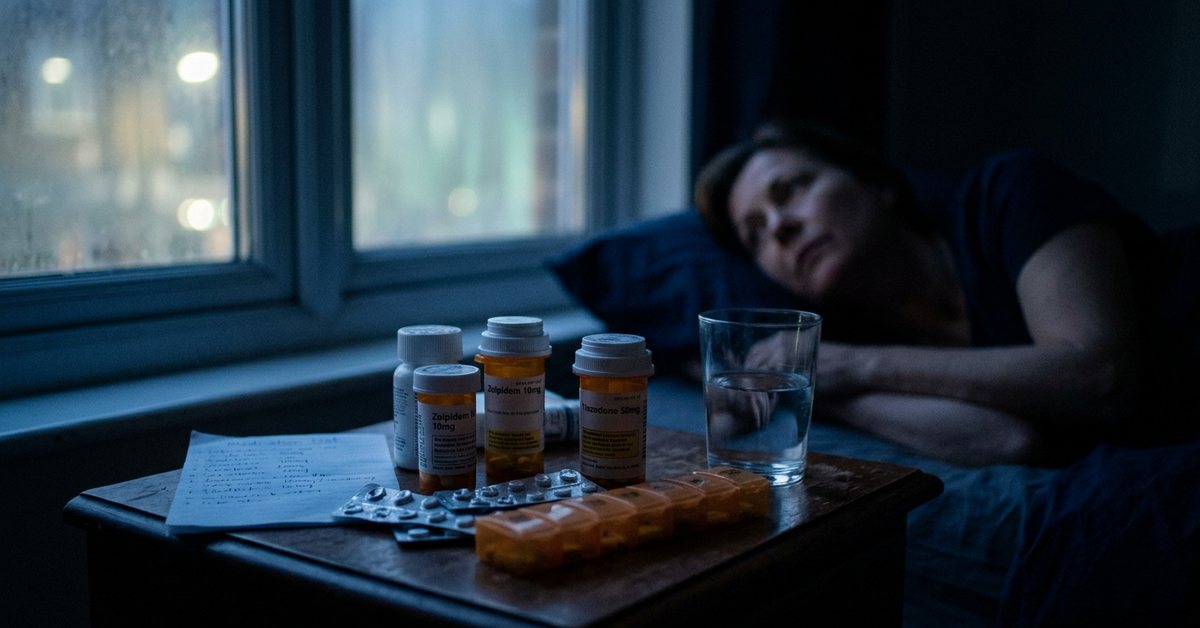
You follow your doctors orders and take your prescriptions exactly as directed, yet you find yourself staring at the ceiling at 3:00 am night after night. It is a frustrating paradox: the very treatments intended to improve your health might be the primary reason you cannot rest. Many common medications for blood pressure, asthma, and even depression contain compounds that directly conflict with your brains natural sleep signals. These drugs can interfere with your internal clock by suppressing melatonin production, blocking the build up of adenosine, or artificially elevating your core body temperature. When these biological levers are pushed at the wrong time, your brain remains in a state of high alert despite your physical exhaustion. Understanding the chemical relationship between your medicine cabinet and your mattress is the first step toward reclaiming your nights. In this guide, we explore the specific classes of drugs known to cause insomnia and fragmented sleep, the biological mechanisms they disrupt, and how you can work with your healthcare provider to find a balance that supports both your recovery and your rest. If you have been struggling with persistent insomnia, always consult a clinician before making any changes to your prescribed regimen.
Why Horror Movies Before Bed Cause Sleep Disturbing Hyperarousal
Do you find yourself lying wide awake after a late night horror marathon, jumping at every creak in the floorboards? While you might enjoy the adrenaline rush of a slasher film or a psychological thriller, your brain often struggles to distinguish between a fictional threat on screen and a real danger in your living room. This common phenomenon is known as hyperarousal, a state of heightened psychological and physiological tension that directly opposes the relaxation required for sleep. When you watch frightening content, your body initiates a primitive fight or flight response, flooding your system with stress hormones like cortisol and adrenaline. This biological reaction increases your heart rate and sharpens your senses, effectively slamming the brakes on your natural sleep cycle. Even if you feel mentally brave, your autonomic nervous system is working overtime to keep you alert. In this article, we explore how screen based scares disrupt your internal chemistry, why your brain stays on high alert long after the credits roll, and how you can reclaim your evening peace. By understanding the concrete mechanism of the stress response and its impact on your sleep architecture, you can make better choices for your nightly routine and finally get the rest you deserve.
Watching scary horror movies before bed and hyperarousal. Images and Photos created by www.why-cant-sleep.com
When you settle in to watch a horror movie, you are intentionally exposing yourself to stimuli designed to trigger fear. The human brain is remarkably adept at processing visual and auditory cues that signal danger, such as high pitched screams, sudden movements, or dissonant music. Even though your conscious mind knows the movie is a work of fiction, the deeper, more primitive parts of your brain, specifically the amygdala, react as if the threat is physical and immediate. This results in an instantaneous activation of the sympathetic nervous system.
This activation is commonly referred to as the fight or flight response. Once triggered, it sets off a cascade of physiological changes designed to help you survive a life threatening encounter. Your pupils dilate to let in more light, your muscles tense in preparation for action, and your heart rate accelerates to pump oxygenated blood to your limbs. While these reactions were essential for our ancestors facing predators, they are entirely counterproductive when your goal is to drift off into a peaceful slumber in a safe bedroom.
Hormonal shifts and sleep interference
The primary biological mechanism behind horror induced insomnia involves the HPA axis, or the hypothalamic pituitary adrenal axis. When the amygdala senses fear, it signals the hypothalamus to release hormones that eventually prompt the adrenal glands to secrete cortisol and adrenaline. Adrenaline provides an immediate burst of energy and alertness, while cortisol, often called the stress hormone, helps maintain that state of high vigilance. Elevated levels of these hormones are the direct antithesis of the neurochemistry needed for sleep.
Under normal conditions, your cortisol levels should drop significantly in the evening to allow melatonin, the sleep hormone, to take over. However, the hyperarousal caused by scary content keeps cortisol levels unnaturally high. This hormonal imbalance suppresses the release of melatonin and keeps your core body temperature elevated. Since a drop in core body temperature is a necessary biological signal for the onset of sleep, the heat generated by a stress response can keep you tossing and turning for hours as your body struggles to cool down and recalibrate.
Impact on sleep architecture and REM
Beyond the difficulty of falling asleep, known as sleep onset latency, horror movies can significantly alter your sleep architecture. Sleep is not a uniform state but a series of cycles involving light sleep, deep slow wave sleep, and Rapid Eye Movement (REM) sleep. High levels of stress and anxiety before bed often lead to fragmented sleep, where you wake up multiple times throughout the night. This prevents you from spending enough time in the restorative deep sleep stages necessary for physical repair and cognitive function.
REM sleep, the stage most associated with vivid dreaming and emotional processing, is particularly sensitive to pre sleep anxiety. Research suggests that when you go to bed in a state of hyperarousal, you are more likely to experience nightmares or trauma themed dreams as your brain attempts to process the frightening imagery you consumed earlier. This can lead to a secondary cycle of fear where you become anxious about the act of falling asleep itself, further entrenching the insomnia.
What the scientific research shows
Scientific literature has long documented the link between media consumption and sleep quality. A study by Garrison et al. (2011) in the journal Pediatrics highlighted how violent or age inappropriate media exposure significantly increases the risk of sleep disturbances, noting that the emotional arousal generated by such content is a primary driver of insomnia. While often studied in children, the neurological pathways for fear and arousal remains active and reactive throughout adulthood.
Further research by Weaver et al. (2011) in the journal Health Communication explored how individual differences in fear responses to mass media can lead to prolonged physiological arousal. Their findings suggest that for many individuals, the lingering thoughts and 'mental rehearsal' of scary scenes contribute to cognitive hyperarousal. Additionally, a study by Excellence et al. (2007) in the Journal of Youth and Adolescence found that even passive exposure to frightening media correlates with increased sleep onset latency and reduced total sleep time due to the persistence of the physiological stress response.
Cognitive pre sleep arousal
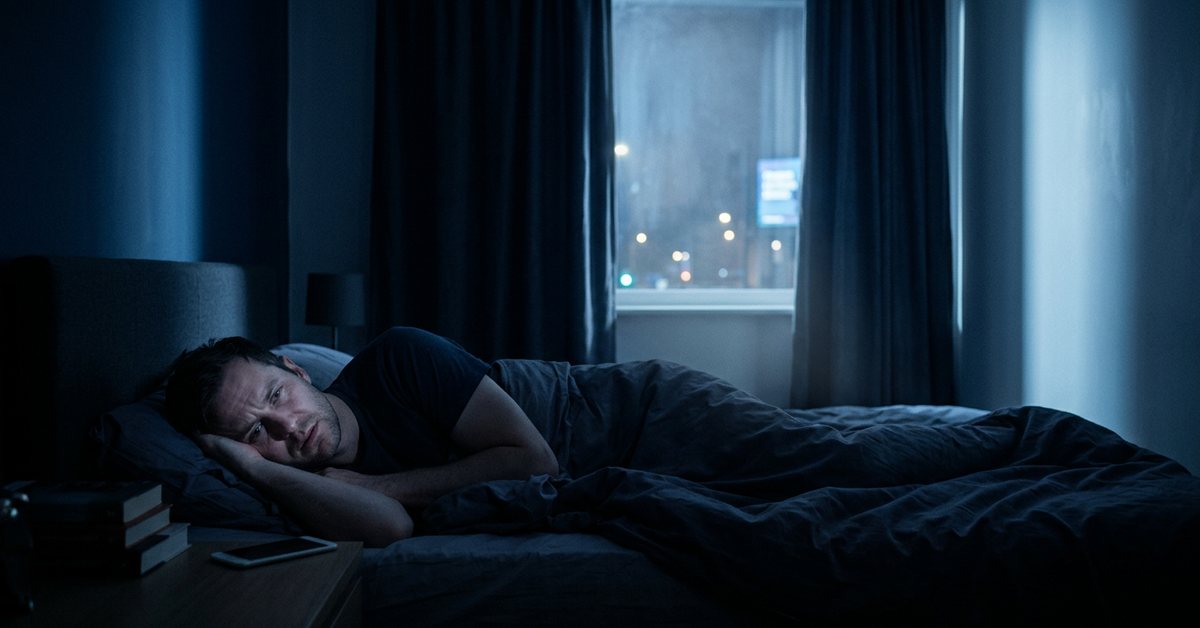
It is not just the physical sensations that keep you awake; it is the cognitive persistence of the imagery. Horror movies often use psychological hooks that stay with the viewer, such as the fear of the unknown or the violation of a safe space like a home. This leads to 'cognitive pre sleep arousal', where the mind uncontrollably replays scenes or imagines similar threats in one's own environment. This mental activity keeps the brain's histamine levels high, a neurotransmitter that promotes wakefulness and keeps the cortex active.
When the brain is in this state, it is hyper vigilant to environmental sounds. A house settling or a wind gust against the window, which would normally be ignored, is instead interpreted as a potential threat. This heightened sensitivity makes it nearly impossible for the brain to transition into the thalamic down regulation required to enter the first stage of sleep. You remain in a state of 'quiet wakefulness' where the body is still, but the mind is scanning for danger.
Cognitive pre sleep arousal, illustrated. Images and Photos created by www.why-cant-sleep.com
It is important to remember that the medium itself contributes to the problem. Watching a horror movie on a high definition television, tablet, or smartphone exposes you to significant amounts of blue light. Blue light inhibits the production of melatonin by stimulating the melanopsin containing ganglion cells in the retina. This sends a signal to the suprachiasmatic nucleus in the brain that it is still daylight, effectively pushing back your internal circadian clock.
When you combine the melatonin suppressing effects of blue light with the cortisol boosting effects of a scary plot, you create a perfect storm for insomnia. The brain receives a double signal to stay awake: one from the light and one from the fear. This is why even a 'familiar' horror movie that you have seen before can still disrupt your sleep, as the light exposure alone is enough to interfere with your natural sleep wake cycle.
Practical steps to take instead
If you want to protect your sleep, the most effective strategy is to implement a 'digital sunset' and a 'content curfew'. Avoid any high arousal media, especially horror or intense thrillers, at least two hours before you intend to sleep. Instead, opt for low arousal activities that promote the parasympathetic nervous system. Reading a physical book (not an e-reader), practicing gentle stretching, or listening to calming music can help signal to your brain that the environment is safe and it is time to wind down.
If you have already watched something scary and find yourself unable to sleep, do not stay in bed tossing and turning. This can lead to a negative association between your bed and anxiety. Get out of bed, go to a different room with dim lighting, and engage in a repetitive, boring task like folding laundry or doing a jigsaw puzzle until you feel naturally sleepy. This helps to lower your heart rate and distract your mind from the frightening imagery, allowing your cortisol levels to return to baseline.
Seeking professional guidance
While occasional sleep disruption after a movie is normal, chronic difficulty sleeping may indicate an underlying issue. If you find that you are frequently hyperaroused at night or if your insomnia persists despite changing your media habits, it is important to speak with a healthcare professional. Persistent insomnia can have significant impacts on your long term health, mood, and cognitive performance.
A clinician can help you determine if your sleep issues are related to anxiety, a sleep disorder, or lifestyle factors. They can provide evidence based treatments such as Cognitive Behavioural Therapy for Insomnia (CBT-I), which is highly effective for managing the racing thoughts and hyperarousal that prevent rest. Never ignore long term sleep deprivation, as your body needs consistent, quality rest to function at its best.
What to try tonight
01Stop watching high arousal or scary content at least two hours before bed.
02Dim the lights in your home an hour before sleep to encourage melatonin production.
03If you feel anxious, practice deep diaphragmatic breathing to lower your heart rate.
04Switch to calming, low stakes media like nature documentaries if you must use a screen.
05Use a physical book or a podcast rather than a bright screen for evening entertainment.
06Keep your bedroom a tech free zone to prevent the temptation of late night viewing.
1. Garrison et al. (2011). Media Use and Child Sleep: The Role of Content, Timing, and Environment. Pediatrics.
2. Weaver et al. (2011). The Role of Frightening Entertainment in the Sleep Quality of Young Adults. Health Communication.
3. Excellence et al. (2007). The Impact of Media Violence on Sleep Patterns and Nightmares. Journal of Youth and Adolescence.
This page is general information, not medical advice. If sleeplessness persists for more than a few weeks, please speak with a doctor or a sleep clinician.