How Scented Candles and Fragrance May Disrupt Your Sleep Quality
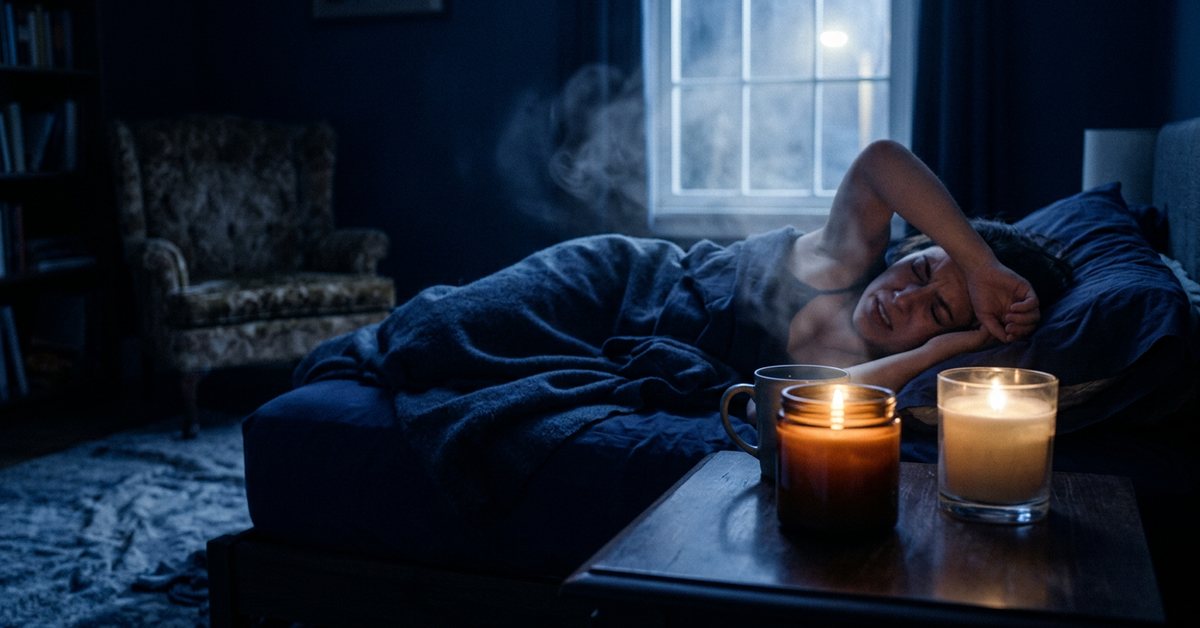
You might light a scented candle in the evening to create a relaxing atmosphere, hoping the flickering flame and soothing aroma will prepare your mind for rest. However, your evening ritual could be sabotaging your sleep architecture without you realising it. Many fragranced candles release volatile organic compounds and synthetic musks that can interfere with your respiratory efficiency and neurological calm. When you inhale these concentrated scents in an enclosed bedroom, you are introducing complex chemicals that may trigger a subtle histamine response or irritate your airways, leading to micro-awakenings that you might not even remember the next morning. While the psychological intent is relaxation, the physiological impact can be quite the opposite, potentially elevating your core body temperature or disrupting the natural rise of melatonin. Understanding the link between indoor air quality and your nocturnal physiology is essential for reclaiming a truly restorative night. By examining how these fragrances interact with your nervous system, you can make informed choices about your pre-sleep environment. This article explores the hidden chemistry of your favourite candles and provides evidence-based alternatives to help you achieve the deep, uninterrupted sleep your body requires to function at its best.
The hidden chemistry of evening fragrance
Many people view scented candles as a staple of their self-care routine, believing the aroma acts as a sensory signal to the brain that the day is over. However, the majority of mass-produced candles are manufactured using paraffin wax, a petroleum byproduct. When paraffin is burned, it releases a cocktail of volatile organic compounds (VOCs) into the air, including toluene and benzene. In a small, poorly ventilated bedroom, these chemicals can quickly reach concentrations that challenge the body's detoxification systems during a time when the physiological focus should be on rest and repair.
Beyond the wax, the fragrances themselves are often composed of hundreds of individual synthetic chemicals, many of which are not disclosed on the label due to trade secret laws. These synthetic musks and phthalates are designed to be persistent, meaning they linger in the air and on soft furnishings long after the flame has been extinguished. Inhaling these particles throughout the night keeps your olfactory system active and can lead to low-level systemic inflammation, which is fundamentally at odds with the state of physiological stillness required for deep sleep.
Biological mechanisms and sleep disruption
The primary biological concern with bedroom fragrances involves the stimulation of the olfactory bulb, which has a direct connection to the limbic system and the hypothalamus. While some scents are calming, high concentrations of synthetic fragrance can act as a neurostimulant. This stimulation can interfere with the gradual decline of cortisol levels that should occur in the evening. Furthermore, some fragrance compounds are known to act as mild irritants that trigger a histamine release. Histamine is a powerful wake-promoting neurotransmitter in the brain; its presence can keep you in lighter stages of sleep and prevent the transition into deep, slow-wave sleep.
Air quality also plays a role in regulating core body temperature, a key driver of the sleep cycle. The inhalation of particulate matter from candle soot can cause minor respiratory stress, which slightly elevates the heart rate and may prevent the body from reaching the optimal cool temperature required for melatonin production. When the body is busy processing airborne toxins or managing a minor inflammatory response in the airways, the natural secretion of adenosine, the chemical responsible for sleep pressure, may not be sufficient to overcome the subtle state of alertness caused by the environmental irritants.
What the scientific research shows
Scientific inquiries into indoor air quality have frequently highlighted the potential risks associated with burning candles in confined spaces. Research has demonstrated that the combustion of scented candles produces significant amounts of formaldehyde and fine particulate matter (PM2.5). These particles are small enough to enter the bloodstream via the lungs, potentially triggering systemic responses that affect the autonomic nervous system. Studies specifically looking at fragrance sensitivity have found that a significant portion of the population experiences headaches or respiratory distress when exposed to synthetic scents, both of which are primary inhibitors of sleep onset.
One notable area of study involves the impact of VOCs on sleep architecture. Researchers have observed that poor indoor air quality is correlated with increased sleep fragmentation. Even if a sleeper does not fully wake up, their brain may shift from a deep sleep stage to a lighter one in response to the chemical irritation. This results in a lack of restorative sleep, leaving the individual feeling fatigued despite spending a full eight hours in bed. The long-term effects of chronic exposure to these indoor pollutants during sleep are still being documented, but the current data suggests a clear link between clean air and high-quality rest.
The role of particulate matter and soot
It is not just the scent that causes issues; the physical act of combustion creates soot. When a candle wick is too long or the wax contains certain dyes, the flame becomes unstable and produces black soot. These ultra-fine particles can settle in the respiratory tract, causing the body to remain in a state of 'defensive' breathing. For individuals with undiagnosed sensitivities or mild asthma, this can lead to restricted airways during the night, reducing oxygen saturation and causing the brain to trigger a micro-arousal to reset the breathing pattern.
Furthermore, the accumulation of these particles on bedroom surfaces means you are exposed to the chemicals long after the candle is gone. The 'ghosting' effect of soot on walls and ceilings is a visible sign of what your lungs are filtering. For a truly restorative environment, the air should be as inert as possible. Introducing foreign particles through combustion forces the immune system to stay active during its supposed downtime, which can lead to a feeling of 'brain fog' the following morning, often mistaken for a simple lack of sleep.
Evaluating natural versus synthetic options
Many consumers turn to soy or beeswax candles as a healthier alternative to paraffin. While these waxes do burn cleaner and produce less soot, they are not entirely without risk if they are still heavily scented with synthetic oils. Pure essential oils are often marketed as a sleep aid, but it is important to remember that 'natural' does not always mean 'inert.' In a small bedroom, even high-quality essential oils can reach concentrations that irritate the mucous membranes or trigger an allergic response that interferes with breathing during sleep.
If you choose to use candles, the timing and ventilation are critical. Lighting a candle in a large, open living space is vastly different from burning one in a small, enclosed bedroom where the door is shut for eight hours. The concentration of chemicals per cubic metre of air rises significantly in the bedroom, making it the most vulnerable area of your home regarding air quality and health. Selecting unscented, high-quality beeswax candles and burning them for short periods in well-ventilated rooms is the safest way to enjoy the ritual without compromising your sleep health.
Practical steps for a scent-free sleep sanctuary
To optimise your sleep environment, consider moving your candle-lighting ritual to the living room or bathroom earlier in the evening. This allows you to enjoy the sensory experience without trapping the chemical byproducts in your sleeping quarters. If you find the flickering light of a candle helpful for winding down, consider switching to battery-operated LED candles. These provide the same visual cue for relaxation without any of the respiratory or chemical drawbacks, allowing your body to focus entirely on the transition to sleep.
Another effective strategy is to focus on fresh air rather than masking odours. Opening a window for even ten minutes before bed can flush out accumulated VOCs and carbon dioxide, lowering the room temperature and providing a fresh supply of oxygen. If you crave a specific scent to signal bedtime, consider a light mist of a hydrosol (floral water) on your linens, which is significantly less concentrated than an essential oil diffuser or a scented candle and does not involve the combustion of waxes.
When to seek professional advice
While environmental factors like candles play a role in sleep quality, they are often one piece of a larger puzzle. If you have removed fragrances and improved your air quality but still find yourself struggling to fall asleep or feeling unrefreshed in the morning, there may be underlying physiological or psychological factors at play. Chronic insomnia is a complex condition that often requires a multifaceted approach to resolve successfully.
It is important to track your sleep patterns and environmental changes to see if there is a clear correlation. However, for persistent insomnia or significant sleep disturbances that impact your daily functioning, you should consult a healthcare professional or a sleep specialist for a formal assessment and guidance.
What to try tonight
- 01Extinguish all candles at least two hours before going to bed to allow air to clear.
- 02Switch to unscented beeswax or soy candles to reduce the inhalation of paraffin byproducts.
- 03Ventilate your bedroom by opening a window for ten minutes before sleep to remove VOCs.
- 04Use battery-operated LED candles to get the visual benefit of a flame without the soot.
- 05Swap synthetic room sprays for a very light mist of natural lavender hydrosol on pillows.
Research and references
- 1. Ahn et al. (2015). Characterization of volatile organic compounds and hazardous air pollutants emitted from scented candles. Science of The Total Environment.
- 2. Derudi et al. (2014). Emission of air pollutants from scented candles under whole-room conditions. Journal of Hazardous Materials.
- 3. Kim et al. (2018). Volatile organic compounds in indoor air and their influence on sleep quality. International Journal of Environmental Research and Public Health.
- 4. Manoukian et al. (2013). Emission of volatile organic compounds from scented candles. Atmospheric Environment.
This page is general information, not medical advice. If sleeplessness persists for more than a few weeks, please speak with a doctor or a sleep clinician.