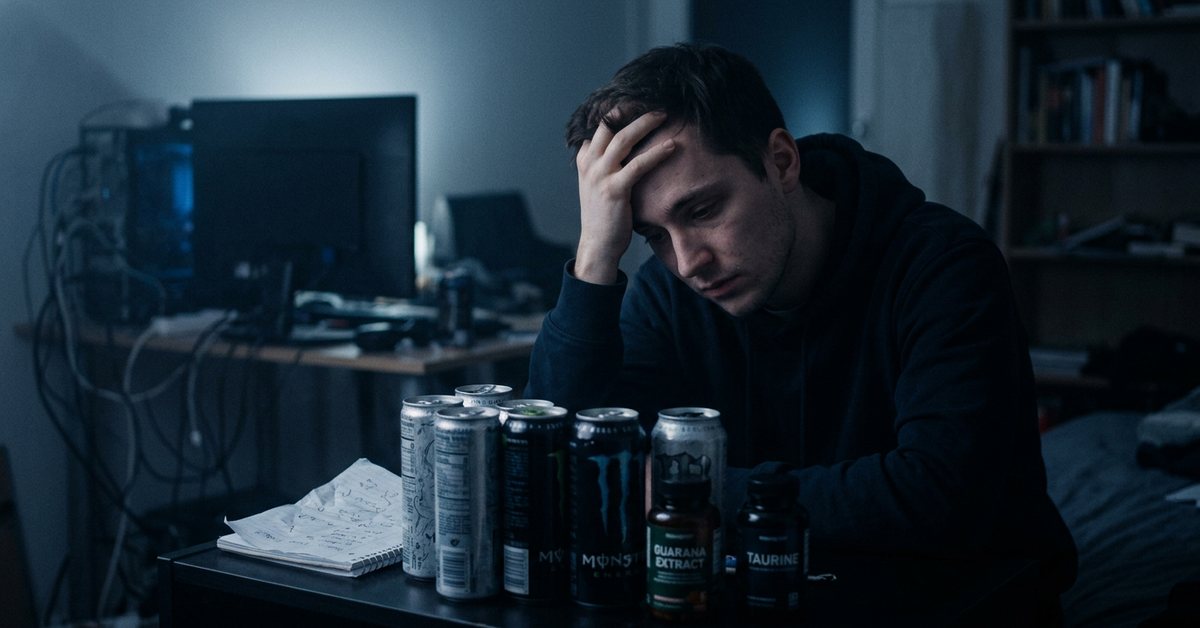
The Science of Why Alcohol Ruins Second Half Sleep Quality
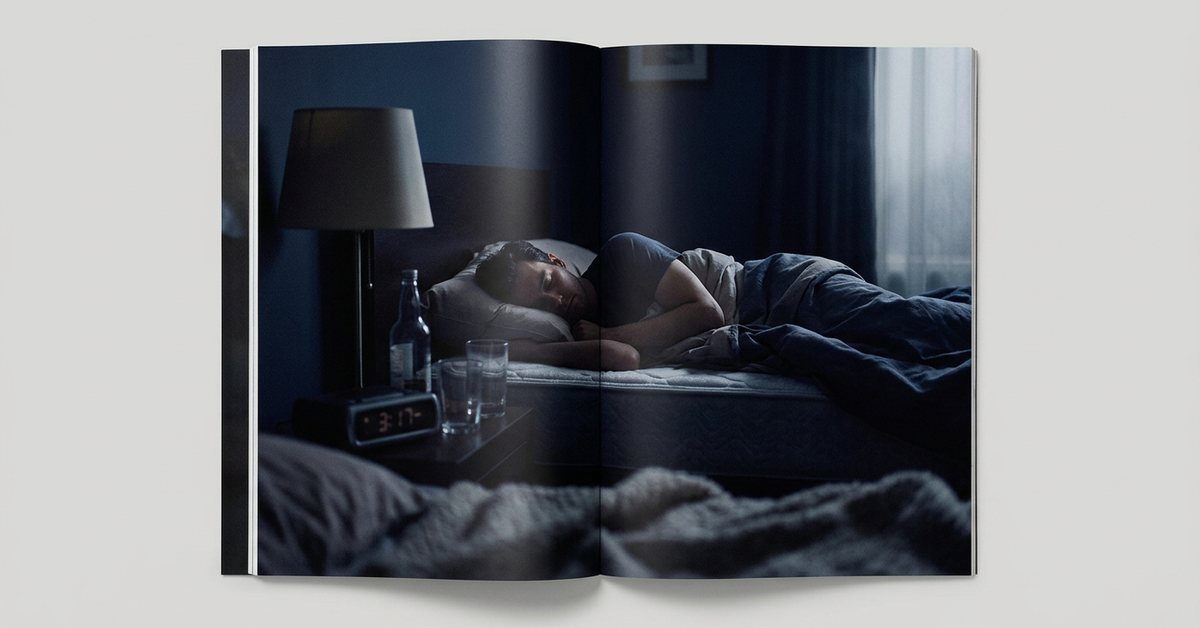
You might feel that a glass of wine or a nightcap is the perfect sedative to help you drift off after a long day. While it is true that alcohol is a central nervous system depressant that can shorten the time it takes to fall asleep, the internal cost is high. As your liver metabolises the ethanol, your body undergoes a process known as the rebound effect. This shift transforms your rest from a deep slumber into a fragmented, shallow state during the second half of the night. You may find yourself waking up suddenly at 3:00 AM, feeling dehydrated and restless, unable to return to a meaningful level of REM sleep. This occurs because the initial sedative effect wears off, replaced by a surge in sympathetic nervous system activity and a drop in blood sugar. Understanding this biological mechanism is the first step toward reclaiming your morning energy. In this article, we explore how alcohol disrupts your core body temperature and interferes with vital sleep architecture, ensuring that even if you were unconscious for eight hours, you wake up feeling utterly unrefreshed. If you struggle with persistent insomnia, please consult a qualified clinician for personalized support.
The Sedative Illusion
Many people turn to alcohol as a sleep aid because of its immediate ability to induce drowsiness. Alcohol interacts with gamma-aminobutyric acid (GABA) receptors in the brain, which are responsible for inhibiting neural activity. This creates a feeling of relaxation and reduces the time it takes to fall into a light sleep. However, this initial period of sedation is chemically induced and does not mimic the natural progression of a healthy sleep cycle.
Because alcohol is a toxin, your body prioritises its metabolism over restorative processes. While you may fall asleep quickly, the quality of that sleep is significantly compromised from the moment you close your eyes. The brain focuses on processing the ethanol, which suppresses the normal transitions between sleep stages. This sets the stage for a dramatic shift in physiology once the alcohol levels in your bloodstream begin to decline.
The Rebound Effect and Fragmentation
The most disruptive aspect of nocturnal alcohol consumption occurs in the second half of the night, typically three to five hours after your last drink. As the liver breaks down ethanol, the sedative effect disappears and is replaced by what researchers call the rebound effect. This is a compensatory response where the body attempts to regain homeostasis by increasing stimulation in the nervous system, leading to frequent micro-awakenings.
During this phase, your sleep becomes shallow and easily interrupted. You are more likely to transition from deep sleep into Stage 1 sleep or full wakefulness. This fragmentation means that even if you remain in bed for a full eight hours, the actual continuity of your sleep is broken. This is why you might wake up feeling as though you have barely slept at all, despite being unconscious for the majority of the night.
Disruption of REM Sleep Architecture
Alcohol is particularly notorious for its impact on Rapid Eye Movement (REM) sleep. In the first half of the night, alcohol almost entirely suppresses REM cycles. Because the body has a biological drive for this specific type of sleep, it attempts to catch up during the second half of the night. This leads to an intense period of REM rebound, which is often associated with vivid, stressful dreams or night sweats.
REM sleep is crucial for emotional regulation, memory consolidation, and cognitive function. When alcohol forces the brain to cram all its REM activity into the final hours of the night, the sleep is less restorative and more taxing on the brain. This imbalance in sleep architecture leaves you feeling groggy and mentally foggy the next morning, a condition often referred to as a sleep hangover.
Metabolic and Thermoregulatory Changes
Beyond its effect on brain waves, alcohol interferes with your body's internal thermostat. Usually, your core body temperature drops as you enter deep sleep, which is a signal for the body to remain at rest. Alcohol causes vasodilation, which makes you feel warm initially but actually leads to a rise in core temperature later in the night. This thermal instability is a frequent cause of middle-of-the-night waking.
Additionally, alcohol affects blood sugar regulation and hormone release. It can inhibit the release of antidiuretic hormone, leading to increased bathroom trips that further fragment your rest. It also increases levels of cortisol and adrenaline during the second half of the night. This surge in stress hormones makes your heart rate rise and prevents you from returning to a deep, peaceful state of slumber.
What the Scientific Research Shows
Extensive clinical research confirms that the impact of alcohol on sleep is dose-dependent. Even small amounts of alcohol can reduce sleep quality by up to 24 percent, while high intake can reduce it by nearly 40 percent. A landmark study by Ebrahim et al. (2013) reviewed decades of data to conclude that while alcohol may help people fall asleep, it consistently robs them of REM sleep and increases wakefulness during the later hours.
Research by Thakkar et al. (2015) highlighted the role of adenosine, a chemical that builds up in the brain to signal sleepiness. Alcohol increases adenosine levels, causing that initial sleepiness, but once these levels drop off rapidly, the body experiences a sudden wake-up call. Further studies by Colrain et al. (2014) have shown that the aging brain is even more susceptible to these disruptions, making the nightcap particularly problematic for older adults.
Long Term Consequences of Alcohol Use for Sleep
Relying on alcohol to manage sleep can lead to a vicious cycle. As the body develops a tolerance to the sedative effects, individuals often increase their intake to achieve the same initial results. This escalation further damages sleep architecture and can lead to chronic insomnia. Over time, the lack of restorative REM and deep sleep can contribute to weakened immunity, cardiovascular issues, and mood disorders.
Chronic fragmentation of sleep also impairs the glymphatic system, which is the brain's waste clearance mechanism. This system is most active during deep, uninterrupted sleep. When alcohol breaks the continuity of your rest, it prevents the brain from effectively clearing out metabolic waste, which may have long-term implications for neurological health and cognitive decline.
Practical Strategies for Better Rest
If you choose to drink, the most effective way to protect your sleep is to implement a buffer zone. Aim to finish your last drink at least three to four hours before you plan to go to bed. This gives your liver time to process the majority of the ethanol before your sleep cycles begin, reducing the intensity of the second-half rebound effect.
Hydration and moderation are also key. Drinking water alongside alcohol can help mitigate dehydration and the resulting spikes in heart rate. Opting for lower-alcohol alternatives or smaller servings can significantly reduce the metabolic load on your body. Replacing the evening ritual of a drink with a non-alcoholic herbal tea or a magnesium supplement may provide the relaxation you seek without the physiological cost.
Conclusion
While alcohol is a socially common tool for relaxation, its biological cost to sleep is undeniable. By understanding that the initial sedation is followed by a predictable period of fragmentation, you can make more informed choices about your evening habits. Prioritising natural sleep architecture over chemically induced drowsiness is essential for long-term health and daily performance.
Persistent difficulty with sleep should not be ignored or self-medicated with alcohol. If you find that you cannot sleep even after reducing your alcohol intake, it is important to see a clinician for a professional assessment. Addressing the root causes of insomnia is the only way to ensure your body gets the restorative rest it truly needs.
What to try tonight
- 01Finish your last alcoholic drink at least four hours before bedtime.
- 02Alternate every alcoholic beverage with a full glass of water.
- 03Limit consumption to one standard drink to minimize REM suppression.
- 04Monitor your heart rate and sleep quality using a wearable tracker to see the direct impact.
- 05Establish a non-alcoholic wind-down routine like reading or a warm bath.
Research and references
- 1. Ebrahim et al. (2013). Alcohol and Sleep I: Effects on Normal Sleep. Alcoholism: Clinical and Experimental Research.
- 2. Thakkar et al. (2015). Alcohol disrupts sleep homeostasis. Alcohol.
- 3. Colrain et al. (2014). Alcohol and the Sleeping Brain. Handbook of Clinical Neurology.
- 4. Park et al. (2015). The Effects of Alcohol on Quality of Sleep. Korean Journal of Family Medicine.
This page is general information, not medical advice. If sleeplessness persists for more than a few weeks, please speak with a doctor or a sleep clinician.