How Matcha Green Tea Powder Impacts Your Late Night Alertness
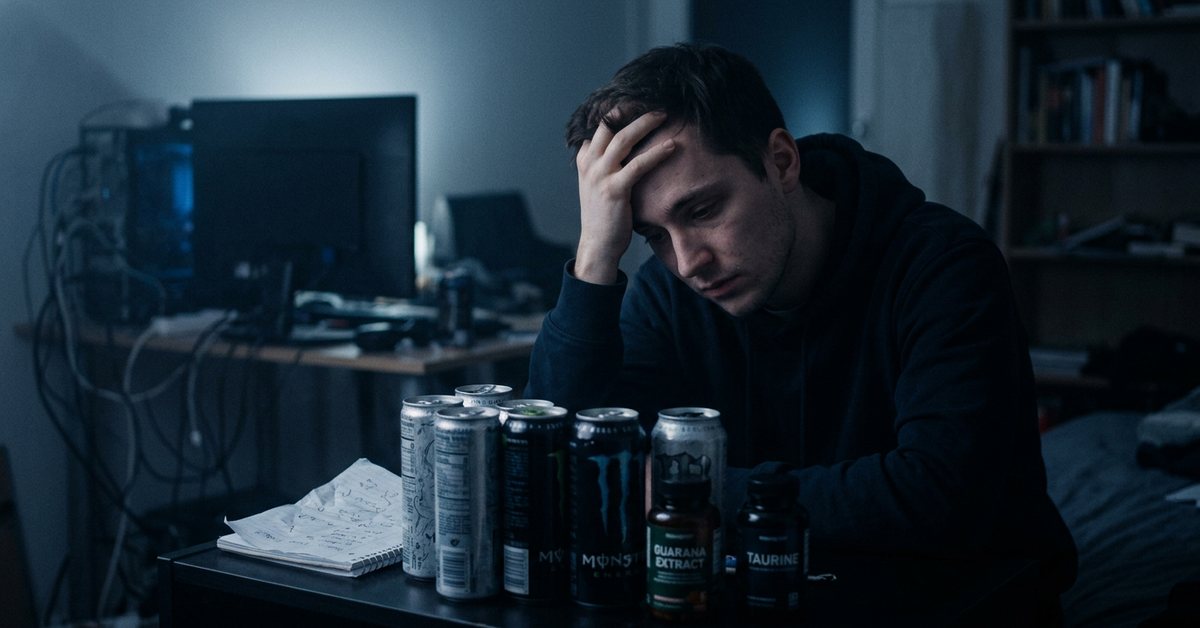
You might have switched to Japanese matcha powder thinking its vibrant green hue and high antioxidant profile make it a gentle alternative to coffee. However, if you find yourself staring at the ceiling at 2:00 AM, that whisked bowl of ceremonial tea may be the culprit. Matcha is unique because it contains the entire ground tea leaf, meaning you ingest a higher concentration of caffeine compared to steeped tea. This article explores the biological mechanism of how matcha interacts with your adenosine receptors, the chemical signals that tell your brain it is time to rest. While matcha contains l-theanine, an amino acid known for promoting relaxation, the stimulating effects of the caffeine often win the battle for your central nervous system when consumed too late in the afternoon. Understanding the half-life of these compounds is essential for protecting your sleep architecture and ensuring your deep sleep cycles remain uninterrupted. We dive into the science of why this ancient beverage can keep you wired, how it alters your core body temperature, and what you can do to enjoy your tea without sacrificing your precious hours of recovery. If you are struggling with persistent insomnia, please consult a qualified clinician for professional guidance.
The Rise of Matcha and Midnight Wakefulness
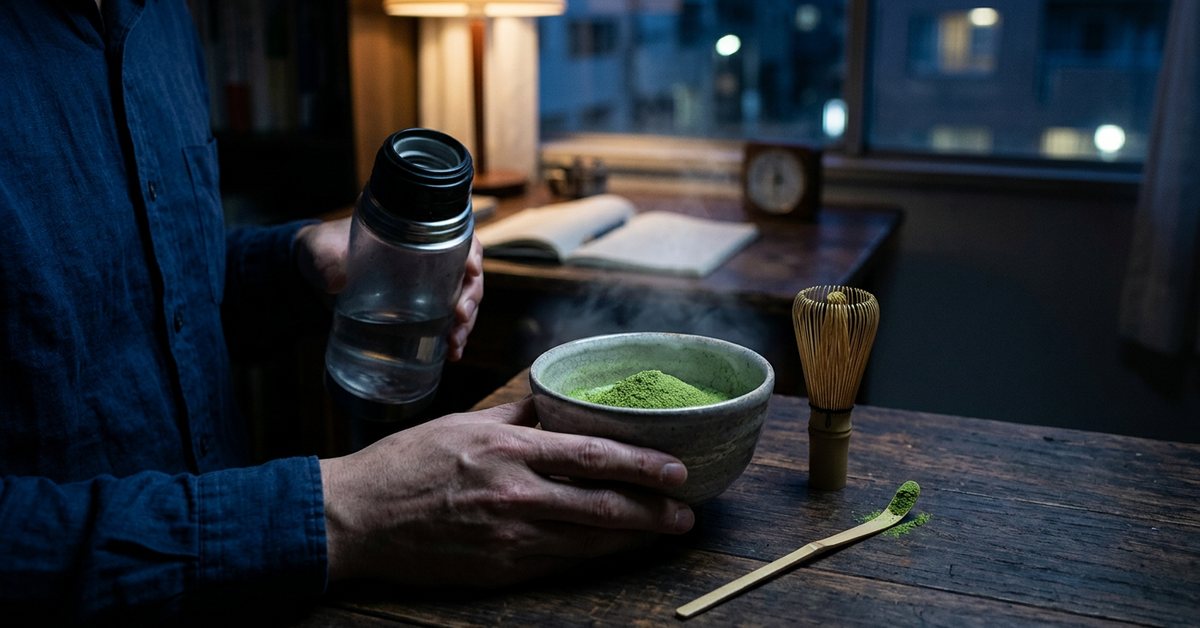
Matcha has transitioned from a traditional Japanese ceremony staple to a global wellness phenomenon. Unlike standard green tea, where leaves are steeped and discarded, matcha involves grinding the entire leaf into a fine powder and whisking it into water. This means every sip delivers a potent dose of the plant's active compounds. While the health benefits are frequently celebrated, the implications for sleep hygiene are often overlooked by those seeking a midday energy boost.
Many people turn to matcha as a supposedly calmer alternative to espresso, yet the concentration of caffeine can be surprisingly high. Depending on the grade and preparation, a single serving of matcha can contain anywhere from 30 to 70 milligrams of caffeine. Because the powder is suspended in the liquid, the body processes these stimulants effectively, leading to a sustained period of alertness that can easily bleed into the evening hours if the beverage is consumed after lunch.
Adenosine and the Biological Blockage
To understand why matcha keeps you awake, we must look at the molecule adenosine. Throughout the day, adenosine builds up in your brain as a byproduct of energy consumption. This build-up creates sleep pressure, the biological urge to rest. Caffeine is structurally similar to adenosine and works by plugging the adenosine receptors in the brain. When these receptors are blocked, the brain cannot sense the rising sleep pressure, leading to a state of artificial alertness.
Matcha also influences other hormonal pathways, including the slight stimulation of cortisol and the potential suppression of melatonin onset. By keeping the central nervous system in a state of high arousal, the natural dip in core body temperature required for sleep is often delayed. This shift in internal timing can make the transition from wakefulness to light sleep much more difficult, resulting in the frustrating experience of being tired but wired.
L-Theanine and the False Sense of Security
One of the primary marketing points for matcha is its high concentration of l-theanine, an amino acid that promotes the production of alpha waves in the brain. These waves are associated with a state of relaxed alertness or flow. Many drinkers believe that l-theanine effectively neutralises the jittery effects of caffeine, making it safe to drink later in the day than coffee. While l-theanine does mitigate the sharp spikes in blood pressure often seen with coffee, it does not remove the caffeine from your system.
The caffeine in matcha still has a half-life of approximately five to six hours for the average adult. This means if you consume a strong matcha latte at 4:00 PM, half of that caffeine is still circulating in your bloodstream at 10:00 PM. The calming effect of l-theanine might make you feel physically relaxed, but your brain's chemical signaling for sleep remains significantly impaired, leading to fragmented sleep architecture and a lack of restorative REM cycles.
What the Scientific Research Shows
Research consistently demonstrates that the timing of caffeine intake is the most critical factor in sleep disruption. A study by Unno et al. (2018) examined the stress-reducing effects of matcha and found that while the tea can lower anxiety markers, the caffeine content remains a physiological stimulant that can increase nocturnal activity if doses are not managed. The balance between caffeine and theanine is delicate and varies significantly between different cultivars of the Camellia sinensis plant.
Furthermore, research by Dietz and Dekker (2017) highlighted that the whole-leaf consumption method of matcha results in a higher intake of epigallocatechin gallate (EGCG) and caffeine compared to traditional infusions. Another study by Drake et al. (2013) regarding caffeine timing showed that even caffeine consumed six hours before bed can reduce total sleep time by more than one hour. This evidence suggests that the physical form of matcha makes it a more persistent stimulant than many users realise.
Impact on Sleep Architecture and Quality
Sleep is not a monolithic state but a series of cycles involving light sleep, deep NREM sleep, and REM sleep. Stimulants like those found in matcha primarily interfere with the deep, slow-wave sleep that is essential for physical repair and immune function. Even if you manage to fall asleep after a late bowl of matcha, the quality of that sleep is often degraded. You may experience more frequent micro-awakenings that you do not even remember the next morning.
The presence of caffeine in the system can also lead to a suppression of REM sleep, which is vital for cognitive processing and emotional regulation. Over time, relying on matcha to power through the afternoon can create a cycle of sleep deprivation, leading to increased daytime fatigue, which then prompts further caffeine consumption. Breaking this cycle requires a strict look at when the last dose of green tea powder enters your system.
Practical Strategies and Timing
If you are a matcha enthusiast who struggles with late-night alertness, the most effective strategy is to implement a caffeine cutoff time. For most individuals, this should be at least eight to ten hours before your intended bedtime. If you plan to sleep at 10:00 PM, your last serving of matcha should ideally be finished by midday. This allows the liver enough time to metabolise the majority of the stimulant compounds.
Pay attention to the grade of matcha you are using. Ceremonial grade matcha often contains younger, smaller leaves which can have higher caffeine concentrations than culinary grade powder. Additionally, be mindful of the serving size. A traditional bamboo scoop (chashaku) measurement is quite different from a standard teaspoon. By measuring your intake more precisely, you can enjoy the antioxidant benefits without overwhelming your adenosine receptors.
Healthier Alternatives for the Evening
When the craving for a warm, whisked beverage hits in the evening, look for options that do not interfere with your neurochemistry. Roasted kukicha (twig tea) is a Japanese alternative that is significantly lower in caffeine because it is made from the stems rather than the leaves. Another excellent choice is sobacha (buckwheat tea), which is entirely caffeine-free and offers a nutty, toasted flavour profile similar to the earthy notes of matcha.
For those who enjoy the ritual of whisking, consider herbal powders like beetroot or turmeric lattes. These provide a similar sensory experience without the stimulatory effects on the central nervous system. Transitioning to these alternatives after 2:00 PM can significantly improve your ability to fall asleep naturally. If you continue to experience persistent insomnia despite these changes, please see a clinician to rule out underlying sleep disorders.
What to try tonight
- 01Set a strict matcha cutoff time for before 2:00 PM to allow for caffeine metabolism.
- 02Switch to roasted kukicha or caffeine-free sobacha for your afternoon tea ritual.
- 03Use a smaller whisked portion if you must consume matcha in the early afternoon.
- 04Hydrate with plain water after tea to help flush the system and maintain core temperature.
- 05Track your sleep quality on days you consume matcha versus days you do not.
Research and references
- 1. Unno et al. (2018). Stress-Reducing Function of Matcha Green Tea in Animal Experiments and Clinical Trials. Nutrients.
- 2. Dietz and Dekker (2017). Effect of Green Tea Phytochemicals on Mood and Cognition. Current Pharmaceutical Design.
- 3. Drake et al. (2013). Caffeine effects on sleep taken 0, 3, or 6 hours before going to bed. Journal of Clinical Sleep Medicine.
This page is general information, not medical advice. If sleeplessness persists for more than a few weeks, please speak with a doctor or a sleep clinician.