Why Replacing Your Old Pillow is Critical for Better Sleep Hygiene
Have you ever considered that the object you rest your face on for eight hours a night might be hindering your rest? While we often focus on caffeine or screen time when we cannot sleep, your physical bedding environment plays a silent but significant role in your sleep architecture. Over time, pillows accumulate a hidden ecosystem of dust mites, fungal spores, and skin cells that can trigger low-grade inflammatory responses in your body. This microbial buildup does more than just cause sneezing; it can actually impact your breathing patterns and core body temperature regulation throughout the night. If you find yourself waking up with a stuffy nose or a restless mind, the culprit might be the aged foam or feathers beneath your head. As pillows lose their structural integrity, they fail to support the cervical spine, leading to physical discomfort that prevents you from reaching the deeper, restorative stages of sleep. In this article, we explore the biological mechanisms of how bedding hygiene affects your health and what the latest scientific research says about the life span of your pillow. Understanding these factors is the first step toward reclaiming a clean, quiet, and truly restorative night of sleep.
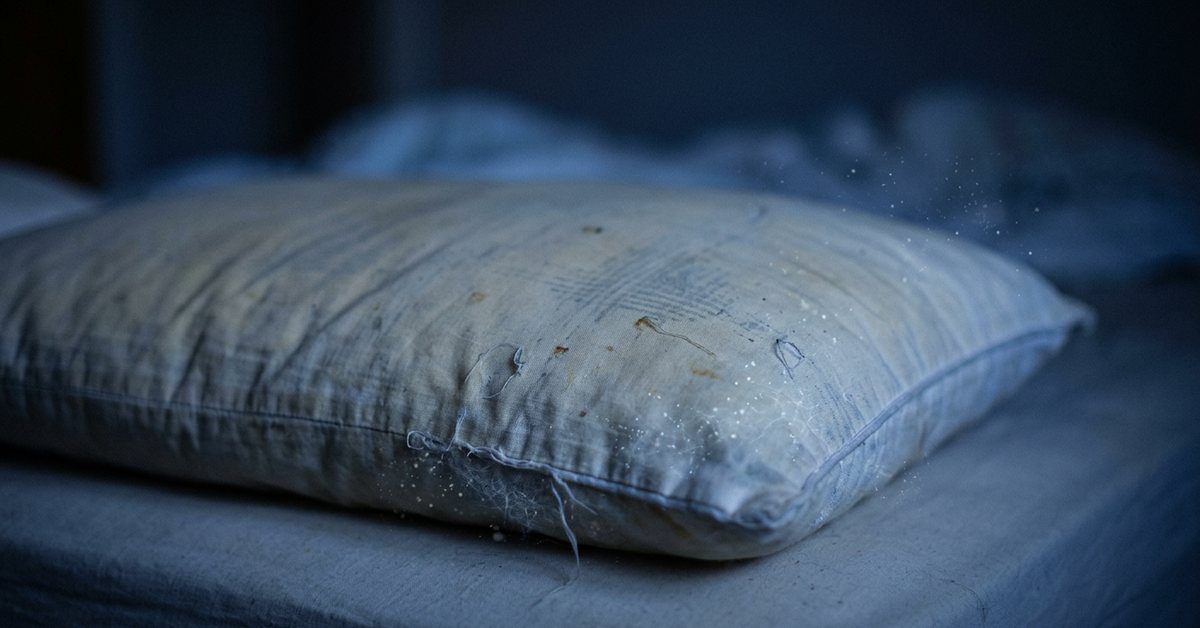
The Hidden Lifecycle of Bedding Hygiene
Every night, the human body sheds millions of skin cells and releases significant amounts of moisture through sweat and breath. A pillow acts like a structural sponge, absorbing these biological outputs over months and years. While the surface might appear clean after a pillowcase wash, the internal material becomes a fertile breeding ground for microscopic life. This accumulation is not merely an aesthetic concern; it creates a complex micro-environment that can actively interfere with your ability to initiate and maintain sleep.
As a pillow ages, its chemical and physical composition changes. Polyurethane foams can begin to off-gas or crumble, while natural fills like down can trap increasing amounts of organic debris. This debris serves as the primary food source for Dermatophagoides, commonly known as house dust mites. The presence of these organisms and their waste products is a leading cause of perennial allergic rhinitis, a condition that many sleepers mistake for a simple head cold or general fatigue.
Biological Mechanisms and Sleep Disruption
The impact of an old pillow on sleep is largely mediated through the body's histamine response and thermoregulation. When you inhale allergens from an old pillow, your immune system releases histamines. In the brain, histamine acts as a powerful wake-promoting neurotransmitter. Elevated histamine levels can interfere with the transition from light sleep to deep NREM sleep, effectively keeping your brain in a state of high alert. This prevents the natural drop in cortisol levels required for a peaceful night.
Furthermore, an old, compacted pillow loses its ability to circulate air, which is essential for regulating core body temperature. For the body to initiate sleep, the internal temperature must drop by about one degree Celsius. A pillow that traps heat against the head and neck can prevent this thermal shedding, leading to fragmented sleep architecture. When the head is too warm, the brain struggles to maintain the metabolic cooling necessary for the glymphatic system to clear waste products during the night.
What the Scientific Research Shows
Scientific investigation into bedding hygiene reveals startling data about the density of contaminants in average household pillows. Research has consistently shown that synthetic and feather pillows alike become reservoirs for fungal species. One landmark study identified thousands of fungal spores per gram of pillow material, with Aspergillus fumigatus being particularly prevalent. This fungus is known to exacerbate respiratory issues, even in individuals who do not have a diagnosed allergy.
Studies also highlight the relationship between pillow support and sleep quality. As materials degrade, the lack of cervical support leads to increased cortical arousal. Researchers have found that participants using pillows older than two years reported higher rates of neck pain and lower subjective sleep quality compared to those using newer, supportive models. The mechanical failure of the pillow directly correlates with increased tossing and turning, which interrupts the natural progression of sleep cycles.
The Impact on Respiratory Health
The proximity of your nose and mouth to the pillow means you are breathing in the internal contents of the bedding for approximately one third of your life. For those with sensitive airways, the microbial load of an old pillow can cause sub-clinical inflammation of the nasal passages. This inflammation increases airway resistance, making it harder to breathe deeply. In some cases, this can contribute to snoring or mild sleep-disordered breathing, both of which are enemies of deep sleep.
Long-term exposure to these particulates can also sensitise the immune system. Even if you did not start life with allergies, the constant nocturnal exposure to dust mite proteins and fungal enzymes can lead to the development of new sensitivities. This chronic immune activation uses significant metabolic energy, often leaving individuals feeling unrefreshed even after a full eight hours of shut-eye.
Physical Support and Spinal Alignment
Beyond the bacterial concerns, the structural integrity of a pillow is vital for neurological rest. The primary job of a pillow is to keep the head, neck, and spine in a neutral alignment. When a pillow becomes old, the internal structures collapse, and it can no longer provide the necessary resistance against the weight of the head. This leads to muscle strain in the trapezius and levator scapulae muscles.
When the muscles of the neck cannot fully relax, the body stays in a state of physical tension that is incompatible with deep relaxation. This tension can lead to tension headaches upon waking and can prevent the transition into REM sleep, where muscle atonia usually occurs. If your body is subconsciously trying to adjust your posture all night to find comfort, you are spending less time in the restorative phases of the sleep cycle.
Practical Steps for Better Bedding Hygiene
If you suspect your pillow is past its prime, there are several steps you can take to improve your sleep environment. The most effective action is to implement a strict replacement schedule. Most sleep experts and hygienists recommend replacing polyester and down-alternative pillows every 12 to 18 months. High-quality memory foam or latex pillows may last up to three years, but they should still be evaluated regularly for signs of yellowing or loss of shape.
In the meantime, using a dedicated allergen-proof pillow protector can create a physical barrier between you and the internal contents of the pillow. These covers feature a weave so tight that dust mites and their waste cannot pass through. Additionally, washing your pillowcases in water that is at least 60 degrees Celsius once a week will kill most surface bacteria and mites. However, remember that washing the pillow itself can sometimes accelerate the breakdown of the internal materials, so check the manufacturer instructions carefully.
The 'Fold Test' and When to Let Go
A simple way to test the health of your pillow is the fold test. For a natural fill pillow, fold it in half and see if it springs back to its original shape. If it stays folded, the fibres have broken down and are no longer providing support. For synthetic pillows, if there are visible lumps or permanent indentations, the internal structure is compromised. A pillow that has turned significantly yellow is also a clear sign of accumulated sweat and skin oils that have oxidised over time.
Investing in your bedding is an investment in your cognitive health. While it may seem wasteful to replace a pillow that still feels 'okay,' the invisible accumulation of bacteria and the loss of microscopic support are happening regardless of how it feels to the touch. Prioritising a clean, supportive sleep surface is one of the simplest environmental changes you can make to improve your overall sleep hygiene and daily energy levels.
A Note on Persistent Insomnia
While improving your pillow and bedding hygiene can significantly enhance your sleep quality, it is important to recognise when environmental changes are not enough. Sleep is a complex physiological process influenced by many factors including lifestyle, underlying health conditions, and psychological stress. A new pillow can solve physical discomfort and allergic reactions, but it may not address chronic sleep disorders.
If you find that you still cannot sleep despite having a clean, supportive, and cool environment, there may be other factors at play. Persistent insomnia that lasts for more than a few weeks should be discussed with a qualified health professional. Please see a clinician for persistent insomnia to rule out underlying medical issues or to discuss professional sleep therapy options.
What to try tonight
- 01Perform the fold test tonight to check if your pillow still offers structural support.
- 02Wash all pillowcases in hot water above 60 degrees Celsius to eliminate dust mites.
- 03Purchase an allergen-proof pillow protector to extend the life of your new bedding.
- 04Mark your calendar to replace synthetic pillows every 18 months regardless of appearance.
Research and references
- 1. Woodcock et al. (2006). Fungal contamination of bedding. Allergy.
- 2. Jeon et al. (2014). The effect of pillow height on muscle fatigue and head-neck posture. Journal of Physical Therapy Science.
- 3. Siebers et al. (2004). Dust mite allergen and fungi in pillows. British Journal of Dermatology.
This page is general information, not medical advice. If sleeplessness persists for more than a few weeks, please speak with a doctor or a sleep clinician.