How Pets in the Bedroom Impact Your Sleep Quality and Allergies
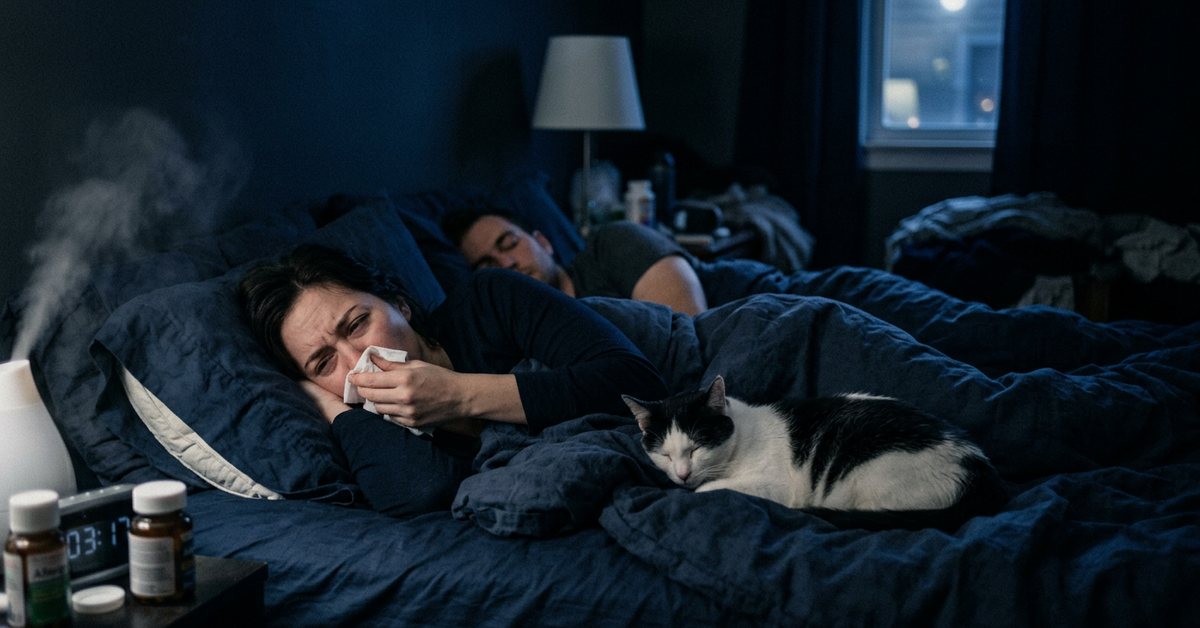
You likely consider your dog or cat a member of the family, and the comfort of their presence can feel like a natural sleep aid. However, sharing your sleeping quarters with a pet introduces a complex set of biological disruptions that could be the hidden cause of your morning fatigue. Beyond the obvious physical movements and noise, your pet acts as a continuous source of environmental allergens, such as dander and pollen trapped in their fur. When you inhale these microscopic particles during the night, your body initiates an immune response, releasing histamine that leads to nasal congestion and airway inflammation. This physiological shift significantly alters your sleep architecture, preventing you from reaching the restorative stages of deep sleep. Even if you do not feel itchy or sneezy, the low-level inflammatory process keeps your sympathetic nervous system on high alert. In this article, we explore how the presence of pets affects your core body temperature and respiratory health, and why your loyal companion might be the reason you are struggling to stay asleep. By understanding the trade-off between emotional comfort and physical rest, you can make informed decisions to reclaim your nighttime vitality.
The Emotional Comfort vs Biological Cost
For many, the routine of a pet jumping onto the bed signals the end of the day and a sense of security. The oxytocin release associated with petting an animal can indeed lower stress levels and help you relax. However, sleep scientists make a distinction between the subjective feeling of comfort and the objective quality of rest measured by polysomnography. While you might feel you sleep better with a companion, your brain may be struggling to navigate through the necessary sleep stages due to subtle environmental interruptions.
The primary issue is that dogs and cats have polyphasic sleep patterns, meaning they wake multiple times throughout the night. Unlike the monophasic human sleep cycle, which ideally lasts seven to nine hours, pets move, scratch, and readjust their positions frequently. Each time your pet shifts, it creates a micro-arousal in your own brain. These are brief awakenings that you may not remember in the morning, but they effectively reset your progress toward deep, slow-wave sleep, leaving you feeling unrefreshed despite a full night in bed.
The Histamine Response and Respiratory Disturbance
The most significant biological mechanism at play involves the respiratory system and the release of histamine. Pet dander consists of microscopic flecks of skin shed by cats, dogs, and other animals with fur or feathers. These particles are incredibly light and can remain airborne for long periods, settling directly into your bedding and pillows. When you breathe these in, your immune system may perceive them as a threat, triggering the release of histamine from mast cells.
Histamine is a neurotransmitter that promotes wakefulness in the brain. This is why many allergy medications are antihistamines that cause drowsiness as a side effect. When your body releases histamine in response to pet dander, it creates a state of internal alertness. Furthermore, the resulting inflammation causes the tissues in your nasal passages to swell, increasing airway resistance. This can lead to mouth breathing, snoring, or even mild obstructive sleep apnoea symptoms, all of which fragment sleep and reduce blood oxygenation levels.
Temperature Regulation and Thermodeviation
To initiate and maintain deep sleep, the human body must drop its core temperature by about one to two degrees Celsius. This thermoregulation process is vital for the transition into the deeper stages of the sleep cycle. When a large, warm-blooded animal lies close to you or under the covers, they act as a biological heater. This localized increase in temperature can prevent your body from shedding heat efficiently, particularly during the early hours of the morning when your core temperature should be at its lowest.
When the environment is too warm due to pet body heat, your sleep becomes shallower. You may find yourself tossing and turning or waking up sweating. This heat-induced wakefulness is often misinterpreted as general insomnia, when it is actually a physiological response to an inability to thermoregulate. Maintaining a cool bedroom environment is a cornerstone of sleep hygiene that is frequently compromised by the presence of pets on the bed.
What the Scientific Research Shows
Research into the impact of pets on sleep has grown significantly over the last decade. A landmark study published in the Mayo Clinic Proceedings examined how the presence of a dog in the bedroom affects sleep efficiency. The researchers found that while having a dog in the room did not significantly impair sleep, having the dog on the bed itself led to lower sleep efficiency scores. This suggests that proximity is the defining factor in how much a pet disrupts the human sleep cycle.
Another area of study focuses on the microbial and allergenic load pets bring into the sleeping environment. Research published in the journal Sleep Health indicates that individuals who share a bed with their pets report higher rates of sleep dissatisfaction and are more likely to experience symptoms of insomnia. The data suggest that even if the owner feels a strong emotional bond, the physical presence of the animal serves as a consistent source of environmental stimuli that the human brain cannot fully ignore during the night.
Sleep Architecture and Micro-Arousals
Sleep architecture refers to the structural organization of your sleep stages, including Light, Deep, and REM sleep. For sleep to be restorative, you need to complete several full cycles of these stages. Pets interfere with this architecture through micro-arousals caused by noise and movement. A dog barking at a distant sound or a cat jumping onto the nightstand triggers a spike in cortisol, the body's primary stress hormone, which is the biological opposite of melatonin, the sleep-promoting hormone.
When cortisol levels rise during the night, it pushes you out of deep sleep and back into a lighter stage. You might not fully wake up, but the quality of that sleep stage is compromised. Over time, chronic sleep fragmentation leads to cognitive decline, mood disturbances, and a weakened immune system. By keeping pets off the bed, you minimize the chance of these cortisol spikes and allow your brain to follow its natural, uninterrupted rhythm.
Practical Strategies for Pet Owners
If you are unwilling to move your pet to a different room, there are several steps you can take to mitigate the sleep-disturbing effects. The first step is to establish a dedicated pet bed on the floor. This provides the pet with their own space and keeps their body heat and the majority of their dander away from your pillows. It is also essential to use high-quality HEPA air purifiers in the bedroom to capture airborne dander and allergens before they enter your respiratory system.
Wash your bedding at least once a week in hot water to remove accumulated allergens and hair. Furthermore, grooming your pet outside the bedroom can significantly reduce the amount of loose fur and dander they bring into the sleeping space. If your sleep remains broken, consider a trial period of two weeks where the pet sleeps in a separate room. Many people find that their daytime energy levels improve so significantly that they decide to make the change permanent, finding other ways to bond with their pets during waking hours.
Consulting a Professional
While lifestyle changes can solve many sleep issues, persistent insomnia can sometimes be a sign of an underlying medical condition. If you have removed pets from your sleeping area and followed strict sleep hygiene protocols but still find yourself unable to rest, it is important to speak with a healthcare provider. They can help rule out conditions such as sleep apnoea, chronic anxiety, or primary insomnia that may require clinical intervention.
Understanding that your pet might be a contributing factor is the first step toward better health. Sleep is a non-negotiable biological requirement, and protecting your environment from allergens and physical disturbances is an act of self-care. Balance your love for your animals with your need for deep, restorative rest to ensure you can be the best version of yourself for your family and your pets alike.
What to try tonight
- 01Move pet beds to the floor to reduce physical disturbance and heat transfer.
- 02Install a HEPA air purifier in the bedroom to filter out pet dander and allergens.
- 03Wash all bedding weekly at 60 degrees Celsius to eliminate accumulated proteins.
- 04Groom your pet daily outside of the bedroom to minimize shedding in the sleep area.
- 05Trial a two-week period with the pet in another room to assess your baseline sleep quality.
Research and references
- 1. Patel et al. (2017). The Effect of Dogs on Human Sleep in the Home Sleep Environment. Mayo Clinic Proceedings.
- 2. Smith et al. (2018). The Influence of Companion Animals on Sleep Outcomes. Sleep Health.
- 3. Krahn et al. (2015). Are Pets in the Bedroom a Problem? Mayo Clinic Sleep Disorders Center Survey.
This page is general information, not medical advice. If sleeplessness persists for more than a few weeks, please speak with a doctor or a sleep clinician.