How Gut Bacteria and Probiotics Can Cause Vivid Dreams
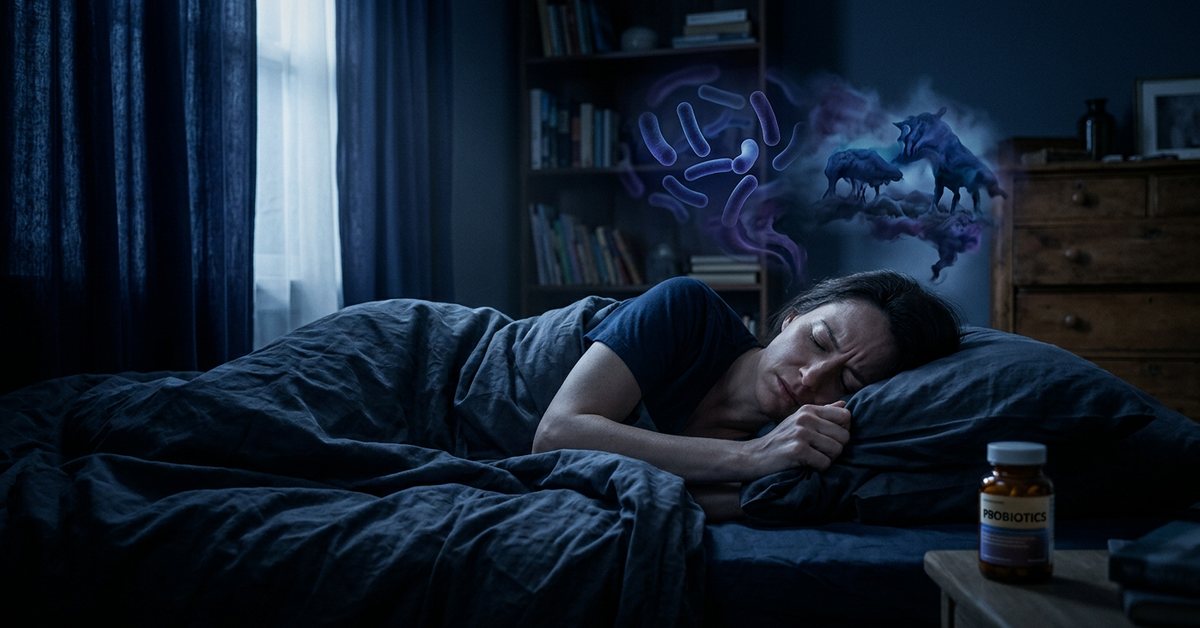
Have you noticed that your dreams have become strangely intense or even disturbing since you started taking a new probiotic supplement? You are not imagining it. There is a profound connection between the trillions of bacteria living in your digestive tract and the way your brain processes information during the night. While we often think of the gut only in terms of digestion, it is actually a major manufacturing hub for neurochemicals that dictate your sleep architecture. When you introduce new bacterial strains, you are essentially altering the chemical signals sent to your brain via the vagus nerve. This can lead to a temporary surge in neurotransmitters like serotonin and dopamine, which are critical for the Rapid Eye Movement stage of sleep. If you find yourself waking up exhausted from a night of cinematic nightmares, it may be due to this sudden shift in your internal ecosystem. Understanding the gut-brain axis is the first step to reclaiming a peaceful night of rest. In this article, we explore how microbial shifts impact your REM cycles and why a healthy gut sometimes comes with a temporary side effect of vivid, unsettling dreams as your body adjusts to its new bacterial balance.
The silent conversation between gut and brain
For a long time, the scientific community viewed the digestive system and the brain as two distinct entities with very little overlap. However, recent research into the gut-brain axis has revealed a complex, two-way communication system that never sleeps. Your gut is home to the enteric nervous system, often called the second brain, which contains hundreds of millions of neurons. These neurons communicate with the brain in your head through the vagus nerve, sending constant updates about the state of your microbiome.
When you consume probiotics, you are introducing live beneficial bacteria into this delicate environment. These microorganisms do not just sit there; they actively produce metabolites and signal molecules that can travel to the brain. This influence extends into your sleep cycles, particularly affecting how you transition between light sleep and the deep, dream-filled stages. If the balance of these microbes shifts rapidly, the messages sent to your brain can become louder or more frequent, leading to the heightened mental activity we perceive as vivid dreaming.
Neurotransmitters and the mechanics of REM
The biological mechanism behind probiotic-induced nightmares often involves the production of neurotransmitters like serotonin and gamma-aminobutyric acid, known as GABA. Interestingly, about 95 percent of the body's serotonin is produced in the gut. Serotonin is a precursor to melatonin, the hormone that regulates your sleep-wake cycle, but it also plays a critical role in modulating REM sleep. When probiotic strains such as Lactobacillus or Bifidobacterium flourish, they can cause a spike in these neurochemicals.
High levels of serotonin can actually suppress REM sleep initially, but as the body processes these levels, it can lead to a phenomenon known as REM rebound. During this rebound, the brain spends a disproportionate amount of time in the dreaming stage to make up for the suppression. This results in dreams that feel exceptionally long, detailed, and occasionally frightening. Furthermore, the gut microbiome influences the production of histamine, a chemical that keeps the brain alert; an imbalance here can lead to fragmented sleep, making it easier to remember the intense dreams that occur just before waking.
What the scientific research says
Studies have increasingly focused on how specific bacterial strains alter sleep architecture. Research has shown that the microbiome can influence the hypothalamic-pituitary-adrenal axis, which controls our stress response and cortisol levels. If a probiotic supplement causes a minor inflammatory response as the gut adjusts, cortisol levels may rise slightly at night, leading to lighter sleep and more vivid dream recall. Scientists have observed that germ-free mice exhibit significantly different sleep patterns compared to those with healthy microbiomes, suggesting that bacteria are essential for normal sleep regulation.
A key area of study is the role of short-chain fatty acids produced by bacteria during the fermentation of fibre. These acids have been shown to have neuroprotective effects but can also cross the blood-brain barrier. When these levels fluctuate due to a new probiotic regimen, the brain's nocturnal environment changes. While most people experience improved sleep quality over time, the initial transition period is frequently marked by reports of strange, cinematic, or hyper-realistic dreams as the brain recalibrates its chemical expectations.
The role of the vagus nerve in nocturnal distress
The vagus nerve acts as a superhighway for information between the gut and the brain. Probiotics can stimulate the vagal afferent fibres, which then transmit signals to the nucleus tractus solitarius in the brain. This area of the brain has connections to the limbic system, which is responsible for processing emotions and fear. If the signals coming from the gut are intense due to a rapid change in microbial populations, the emotional centers of the brain may become hyperactive during sleep.
This hyperactivity in the limbic system is what turns a regular dream into a vivid nightmare. Because the brain is trying to make sense of the new physiological signals it is receiving from the gut, it incorporates these 'data points' into the narrative of your dreams. If you are also experiencing mild digestive discomfort or gas from the new probiotics, these physical sensations can be translated by the sleeping brain into stressful or high-stakes dream scenarios, further contributing to the vividness of the experience.
Why some people are more sensitive than others
Not everyone who takes a probiotic will experience nightmares. Individual sensitivity often depends on the baseline state of your microbiome and your 'gut-brain' sensitivity. Those with conditions like Irritable Bowel Syndrome or small intestinal bacterial overgrowth may have a more reactive enteric nervous system. For these individuals, the introduction of even a high-quality probiotic can feel like a significant shock to the system, triggering a stronger neurological response.
Dietary factors also play a role. If you are taking probiotics alongside a high-fibre diet, the fermentation process is more robust, leading to a higher production of gases and metabolites. This increased activity in the gut can keep the brain in a more vigilant state during the night. Furthermore, genetic variations in how we metabolise neurotransmitters like dopamine and serotonin can dictate whether a microbial shift leads to better sleep or a week of disrupted, intense dreaming.
The adjustment period and the Die-Off effect
In some cases, vivid dreams are a result of what is known as a Herxheimer-like reaction or a 'die-off' effect. When beneficial bacteria are introduced, they may begin to crowd out pathogenic bacteria or yeast. As these harmful organisms die, they can release endotoxins into the system. The body's immune response to these toxins can include temporary systemic inflammation, which is known to disrupt sleep and increase the likelihood of nightmares.
This phase is usually temporary, lasting anywhere from a few days to two weeks. As the microbiome stabilises and the inflammatory response subsides, the nightmares typically fade, replaced by the deeper and more restorative sleep that probiotics are intended to provide. However, if the nightmares persist beyond this window, it may suggest that the specific strain or dosage is not the right fit for your unique internal chemistry.
What to do instead of stopping immediately
If your probiotic is causing distressing dreams, you do not necessarily have to abandon it. The most effective strategy is often to 'low and slow'. Instead of taking a full dose, try reducing it to a quarter or a half dose to allow your gut-brain axis time to habituate to the new microbial presence. This reduces the sudden surge of neurotransmitters and gives your enteric nervous system a chance to adjust without triggering a REM rebound effect.
Timing is also crucial. If you take your probiotic in the evening, the peak of bacterial activity and metabolite production might coincide with your most intense REM cycles. Moving your dose to the morning can allow the bulk of the microbial signaling to occur while you are awake. Additionally, ensuring you stay hydrated and consume enough electrolytes can help your body process any metabolic byproducts more efficiently, potentially smoothing out the neurological impact on your sleep.
Conclusion and seeking professional guidance
The connection between our gut health and our dream life is a fascinating testament to how integrated our body systems truly are. While vivid nightmares can be unsettling, they are often just a sign of your body's complex response to change. By understanding the underlying mechanisms of the gut-brain axis and neurotransmitter production, you can navigate these side effects with less anxiety. Remember that your microbiome is as unique as a fingerprint, and what works for one person may require adjustment for another.
If you suffer from persistent insomnia or if these nightmares continue to disrupt your quality of life for more than a few weeks, it is important to consult a healthcare professional. Persistent sleep disturbances can have a variety of underlying causes, and a clinician can help you determine if your symptoms are related to your supplement regimen or another health issue. Always speak to a doctor before making significant changes to your diet or starting new high-potency supplements.
What to try tonight
- 01Reduce your probiotic dosage to a half or quarter dose to allow your nervous system to adjust slowly.
- 02Switch the timing of your supplement to the morning to avoid peak microbial activity during REM sleep.
- 03Increase your water intake to help your system process the metabolites produced by new gut bacteria.
- 04Keep a sleep and food diary to see if specific probiotic strains correlate with your most vivid dreams.
- 05Practice calming pre-sleep rituals like deep breathing to lower cortisol levels before bed.
Research and references
- 1. Bagga et al. (2018). Influence of 4-week multi-strain probiotic administration on resting-state functional connectivity. Neurogastroenterology & Motility.
- 2. Cryan et al. (2019). The Microbiota-Gut-Brain Axis. Physiological Reviews.
- 3. Ogawa et al. (2016). Effects of Bifidobacterium bifidum G9-1 on sleep quality and the gut microbiota. Beneficial Microbes.
- 4. Takada et al. (2016). Probiotic Lactobacillus gasseri CP2305 improves mood, objective sleep quality, and microbiome in stressed adults. Beneficial Microbes.
This page is general information, not medical advice. If sleeplessness persists for more than a few weeks, please speak with a doctor or a sleep clinician.