How Recreational Substances Disrupt Your Body’s Natural Sleep Architecture
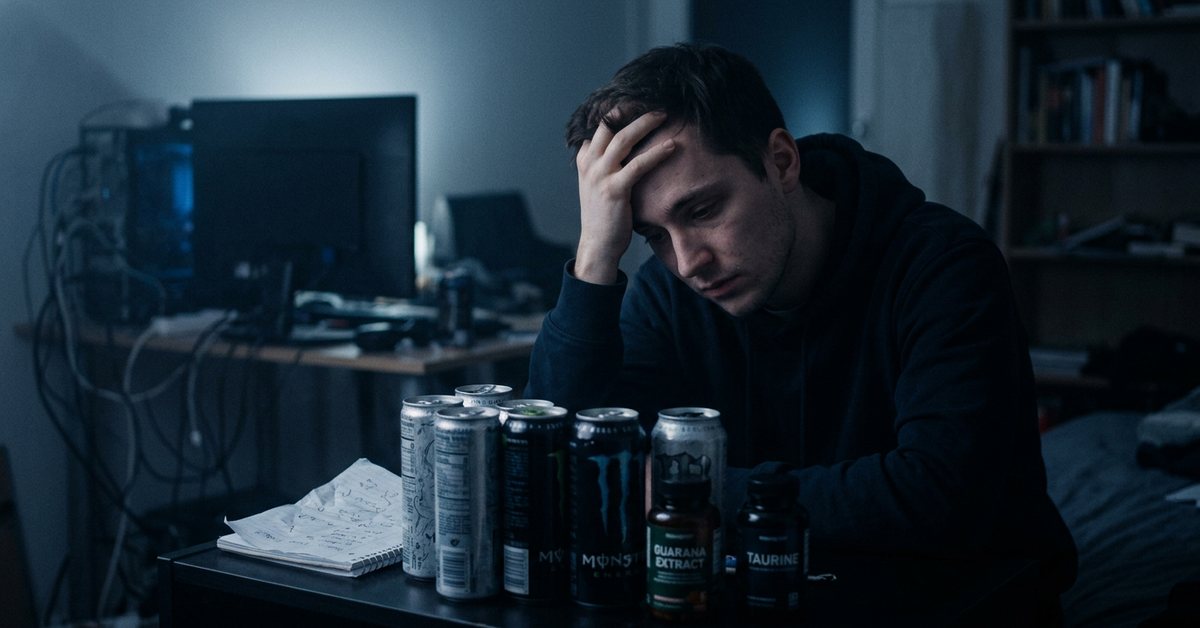
When you struggle to drift off or wake up feeling unrefreshed, you might look at your caffeine intake or screen time, but the impact of recreational substances is often the hidden culprit behind a night of tossing and turning. Whether it is the stimulating effects of cocaine and MDMA or the deceptive sedation of cannabis, these substances do more than just alter your mood; they fundamentally rewrite your internal sleep architecture. You might feel like a substance helps you switch off, yet the biological reality is that your brain remains in a state of high alert, unable to access the deep, restorative stages of sleep required for cognitive repair and physical recovery. By interfering with neurotransmitters like dopamine and adenosine, recreational drugs prevent your core body temperature from dropping and stop your nervous system from entering a true state of rest. Understanding the concrete mechanism of how these chemicals bypass your natural sleep triggers is the first step in reclaiming your nights. This article explores the physiological collapse of sleep quality that follows substance use and offers evidence-based insights into how you can begin to restore your body’s natural rhythms for long-term health and mental clarity.
The illusion of the nightcap and chemical sedation
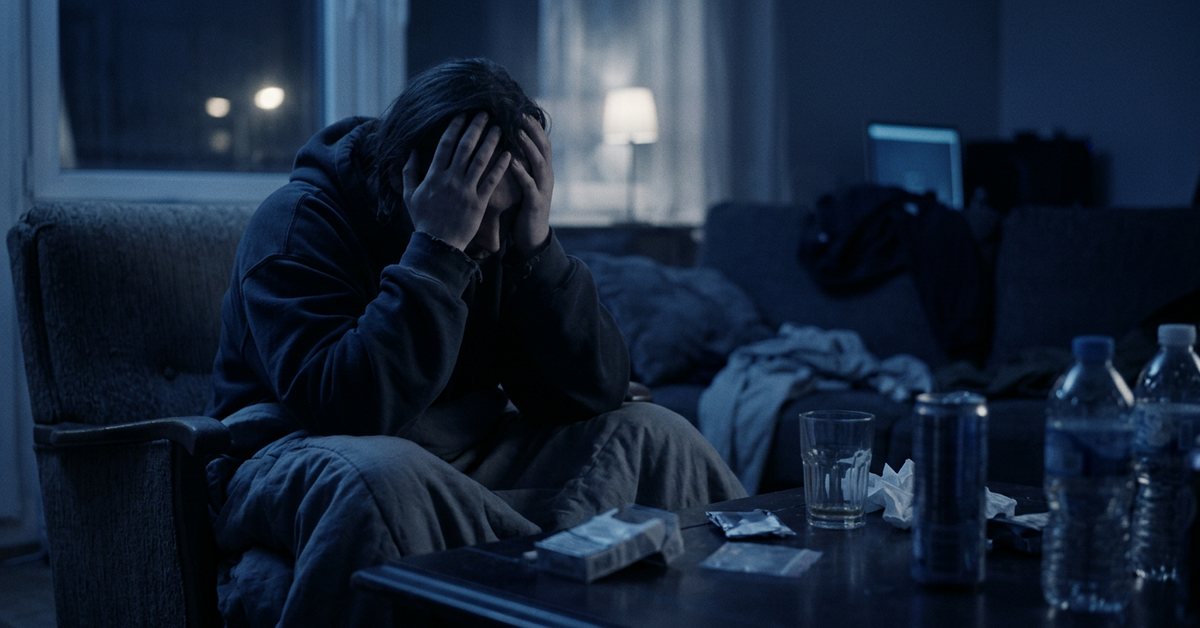
Many people turn to recreational substances under the guise of relaxation, believing that a chemical shortcut will help them escape the stresses of the day and facilitate a quicker transition to sleep. However, there is a profound biological difference between being sedated and actually sleeping. While substances like cannabis or alcohol may decrease the time it takes to fall unconscious, they act as a blunt instrument rather than a natural sedative. This chemical intervention often bypasses the complex, staged onset of natural sleep, leading to a fragmented night where the brain is unable to cycle through the necessary stages of rest.
The primary issue lies in how these substances interact with the central nervous system. Instead of the gentle decline in brain activity that characterizes natural sleep onset, recreational drugs often force the brain into a state of high-alpha wave activity or suppress essential rapid eye movement (REM) cycles. This results in a phenomenon known as 'sleep debt accumulation,' where the individual may be unconscious for eight hours but wakes up with the cognitive impairments of someone who has not slept at all. Over time, this reliance on external chemicals to initiate sleep can lead to a permanent shift in sleep latency and overall sleep efficiency.
The biological mechanism: Neurotransmitters and temperature
Natural sleep is governed by a delicate balance of homeostatic sleep pressure and circadian rhythms. Adenosine, a chemical that builds up in the brain throughout the day, acts as a natural signal for tiredness. Stimulants like cocaine or MDMA directly antagonise this process by flooding the synaptic cleft with dopamine and norepinephrine, effectively masking the signal of adenosine and keeping the brain in a state of hyper-arousal. Even after the initial 'high' has faded, the residual levels of these neurotransmitters prevent the brain from entering the slow-wave sleep necessary for physical restoration.
Furthermore, many recreational substances disrupt the body's thermoregulation. For restorative sleep to occur, the core body temperature must drop by approximately one degree Celsius. Stimulants and certain hallucinogens increase metabolic rate and cause vasoconstriction, keeping the core temperature elevated throughout the night. This heat retention prevents the release of melatonin, the hormone responsible for maintaining the sleep-wake cycle. When the body cannot cool down, the brain remains in a shallow state of sleep, frequently interrupted by micro-awakenings that the sleeper may not even remember the next morning.
The collapse of sleep architecture
Sleep is not a uniform state but a structured sequence of stages, including light sleep, deep slow-wave sleep (SWS), and REM sleep. Each stage serves a specific purpose, from tissue repair and growth hormone release in SWS to emotional processing and memory consolidation in REM. Recreational drugs are notorious for disrupting this architecture. For instance, chronic cannabis use has been shown to reduce the amount of time spent in REM sleep, while stimulants significantly curtail the duration of deep SWS. When these stages are compressed or skipped, the brain loses its ability to clear out metabolic waste via the glymphatic system.
The long-term consequence of this architectural collapse is a significant reduction in sleep continuity. As the substance wears off in the middle of the night, the body often experiences a 'rebound effect.' For those using depressants, this manifests as intense, vivid dreams and frequent waking as the brain overcompensates for suppressed REM. For stimulant users, the crash involves a state of exhaustion that lacks the restorative power of natural sleep, leaving the individual in a state of 'tired but wired' that persists for days after use.
What the scientific research shows
Research in the field of addiction medicine and somnology consistently highlights the detrimental impact of illicit substances on polysomnographic readings. Studies have demonstrated that even infrequent use of stimulants can lead to long-term changes in the way the brain processes sleep signals. Data suggests that the disruption to the circadian clock is not just temporary; repeated exposure to psychoactive chemicals can desensitize the receptors responsible for responding to natural sleep cues, making it increasingly difficult to achieve rest without chemical assistance.
One significant area of study involves the impact of MDMA on sleep-disordered breathing and overall sleep quality. Researchers have found that users often experience a higher prevalence of sleep apnea and significant reductions in sleep duration that persist long after the drug has left the system. Similarly, studies into cannabis indicate that while short-term use might aid sleep onset, long-term use leads to a tolerance that results in severe insomnia during periods of abstinence, creating a cycle of dependency that is difficult to break without professional intervention.
Blood sugar and cortisol: The metabolic fallout
The impact of recreational drugs extends beyond the brain and into the metabolic system. Stimulants trigger a significant release of cortisol, the body's primary stress hormone. High levels of cortisol are antithetical to sleep; they signal the liver to release glucose into the bloodstream to prepare for a 'fight or flight' response. This spike in blood sugar, followed by a subsequent crash, can wake a sleeper in the early hours of the morning as the body struggles to maintain homeostasis. This metabolic instability further prevents the transition into deep, restorative sleep stages.
This hormonal disruption creates a feedback loop. Lack of sleep increases cortisol levels the following day, which in turn makes the individual more likely to seek out substances to either boost their energy or help them 'come down.' Breaking this cycle requires addressing not just the substance use itself, but the underlying metabolic and hormonal imbalances that have been triggered. Restoring a healthy blood sugar balance and lowering systemic inflammation are crucial steps in returning the body to a state where natural sleep is possible.
What to do instead: Restoring the rhythm
If you have been using substances to manage your sleep or social life, the road back to restorative rest begins with patience and a commitment to biological consistency. The first step is to implement a strict 'caffeine and substance-free' window at least twelve hours before your intended sleep time. This allows the liver and brain to begin the process of clearing out residual chemicals. Replacing chemical sedation with a cooling ritual, such as a lukewarm bath or lowering the bedroom temperature, can help manually trigger the drop in core body temperature that substances often block.
Furthermore, focusing on light exposure is a powerful way to reset a hijacked circadian rhythm. Seeking natural sunlight within thirty minutes of waking helps to suppress lingering melatonin and set the timer for its release later that evening. In the evening, avoiding blue light and using dim, warm lighting can encourage the natural production of sleep hormones that have been suppressed by drug use. While the first few nights of 'clean' sleep may be difficult and fragmented, the brain is remarkably plastic and can eventually return to its natural architecture if given the right environmental cues.
Seeking long-term stability
Reclaiming your sleep is not an overnight process, especially after the nervous system has been conditioned by recreational substances. It is important to acknowledge that the brain needs time to recalibrate its neurotransmitter levels, particularly dopamine and adenosine. During this transition, focusing on magnesium-rich foods and staying hydrated can support the nervous system as it moves out of a state of chronic hyper-arousal. The goal is to move away from 'switching off' and toward 'slowing down,' allowing the body’s innate biological processes to take the lead once again.
If you find that your inability to sleep persists despite making these changes, or if you are struggling with substance dependence, it is essential to consult a healthcare professional. Persistent insomnia can be a symptom of underlying issues that require a supervised clinical approach. A clinician can provide a tailored plan to help you safely navigate withdrawal and restore your sleep health without further compromising your long-term well-being.
What to try tonight
- 01Establish a consistent wake time to anchor your circadian rhythm and reset adenosine levels.
- 02Avoid all stimulants and recreational substances at least 12 hours before your planned bedtime.
- 03Lower your bedroom temperature to 18 degrees Celsius to assist the body's natural cooling process.
- 04Expose your eyes to natural sunlight for 15 minutes every morning to regulate cortisol and melatonin.
- 05Practice a non-negotiable wind-down routine that excludes screens to encourage natural sleep onset.
- 06Consult a clinician if you experience persistent insomnia or need help managing substance use.
Research and references
- 1. Morgan et al. (2010). Impact of MDMA on sleep architecture and respiratory events. Journal of Psychopharmacology.
- 2. Bolla et al. (2008). Sleep disturbance in heavy marijuana users. Sleep Medicine.
- 3. Angarita et al. (2016). Sleep abnormalities associated with alcohol, cannabis, cocaine, and opiate use. Behavioral Neuroscience.
- 4. Schierenbeck et al. (2008). Effect of illicit recreational drugs upon sleep: Cocaine, ecstasy and marijuana. Sleep Medicine Reviews.
This page is general information, not medical advice. If sleeplessness persists for more than a few weeks, please speak with a doctor or a sleep clinician.