30 / Reason 30 of 40Screens & Light6 min read

How Excessive Bedroom Light Disrupts Your Natural Melatonin Production

Do you find yourself tossing and turning even though you feel exhausted? The culprit might be the very environment you rely on for rest. In the modern home, darkness is a rare commodity. From the glow of a smartphone charging on the nightstand to the streetlights bleeding through thin curtains, your bedroom may be flooded with light that signals your brain to stay awake. This article explores how even dim light exposure during the night suppresses the release of melatonin, the hormone responsible for telling your body it is time to sleep. When your eyes detect light, your internal clock, or circadian rhythm, is pushed out of sync, leading to fragmented sleep and morning grogginess. You will learn about the specific biological pathways involved, such as the role of the suprachiasmatic nucleus, and how artificial light mimics the sun to keep your systems in a state of high alert. By understanding the science of darkness, you can take control of your sleep hygiene and restore your natural cycles. We look at the latest research and provide practical, low-cost solutions to help you reclaim a pitch-black environment, ensuring your brain gets the chemical signal it needs to drift into a deep and restorative slumber.
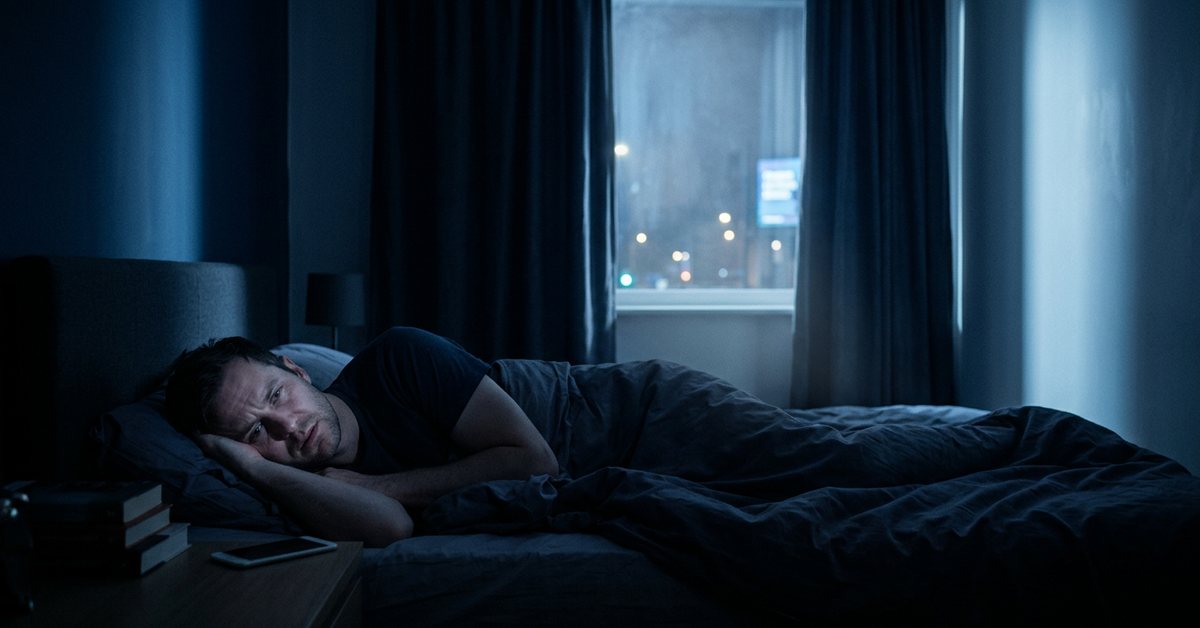
Too much light in your bedroom is blocking melatonin - photographed for the Why Can't I Sleep guide. Images and Photos created by www.why-cant-sleep.com
Too much light in your bedroom is blocking melatonin. Images and Photos created by www.why-cant-sleep.com
Share this photoEmailSMS

The Biological Blueprint of Darkness

Human biology is inextricably linked to the rising and setting of the sun. For millennia, the onset of darkness served as a powerful chemical trigger for our ancestors to seek shelter and rest. At the heart of this process is the pineal gland, a small endocrine gland in the brain that produces melatonin. Melatonin is often called the hormone of darkness because its production only ramps up when light levels drop. This hormone does not act as a sedative that knocks you out; rather, it serves as a biological pacer, signaling to every cell in your body that the night has begun.

When light hits the retina, specifically the photosensitive retinal ganglion cells, signals are sent to the suprachiasmatic nucleus (SCN) in the hypothalamus. The SCN acts as the body's master clock. During the day, light signals the SCN to inhibit melatonin production, keeping you alert. In a natural environment, as evening falls, the lack of blue-wavelength light allows the SCN to lift this inhibition. However, when your bedroom is filled with artificial light, this system is hijacked. The brain remains under the impression that the sun is still up, delaying the onset of sleep and shifting your entire circadian phase.

The Hormonal Cascade and Sleep Architecture

Light exposure does more than just stop melatonin; it influences a complex cascade of hormones and physiological markers. One of the most significant impacts is on cortisol, the body's primary stress hormone. Naturally, cortisol levels should be at their lowest point in the early hours of the night, slowly rising toward dawn to help you wake up. Artificial light exposure in the bedroom can cause an evening spike in cortisol, which increases heart rate and blood sugar, making the transition to deep sleep physically difficult.

Furthermore, light affects your core body temperature. A key part of falling asleep involves a drop in body temperature by about one degree Celsius. Melatonin helps facilitate this cooling process. When light blocks melatonin, your body remains too warm for optimal rest. This disruption extends to your sleep architecture, specifically reducing the time spent in Rapid Eye Movement (REM) and deep slow-wave sleep. Instead of moving through healthy cycles, your brain stays in lighter stages of sleep, which explains why you might wake up feeling unrefreshed despite being in bed for eight hours.

What the Scientific Research Shows

Recent clinical studies have highlighted that even very low levels of light can have measurable effects on our physiology. Research published in the journal PNAS demonstrated that individuals sleeping in a room with even moderate light levels showed increased heart rates and decreased insulin sensitivity the following morning. This suggests that the body remains in a state of sympathetic nervous system activation, or 'fight or flight' mode, when light is present, even if the person remains asleep. The brain is essentially monitoring the environment rather than fully disengaging for repair.

Another significant study focused on the specific impact of blue light, which is common in LED bulbs and electronic devices. Blue light has a shorter wavelength and is particularly effective at suppressing melatonin compared to warmer, redder tones. Even a small amount of blue light sneaking through the side of a window blind or from a digital clock can be enough to delay the circadian clock. Long-term studies have even linked chronic nocturnal light exposure to metabolic issues and mood disorders, underscoring that a dark room is a pillar of preventative health.

The Sneaky Culprits in Your Room

Many people believe their room is dark, but closer inspection often reveals numerous sources of light pollution. The most common offender is the smartphone. Even if it is face down, notification pings can cast a glow, and many people check their phones if they wake up in the night, delivering a concentrated dose of blue light directly to the retinas. Other sources include standby lights on televisions, the glowing numbers of an alarm clock, and air purifiers with bright LED indicators. These small dots of light may seem insignificant, but they are often positioned directly in the line of sight.

External light is the second major factor. Streetlights, neighboring security lights, and moonlight can penetrate standard curtains. This is particularly problematic in urban environments where 'sky glow' ensures the night is never truly dark. These photons can pass through your eyelids while you sleep. Because the skin and eyes are highly sensitive to light even during slumber, your brain continues to process this information, preventing the deep physiological dive into restorative rest that is necessary for cognitive function.

Too much light in your bedroom is blocking melatonin - photographed for the Why Can't I Sleep guide. Images and Photos created by www.why-cant-sleep.com
The Sneaky Culprits in Your Room, illustrated. Images and Photos created by www.why-cant-sleep.com
Share this photoEmailSMS

Modern Technology and Circadian Mismatch

We are currently living through a period of profound circadian mismatch. For the first time in human history, we can extend the day indefinitely with the flick of a switch. While this has benefited productivity, it has come at a cost to our sleep health. The widespread adoption of energy-efficient LED lighting has exacerbated the problem, as these bulbs often emit more blue-spectrum light than the older, warmer incandescent bulbs. This creates a perpetual state of twilight that keeps the body's histamine levels high and adenosine receptors under-utilised.

Adenosine is a chemical that builds up in the brain the longer we are awake, creating 'sleep pressure.' Under normal conditions, this pressure becomes irresistible by nightfall. However, the alerting effects of light can mask this sleep pressure. You might feel 'wired but tired,' where your body is exhausted but your brain feels alert and stimulated. This mismatch is a leading cause of sleep-onset insomnia, where the physiological drive to sleep is overridden by environmental signals of wakefulness.

Practical Steps to Achieve Total Darkness

Creating a sleep sanctuary requires a proactive approach to light management. The first step is to audit your room at night. Turn off all lights and wait two minutes for your eyes to adjust. Any light source you can see should be addressed. Use black electrical tape to cover LED status lights on electronics. Replace your digital alarm clock with a dimmable red-light version or a mechanical one. If light comes from under the door, a simple draft stopper can block it. These small adjustments can have a cumulative effect on your melatonin levels.

For windows, blackout curtains or honeycomb shades are the gold standard. They should be fitted as close to the window frame as possible to prevent light leaks at the edges. If you cannot change your window treatments, a high-quality, contoured sleep mask is a highly effective and portable alternative. It ensures that no matter how much light is in the room, your eyes perceive total darkness. Additionally, consider changing your evening lighting to warm-toned bulbs and dimming them two hours before you intend to sleep to prime the brain for the transition.

The Importance of Morning Light

While darkness at night is essential, it is only one half of the circadian equation. To ensure your body produces plenty of melatonin at night, you need strong light exposure in the morning. Getting bright, natural sunlight within thirty minutes of waking helps 'anchor' your circadian rhythm. This suppresses any remaining melatonin and sets a timer for its release approximately 14 to 16 hours later. Think of it as a push-pull system: bright days lead to dark nights.

If you live in a climate with dark winters, a light therapy box can mimic the effects of the sun. The goal is to create a sharp contrast between the brightness of your day and the total darkness of your night. This contrast strengthens the signal to the suprachiasmatic nucleus, making your sleep-wake cycles more robust. By managing both ends of the light spectrum, you provide your body with the clear, unambiguous signals it needs to regulate its internal chemistry effectively.

What to try tonight

  • 01Cover all electronic LED standby lights with black electrical tape.
  • 02Install blackout curtains or use a contoured sleep mask to block external light.
  • 03Swap cool-toned bedroom bulbs for warm, amber-hued lighting.
  • 04Avoid using smartphones or tablets at least 60 minutes before bedtime.
  • 05Ensure your eyes see bright natural light shortly after waking each morning.
  • 06Keep your bedroom door closed or use a draft stopper to block hallway light.
See all sleep remedies

Research and references

  1. 1. Mason et al. (2022). Light exposure during sleep impairs cardiometabolic function. Proceedings of the National Academy of Sciences (PNAS).
  2. 2. Gooley et al. (2011). Exposure to Room Light before Bedtime Suppresses Melatonin Onset and Shortens Melatonin Duration in Humans. Journal of Clinical Endocrinology and Metabolism.
  3. 3. Chang et al. (2015). Evening use of light-emitting eReaders negatively affects sleep, circadian timing, and next-morning alertness. PNAS.
  4. 4. West et al. (2011). Blue light and its effect on human biology and sleep quality. Journal of Biological Rhythms.

This page is general information, not medical advice. If sleeplessness persists for more than a few weeks, please speak with a doctor or a sleep clinician.
Tonight's full feature, chosen at random

38 / Reason 38 of 40Habits & Routine6 min read

Why Vigorous Evening Workouts Might Be Keeping You Awake

You have likely heard the common advice that physical activity is a pillar of good sleep, yet you may find yourself staring at the ceiling for hours after a late night gym session or a high intensity interval training class. This paradox occurs because timing is just as critical as the activity itself when it comes to your internal biology. When you engage in high intensity exercise too close to your scheduled sleep time, you trigger a physiological cascade that directly opposes the body's natural wind down process. The primary mechanism at play involves your core body temperature and the sympathetic nervous system. While regular movement eventually promotes deeper rest by increasing adenosine levels, the immediate aftermath of a vigorous workout keeps your heart rate elevated and your internal thermostat high. This heat prevents the necessary drop in core temperature that signals to your brain it is time for sleep. By understanding how late night exertion affects your hormones and nervous system, you can adjust your routine to ensure your fitness goals do not come at the expense of your recovery. If you struggle with persistent insomnia, it is important to consult a clinician for personalised support.

High intensity exercise too close to bedtime - photographed for the Why Can't I Sleep guide. Images and Photos created by www.why-cant-sleep.com
High intensity exercise too close to bedtime. Images and Photos created by www.why-cant-sleep.com
Share this photoEmailSMS

The Paradox of Physical Activity and Rest

Physical exercise is globally recognised as one of the most effective non pharmacological interventions for improving sleep quality. Regular movement helps to regulate the circadian rhythm and builds up sleep pressure throughout the day. However, the benefits of exercise are not always immediate, and for many individuals, the specific timing of a workout can mean the difference between falling asleep instantly and tossing and turning until the early hours of the morning.

High intensity exercise involves activities that push your heart rate to 70 percent or more of its maximum capacity. While these sessions are excellent for cardiovascular health and metabolic function, they place the body under a significant amount of temporary stress. When this stress occurs within two to three hours of your bedtime, it can override the natural signals your brain sends to initiate the transition into sleep, leaving you feeling tired but wired.

The Biological Mechanism of Post Workout Alertness

To understand why late night sprints or heavy lifting sessions disrupt sleep, we must look at core body temperature. Naturally, your body temperature begins to drop in the evening, reaching its lowest point in the middle of the night. This decline is a critical trigger for the production of melatonin, the hormone that facilitates sleep. High intensity exercise causes a sharp spike in internal heat that can take several hours to dissipate, effectively blocking the thermal signal the brain requires to enter a sleep state.

Beyond temperature, vigorous activity stimulates the sympathetic nervous system, often called the fight or flight response. This leads to an increase in heart rate and the secretion of hormones like cortisol and adrenaline. While these are necessary for physical performance, they act as stimulants that keep the brain in a state of high arousal. Furthermore, while exercise eventually increases adenosine, the chemical responsible for sleep hunger, the immediate surge in stimulating neurochemicals can mask this need for rest in the short term.

How Late Workouts Alter Sleep Architecture

Sleep architecture refers to the cyclical pattern of sleep stages, including light sleep, deep sleep, and REM sleep. Research indicates that exercising too close to bedtime can significantly delay sleep onset latency, which is the time it takes to transition from full wakefulness to sleep. Even if you manage to fall asleep, the quality of that sleep may be compromised as the body continues to process the physiological aftermath of the workout.

Specifically, an elevated heart rate during the first few hours of the night can reduce the amount of time spent in deep, restorative slow wave sleep. This stage is crucial for physical repair and immune function. If the body is still busy bringing its core temperature down and metabolising stress hormones, it may spend more time in lighter stages of sleep, leading to a feeling of grogginess the following morning despite having spent enough hours in bed.

What the Scientific Research Indicates

Scientific literature has long debated the exact cutoff point for evening exercise. A comprehensive meta analysis published by Stutz et al. (2019) in Sports Medicine found that while evening exercise generally benefits sleep, high intensity training completed less than one hour before bedtime resulted in a significant decrease in sleep quality and a longer time to fall asleep. The researchers noted that the key factor was the recovery period allowed between the cessation of activity and the lights out time.

Further studies have focused on the hormonal impact of late night exertion. Thomas et al. (2020) demonstrated in the Journal of Clinical Sleep Medicine that vigorous late night activity can delay the surge of nocturnal melatonin. Another study by Yamanaka et al. (2015) in the American Journal of Physiology highlighted that physical load in the evening increases sympathetic nervous activity during the first half of the night, which directly correlates with higher heart rates during sleep and reduced recovery markers.

High intensity exercise too close to bedtime - photographed for the Why Can't I Sleep guide. Images and Photos created by www.why-cant-sleep.com
What the Scientific Research Indicates, illustrated. Images and Photos created by www.why-cant-sleep.com
Share this photoEmailSMS

Individual Variability and Sensitivity

It is important to note that not everyone reacts to evening exercise in the same way. Genetic factors, fitness levels, and chronotypes play a role in how quickly an individual can recover from a late session. Some people, often referred to as night owls, may find that their bodies handle evening exertion better than those who are naturally early risers. However, for the majority of the population, the physiological laws of thermoregulation remain a constant barrier to rest.

As we age, our circadian rhythms can become more sensitive to disruptions. What you were able to do in your twenties without consequence might become a major source of insomnia in your forties. If you find that you are consistently struggling to settle after a workout, your body is likely providing feedback that the current timing of your routine is incompatible with your biological need for nocturnal cooling and nervous system downregulation.

What to Do Instead for Better Rest

If your schedule only allows for evening movement, the most effective strategy is to shift the intensity downward. Low to moderate intensity activities, such as walking, gentle yoga, or light stretching, do not cause the same spike in core temperature or adrenaline. In fact, these activities can assist in the wind down process by promoting relaxation and helping to relieve the physical tension accumulated throughout the work day.

For those who cannot move their high intensity sessions to the morning or lunch hour, increasing the buffer zone is essential. Aim to finish vigorous training at least three hours before you plan to sleep. During this window, focus on active cooling strategies such as a lukewarm shower, which can help draw heat away from the core, and avoid blue light exposure which further suppresses melatonin. Shifting your heaviest training days to weekends or earlier time slots can also preserve your sleep quality during the work week.

Conclusion and Next Steps

Optimising your sleep does not mean you have to give up on your fitness goals, but it does require a strategic approach to timing. By respecting the body's need for a cooling period and a reduction in sympathetic nervous activity, you ensure that the hard work you put in at the gym is actually supported by the recovery that happens during rest. Sleep is the foundation upon which all physical gains are built, and protecting it is just as important as the workout itself.

If you have adjusted your exercise timing and still find that you cannot sleep, there may be other underlying factors at play. Persistent difficulty falling or staying asleep should be discussed with a healthcare professional. For more information on how daily habits influence your rest, continue exploring our guides on sleep hygiene and circadian health. If you experience chronic insomnia, please see a clinician for a formal assessment and guidance.

What to try tonight

  • 01Finish high intensity interval training at least three hours before your planned bedtime.
  • 02Switch to low intensity activities like restorative yoga or walking if exercising late in the evening.
  • 03Take a lukewarm shower after a late workout to assist the body in lowering its core temperature.
  • 04Prioritise a consistent wind down routine that excludes bright lights and stimulating media after evening exercise.
  • 05Monitor your heart rate and sleep quality using a diary to identify your personal threshold for evening exertion.
See all sleep remedies

Research and references

  1. 1. Stutz et al. (2019). Effects of Evening Exercise on Sleep in Healthy Participants: A Systematic Review and Meta-Analysis. Sports Medicine.
  2. 2. Thomas et al. (2020). The effect of exercise timing on sleep architecture and evening melatonin levels in healthy adults. Journal of Clinical Sleep Medicine.
  3. 3. Yamanaka et al. (2015). Physical exercise and its effect on sleep, the circadian clock, and the sympathetic nervous system. American Journal of Physiology.

This page is general information, not medical advice. If sleeplessness persists for more than a few weeks, please speak with a doctor or a sleep clinician.